Kampung Education: Active Learning Through Vernacular Spaces
台灣 / taiwan
陳明華 / Jovan Theophilus
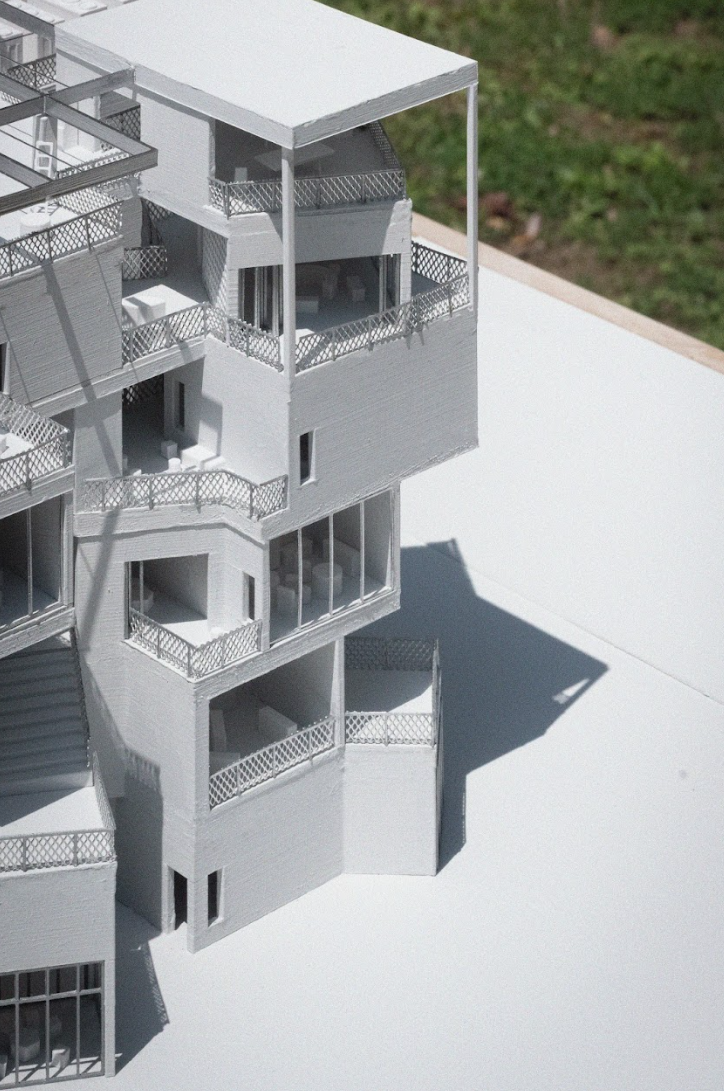
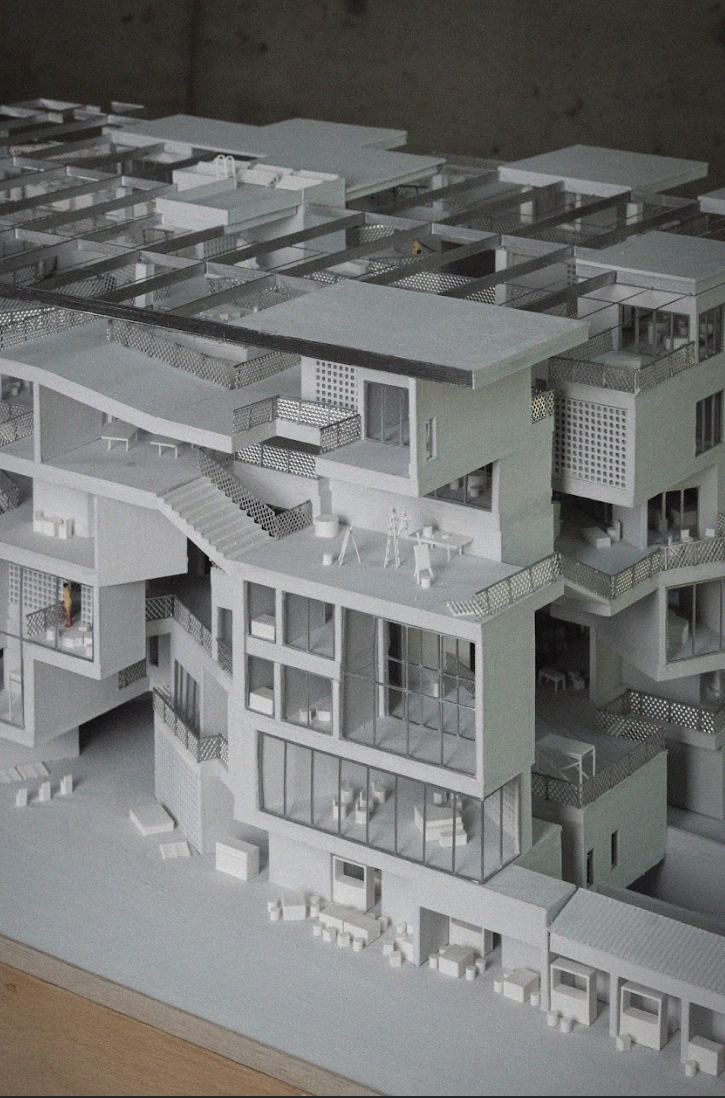
在一個 85% 未來職業尚未被想像的世界,教育必須超越被動與僵化,成為一種活生生、持續探索的實踐。本畢設取材自雅加達的甘榜——充滿韌性、即興且多層次互動的社區,重構為校園,化身「元學習」的場域,邀請協商、互動與自發性相遇。空間如有機體般流動、重疊,打破城市與教室、形式與非形式、師與生之間的界線。學習被編織進城市肌理,呼應甘榜的韌性與共生精神,為教育開創出一種開放、適應、與城市對話的未來願景。
–
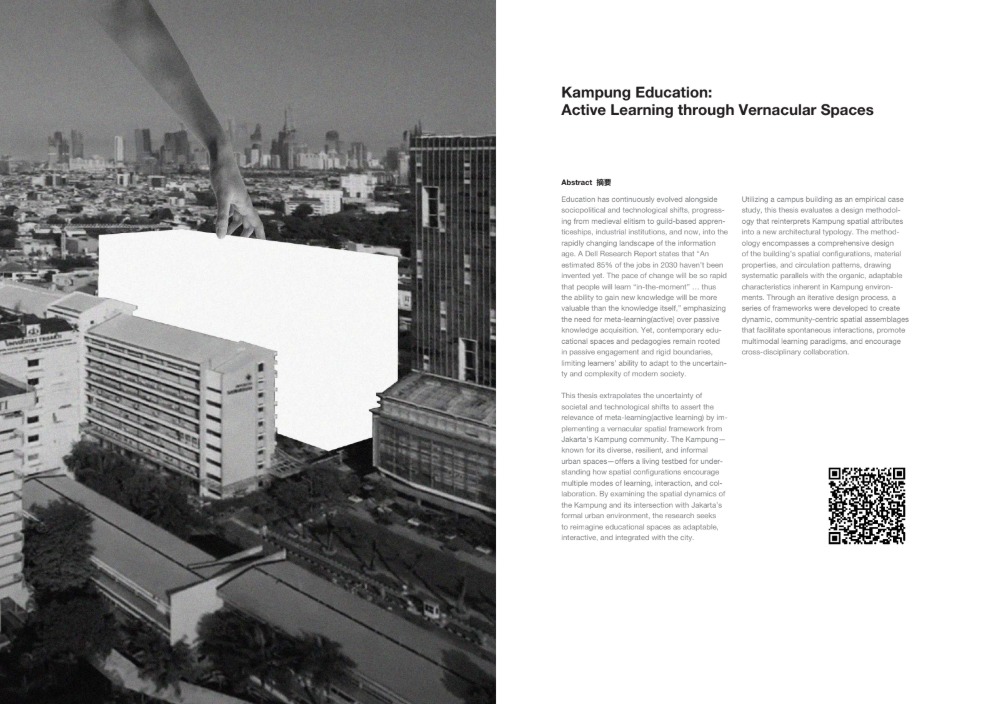
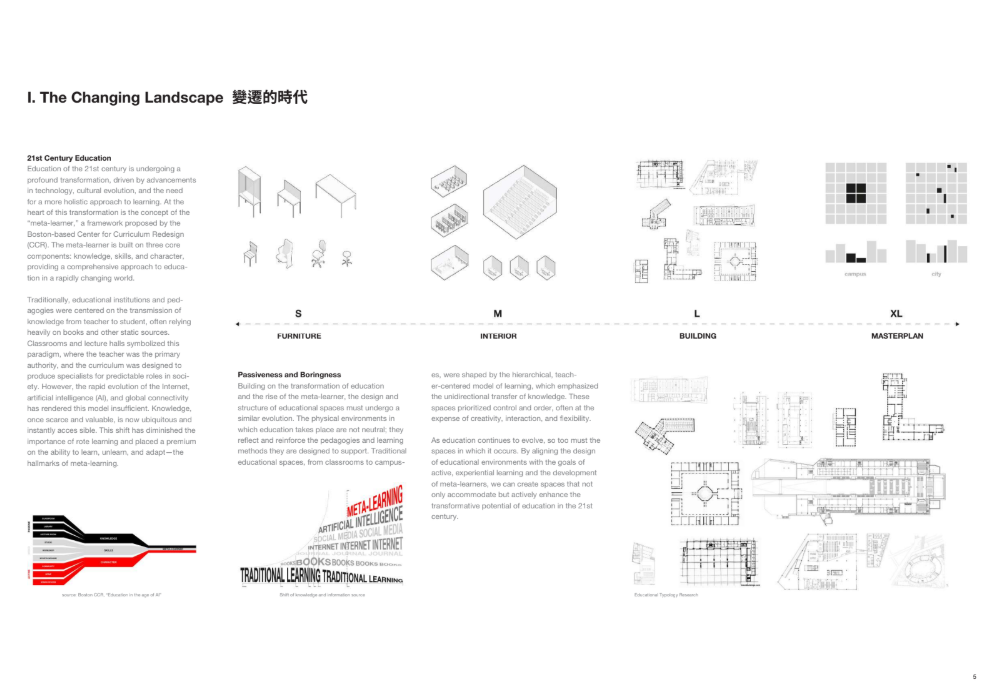
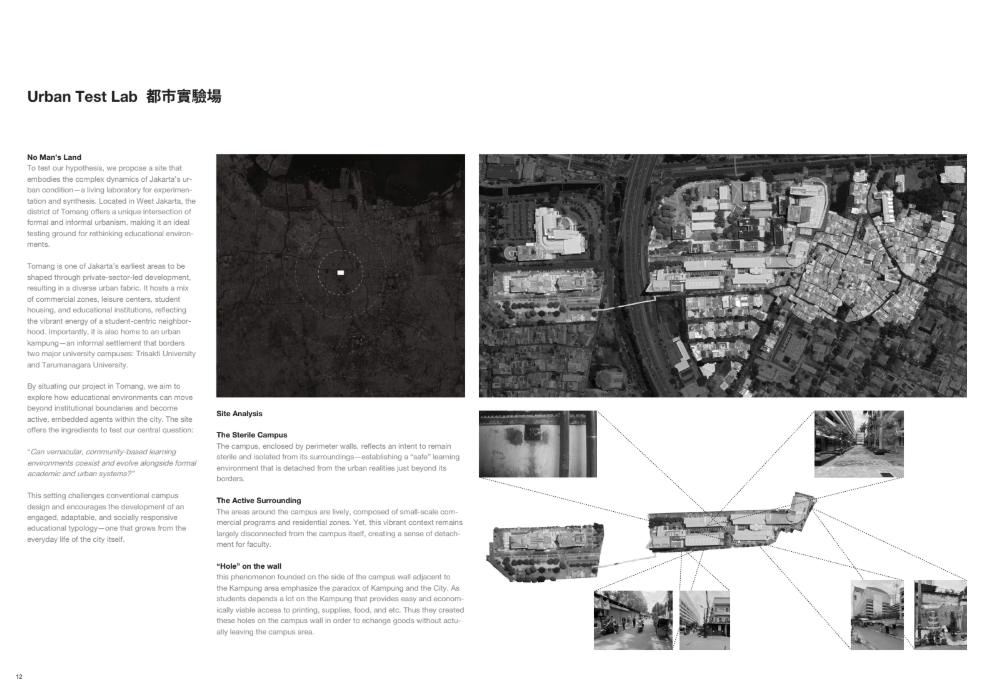
Education is rapidly evolving in tandem with technological and societal shifts, necessitating new approaches that prioritize resilience and contextualisation of knowledge over passive knowledge acquisition. As highlighted in a Dell report, 85% of the jobs in 2030 do not yet exist, underscoring the urgency for educational spaces that cultivate resilience and continuous learning.
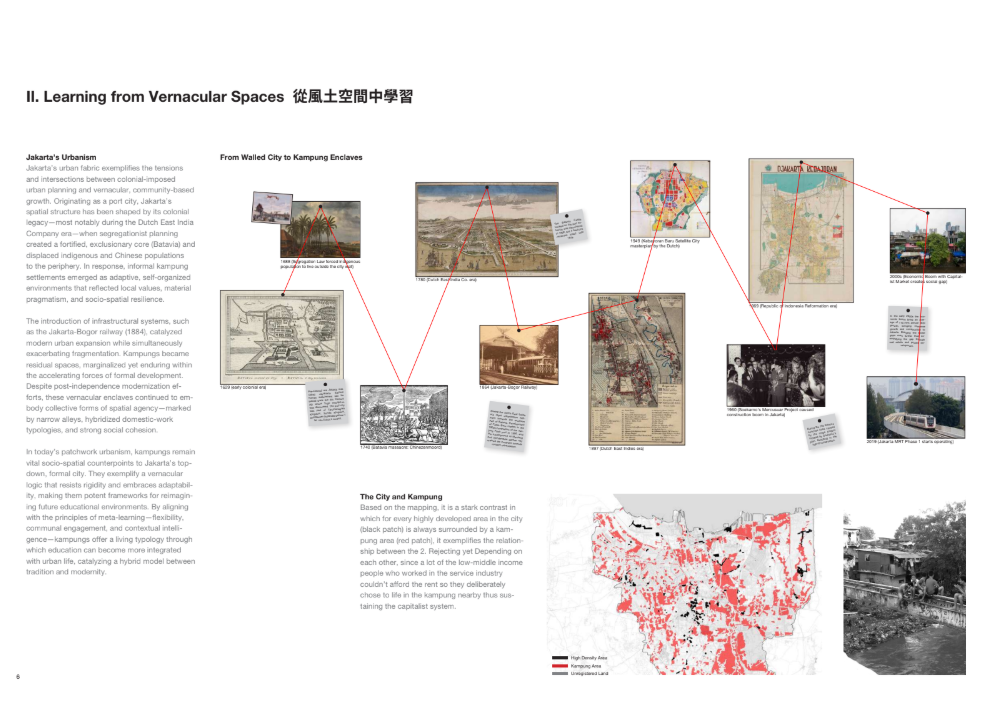
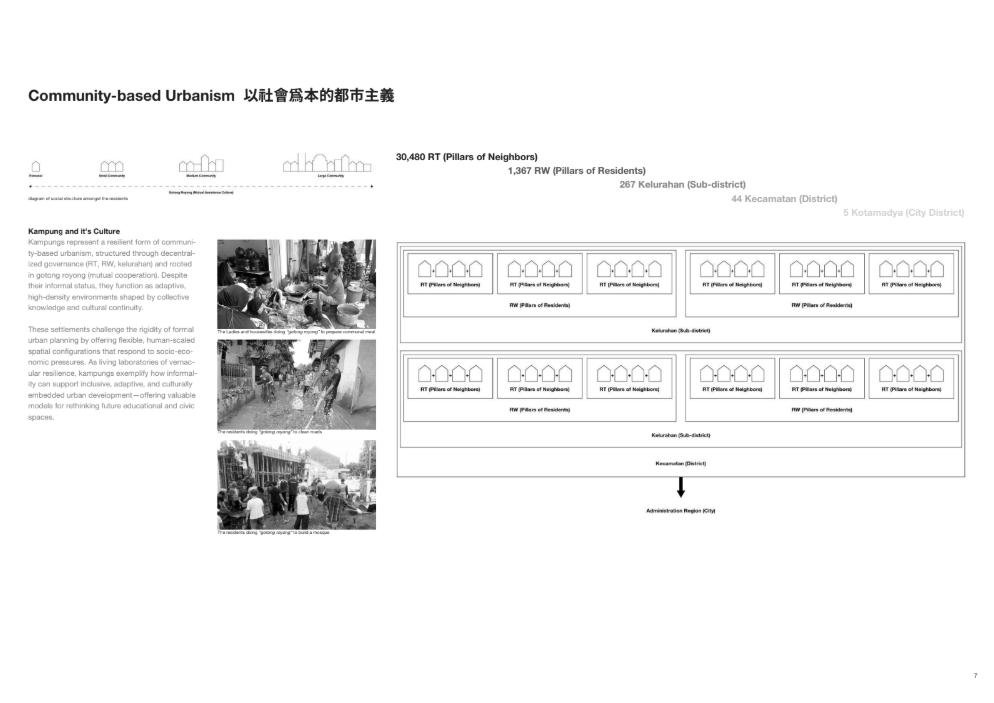
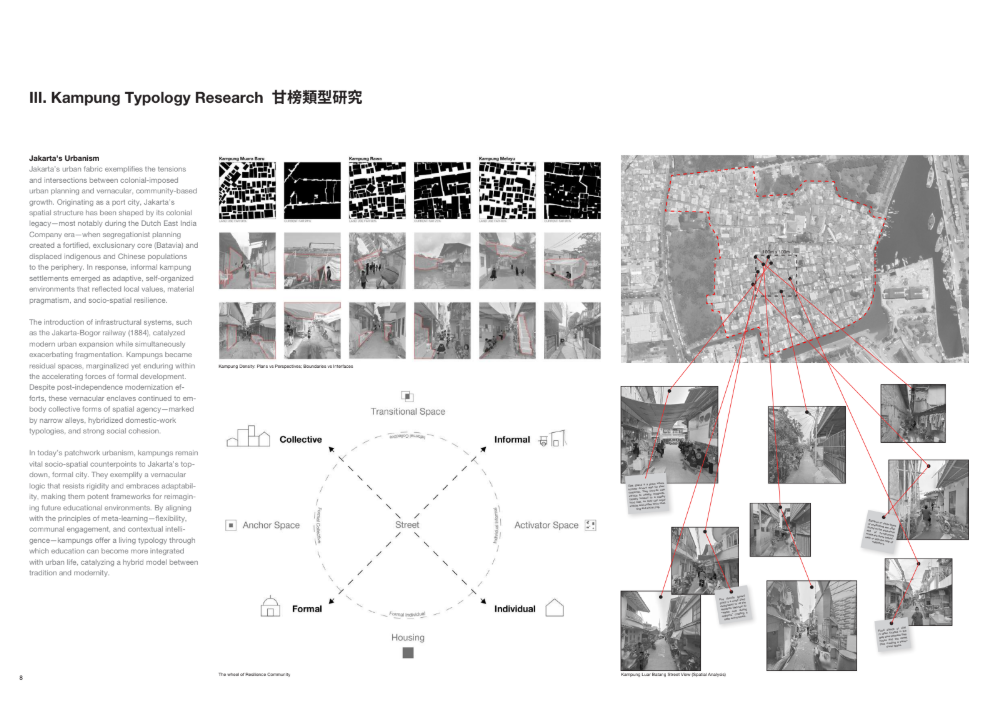
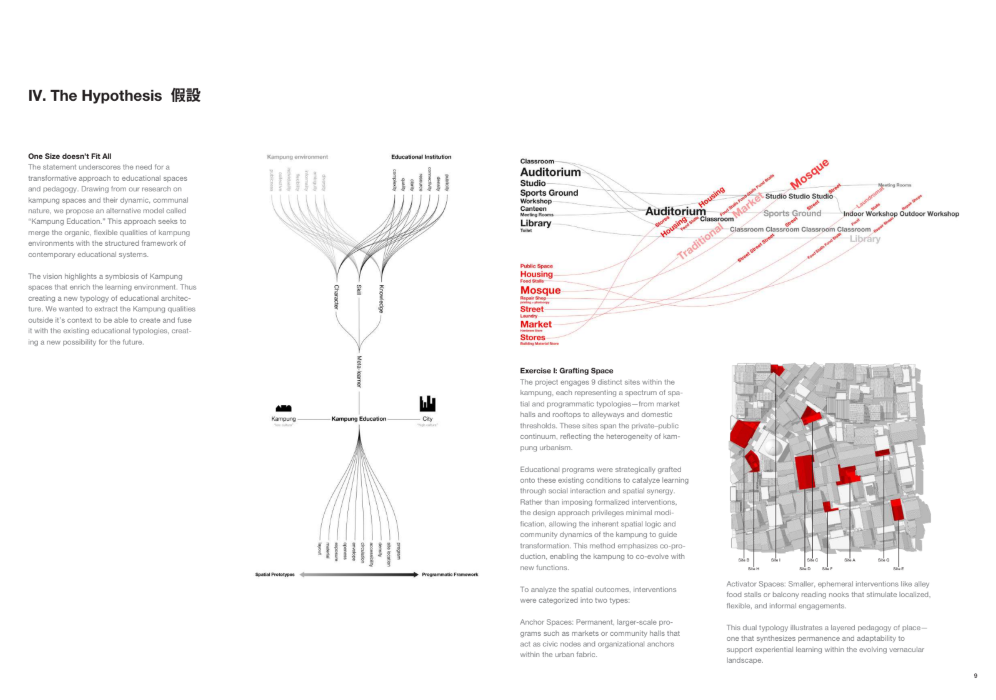
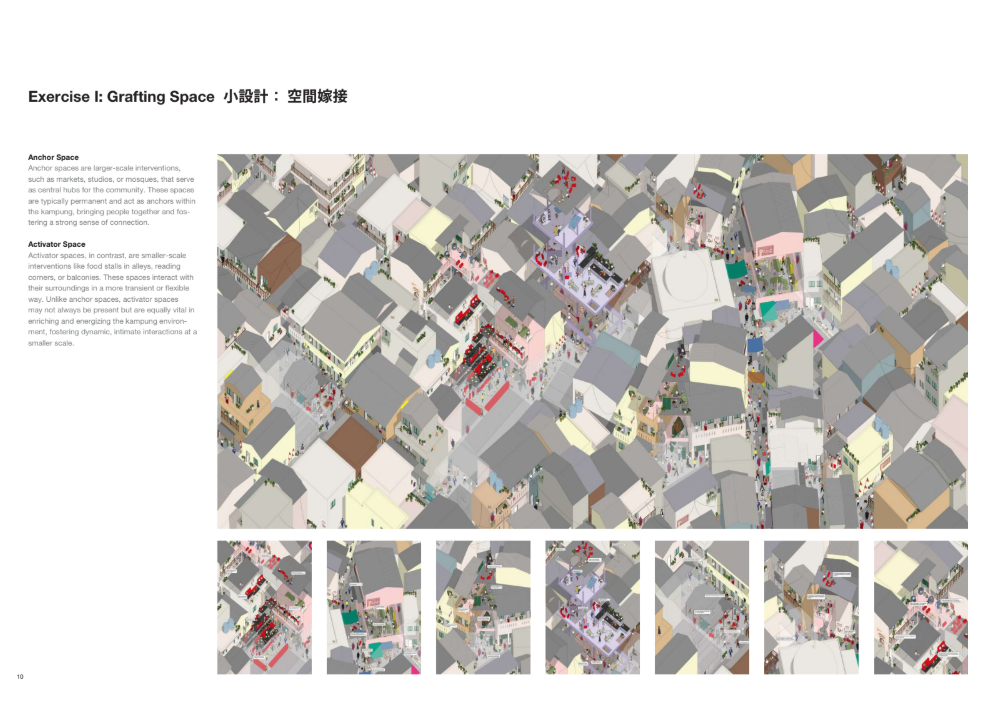
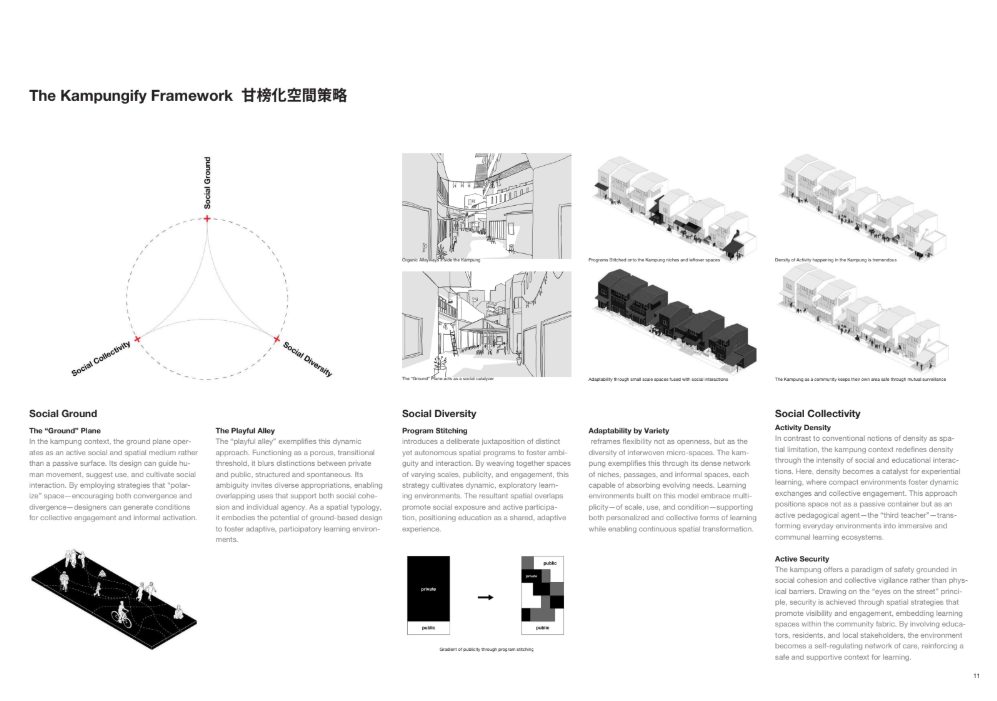
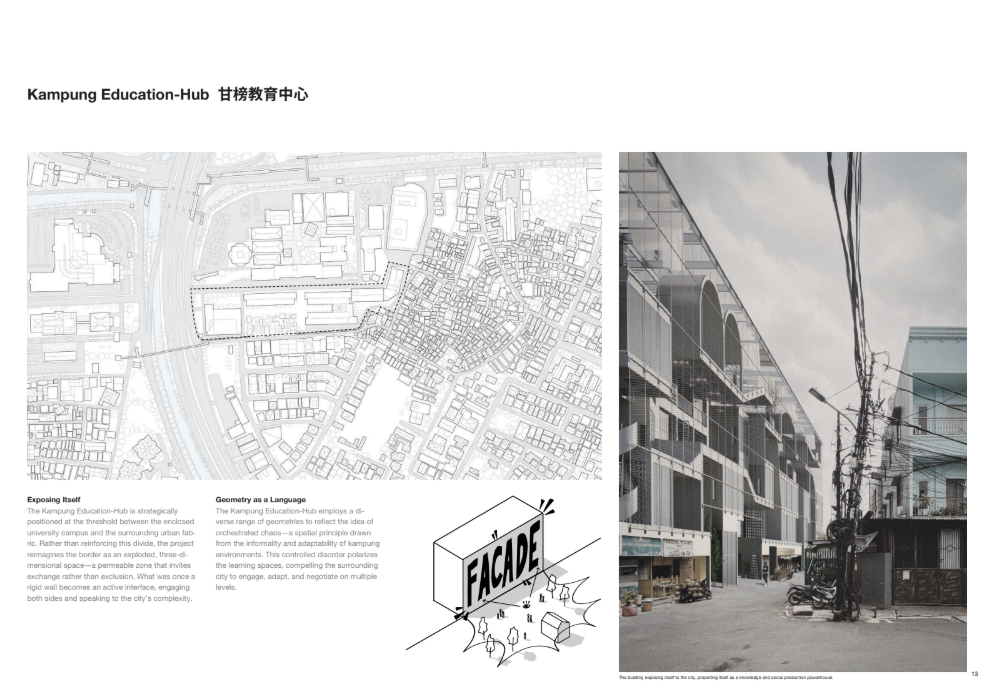
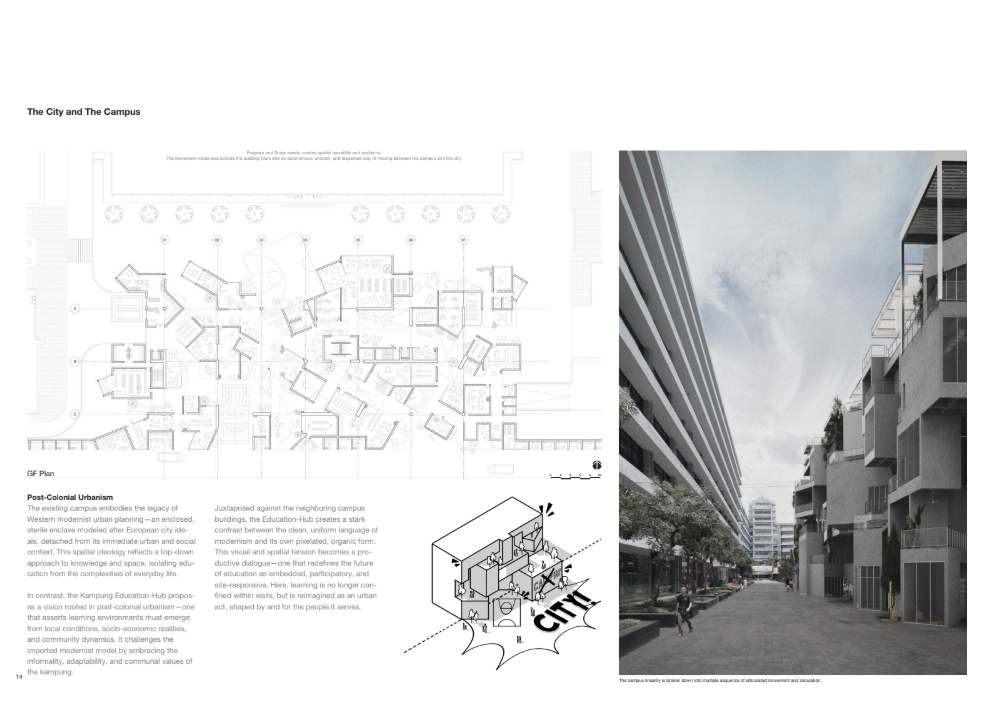
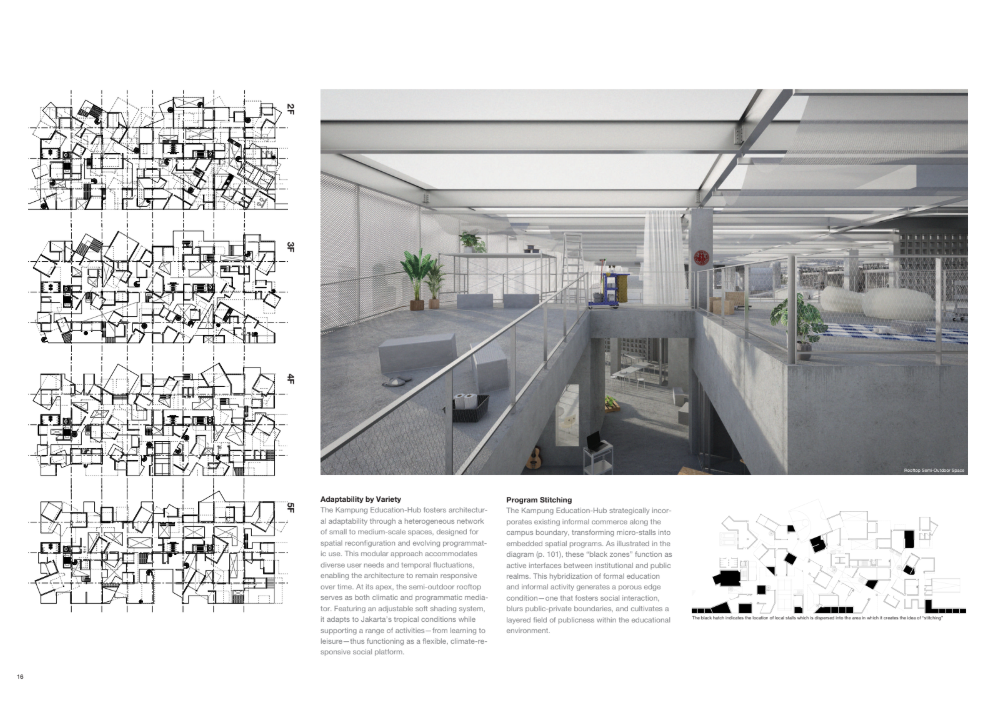
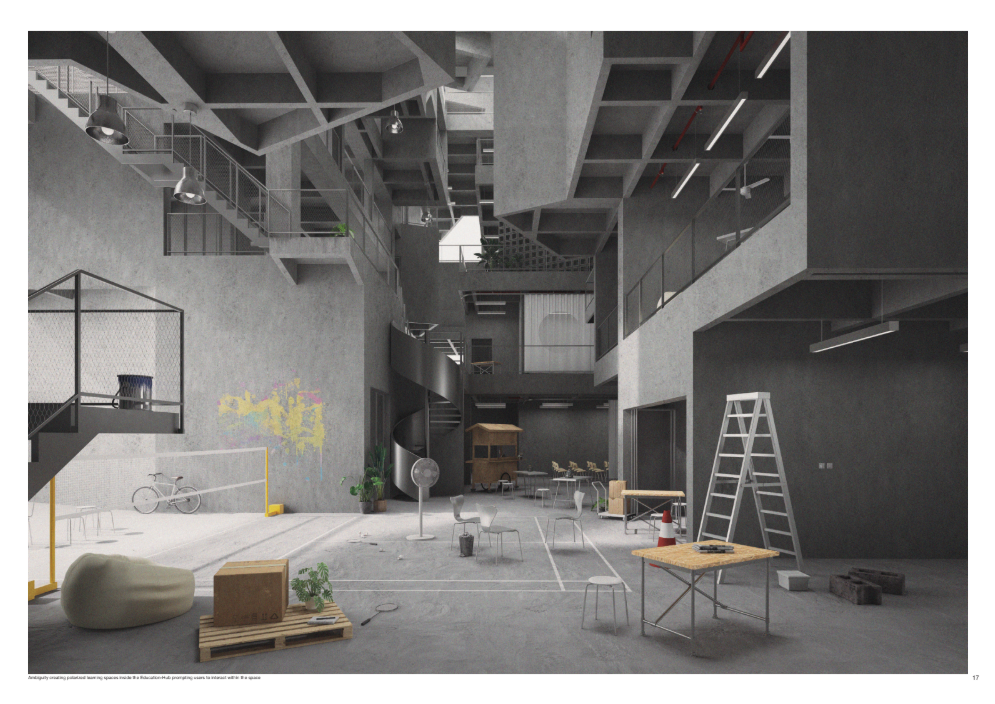
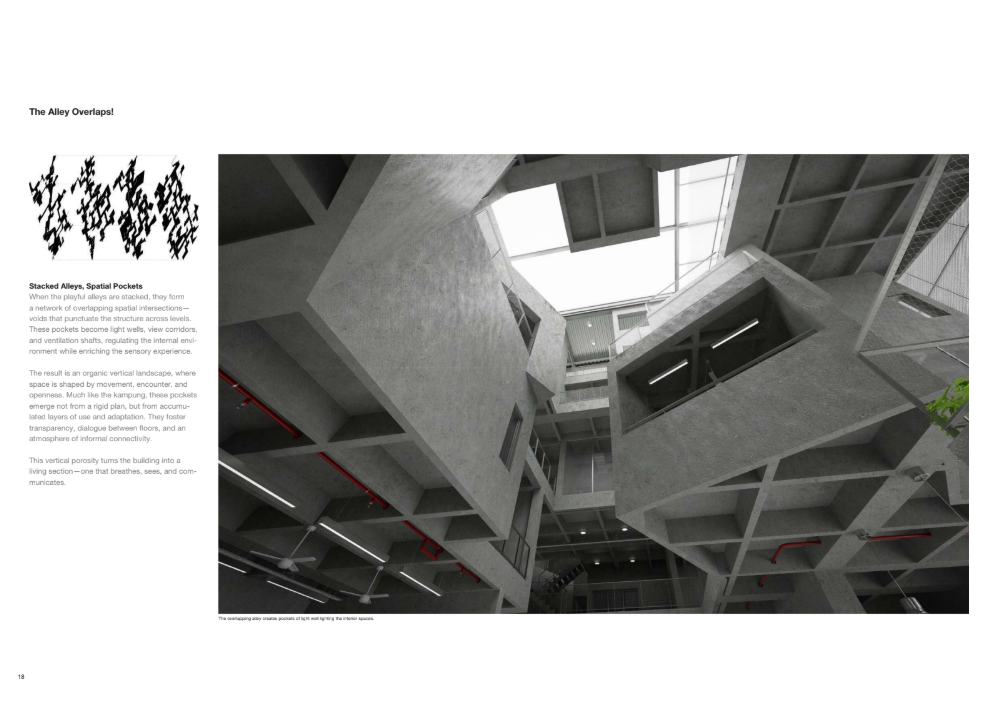
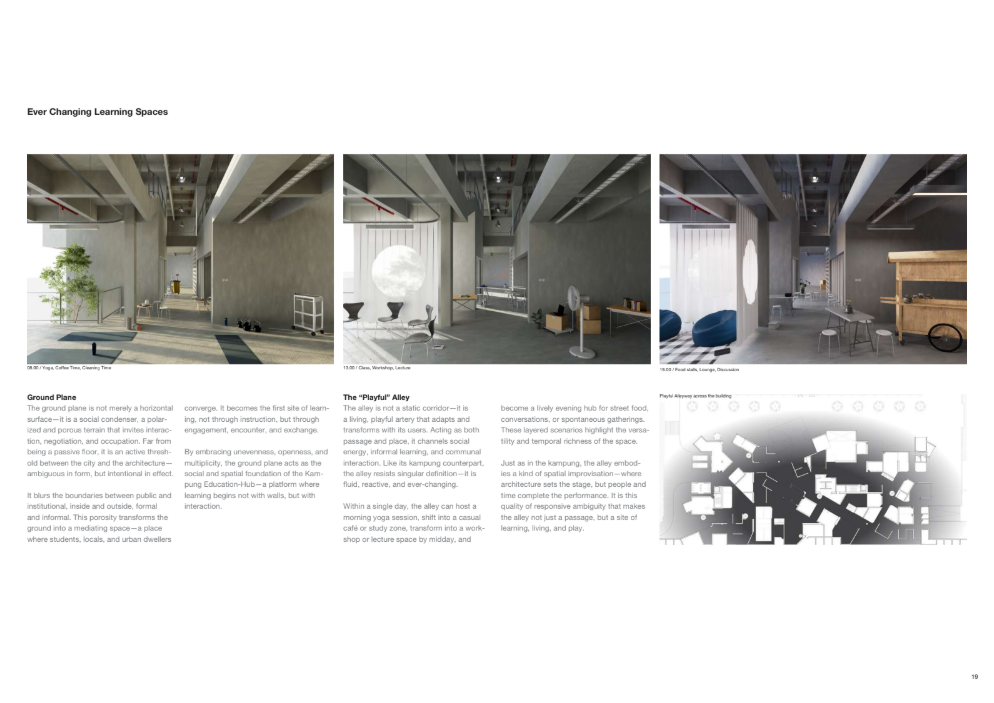
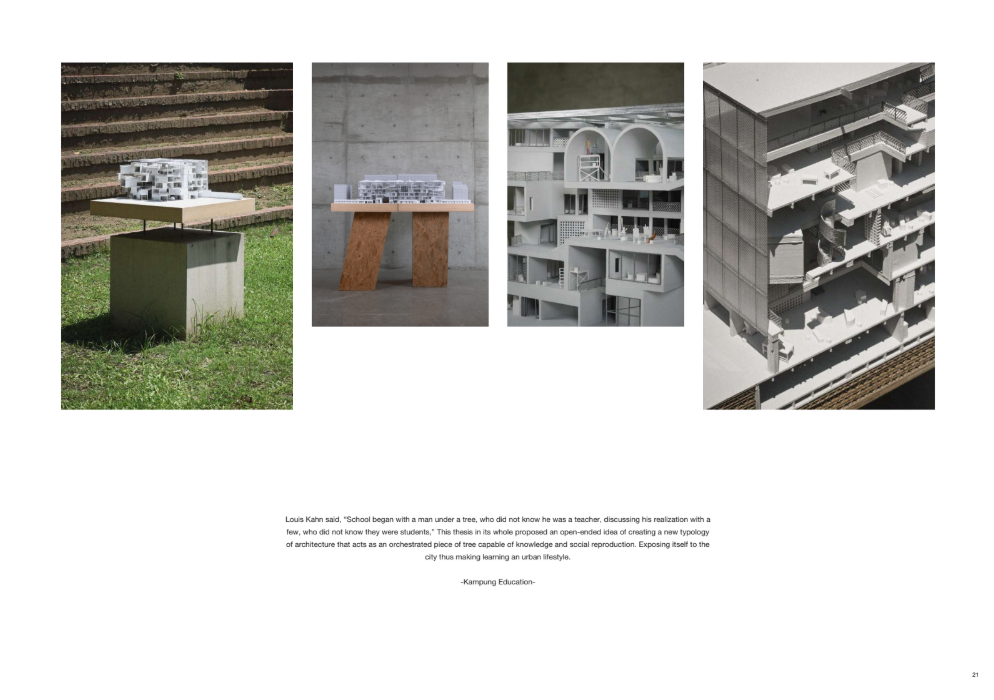
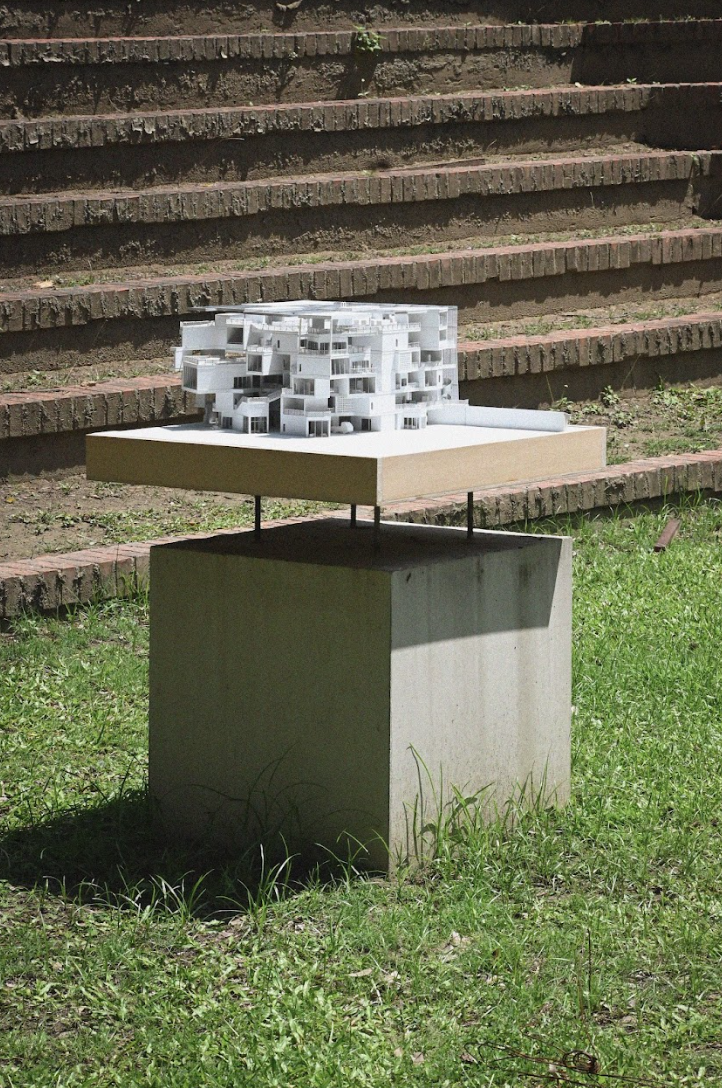
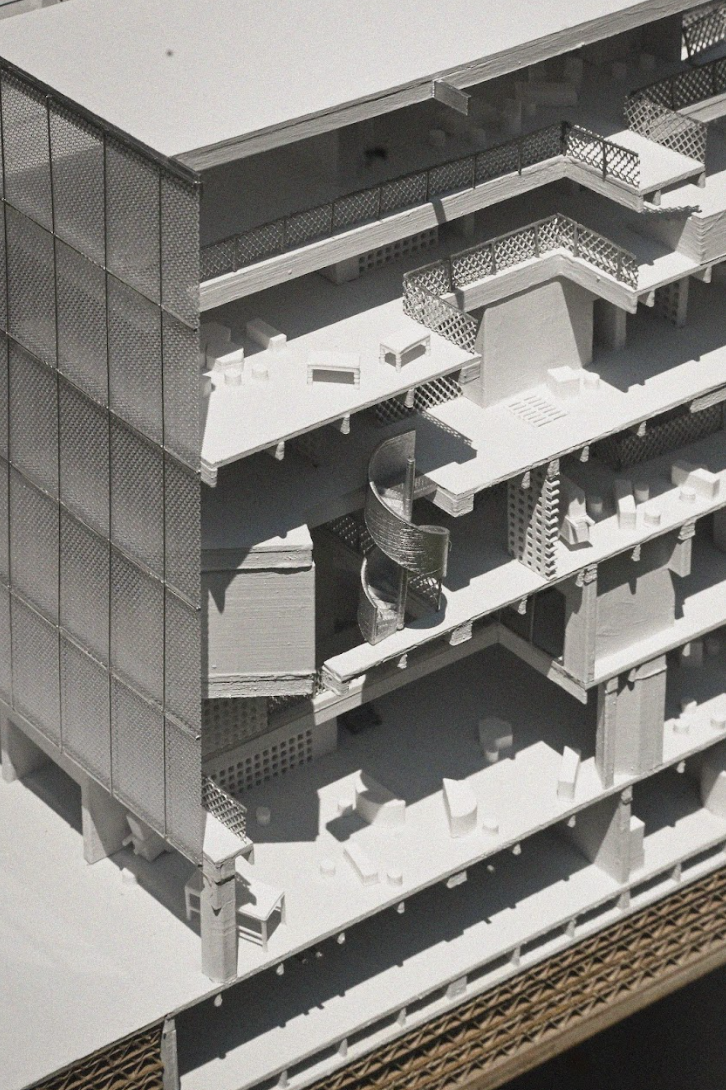
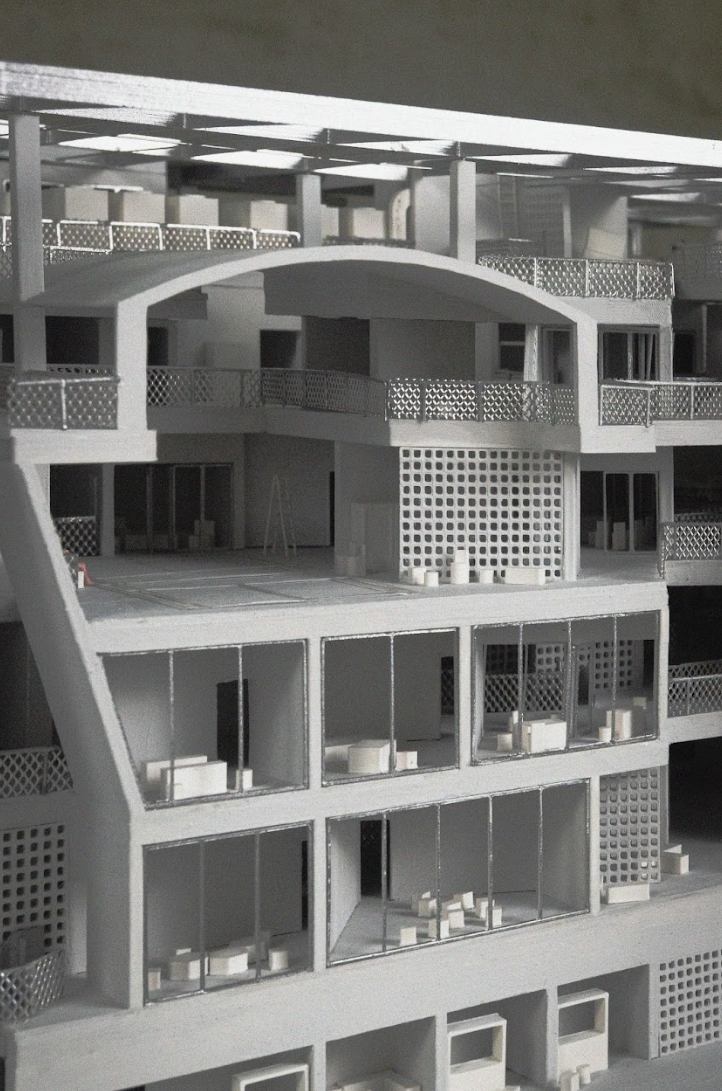
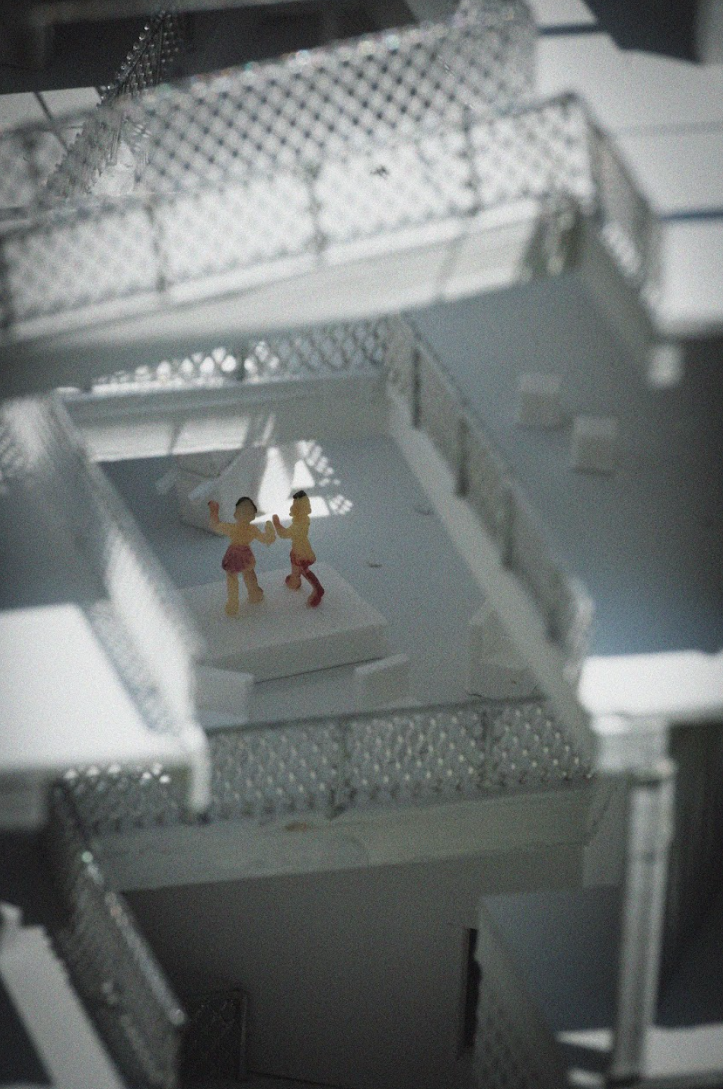
This thesis proposes a “Kampungified” educational model inspired by Jakarta’s kampung communities—vibrant, informal urban environments characterized by adaptability, diversity, and strong social bonds. By reinterpreting kampung spatial dynamics within a campus setting, the design creates an architecture that encourages interaction, collaboration, and spontaneous learning experiences.
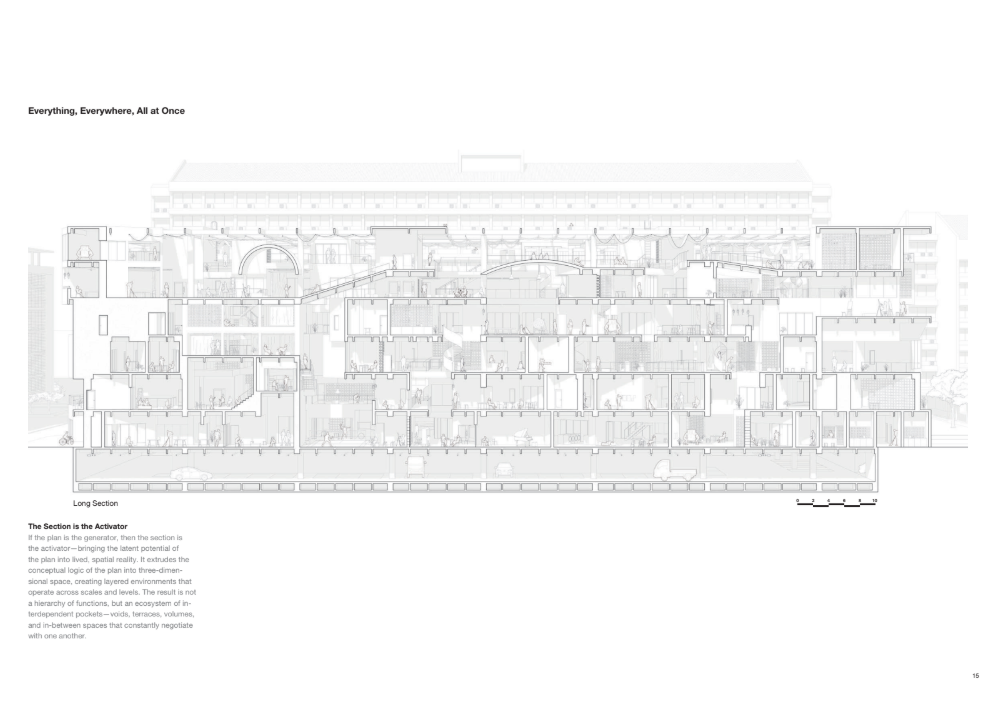
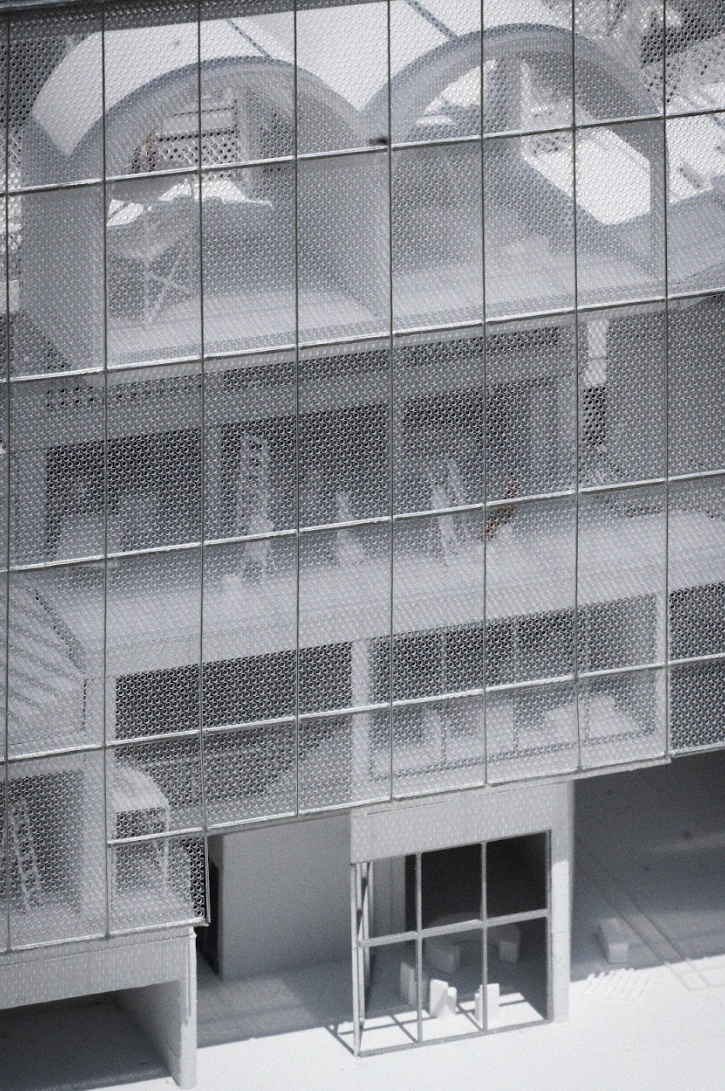
Through a flexible, layered design language, the project explores how educational spaces can become more integrated with the city, fostering community connections and dynamic learning ecosystems. The Kampungified Spaces framework acts as a blueprint for future educational environments: open, adaptive, and embedded locally.
More Projects of this Session
展區其他作品