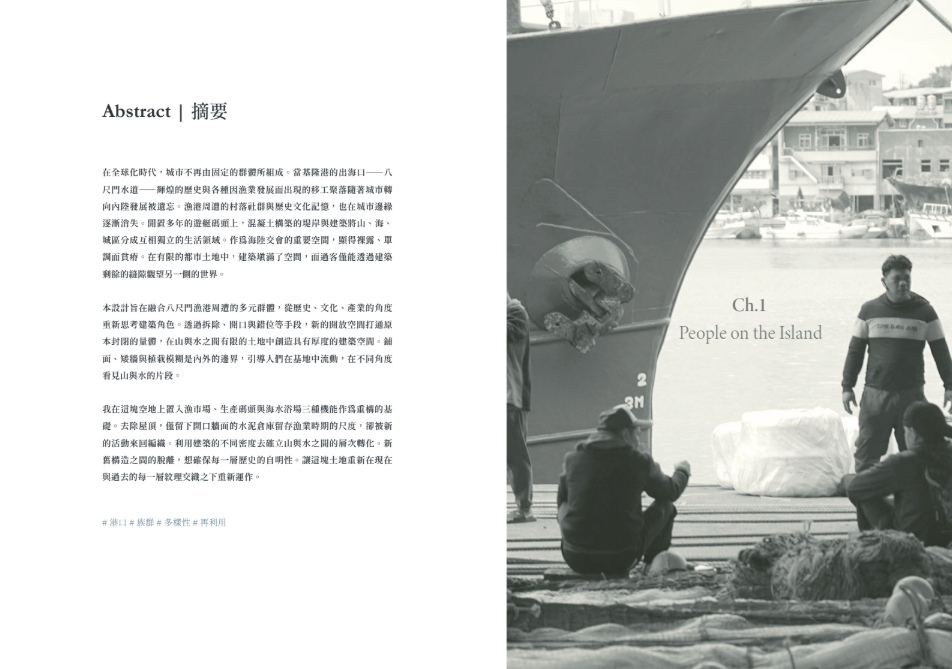
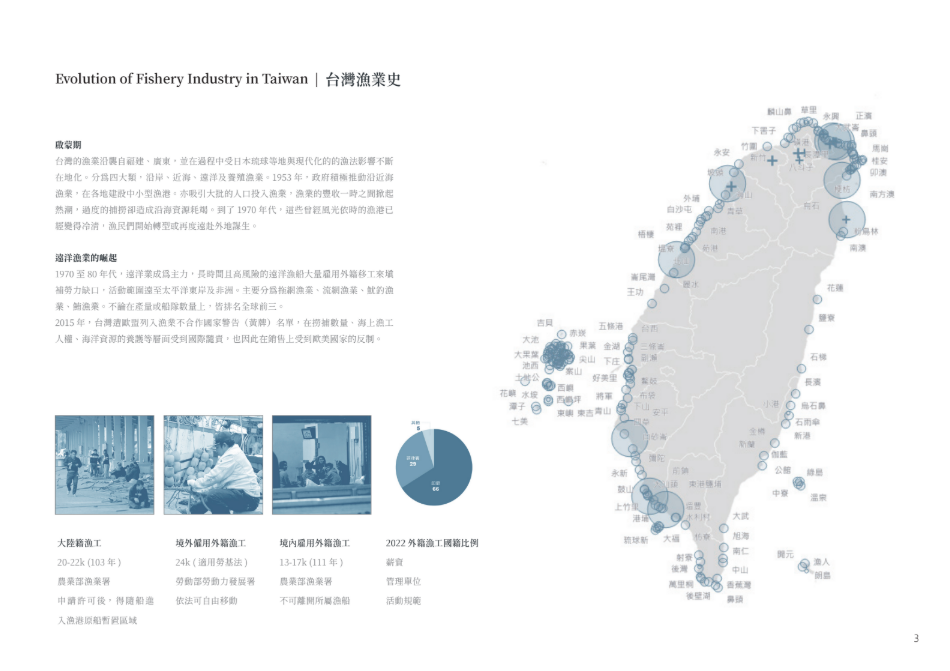
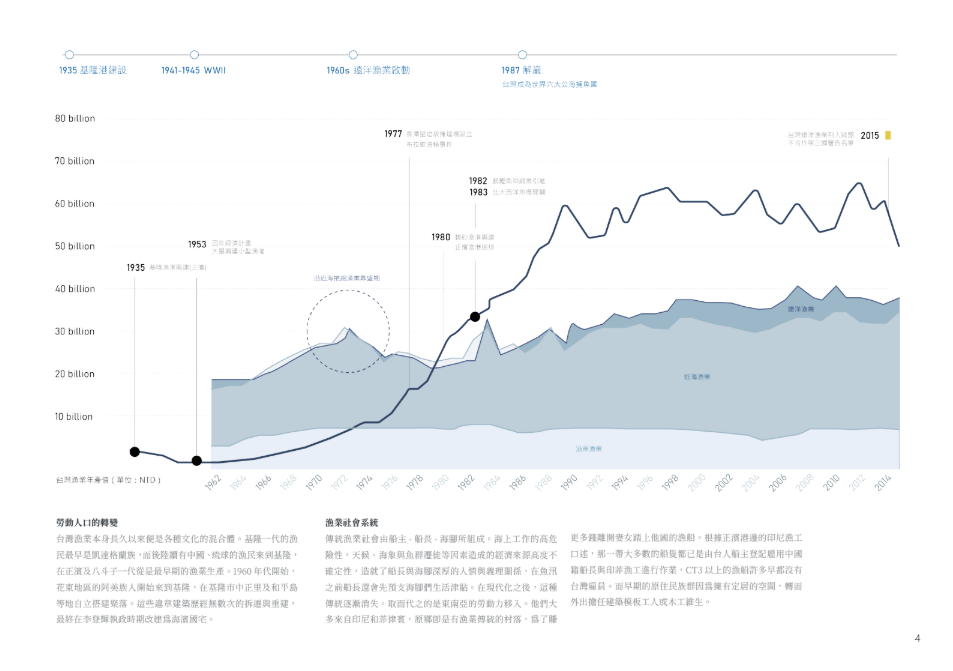
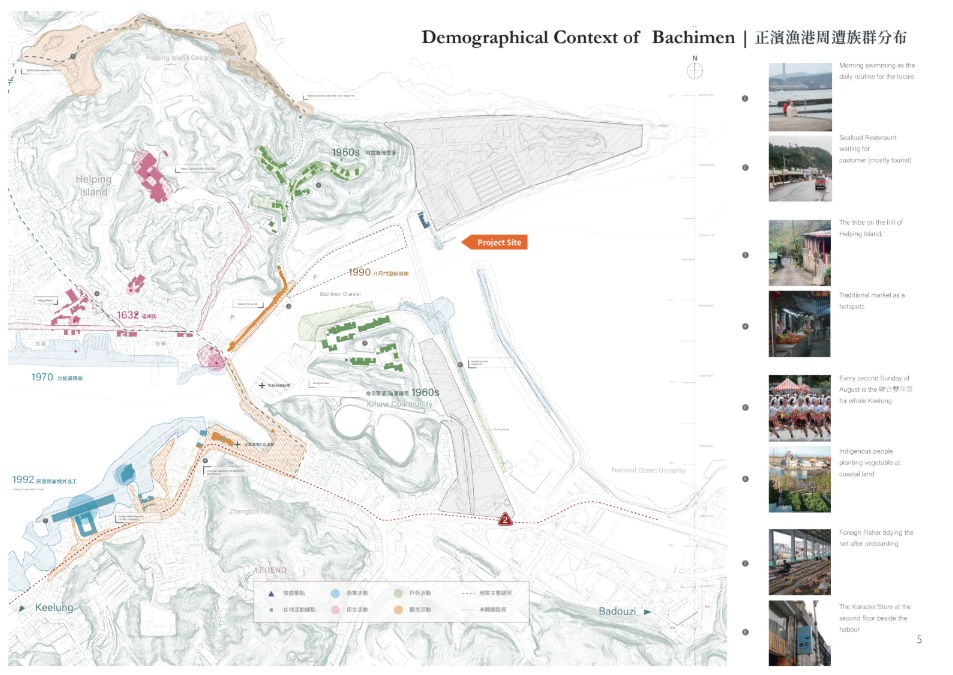
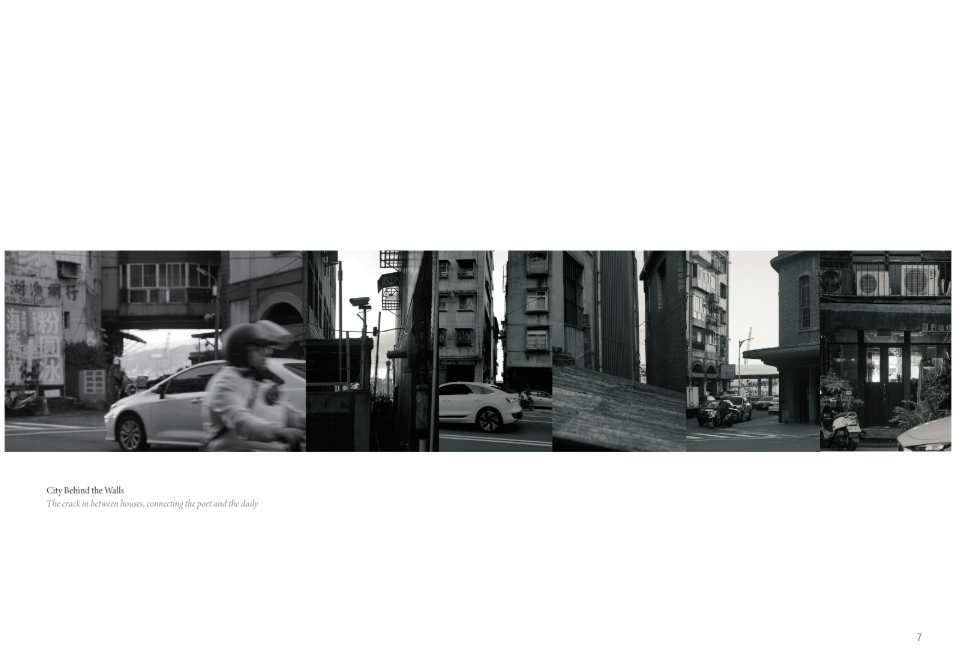
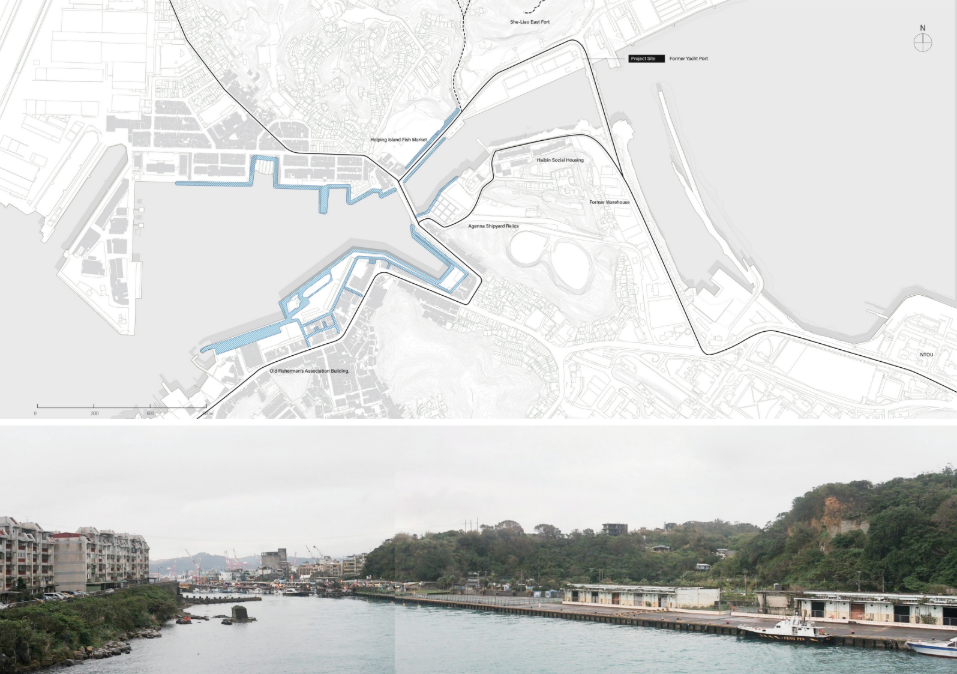
在全球化時代,城市不再由固定的群體所組成。當基隆港的出海口——八尺門水道——輝煌的歷史與各種因漁業發展而出現的移工聚落隨著城市轉向內陸發展被遺忘。漁港周遭的村落社群與歷史文化記憶,也在城市邊緣逐漸消失。閒置多年的遊艇碼頭上,混凝土構築的堤岸與建築將山、海、城區分成互相獨立的生活領域。作為海陸交會的重要空間,顯得裸露、單調而貧瘠。在有限的都市土地中,建築填滿了空間,而過客僅能透過建築剩餘的縫隙觀望另一側的世界。
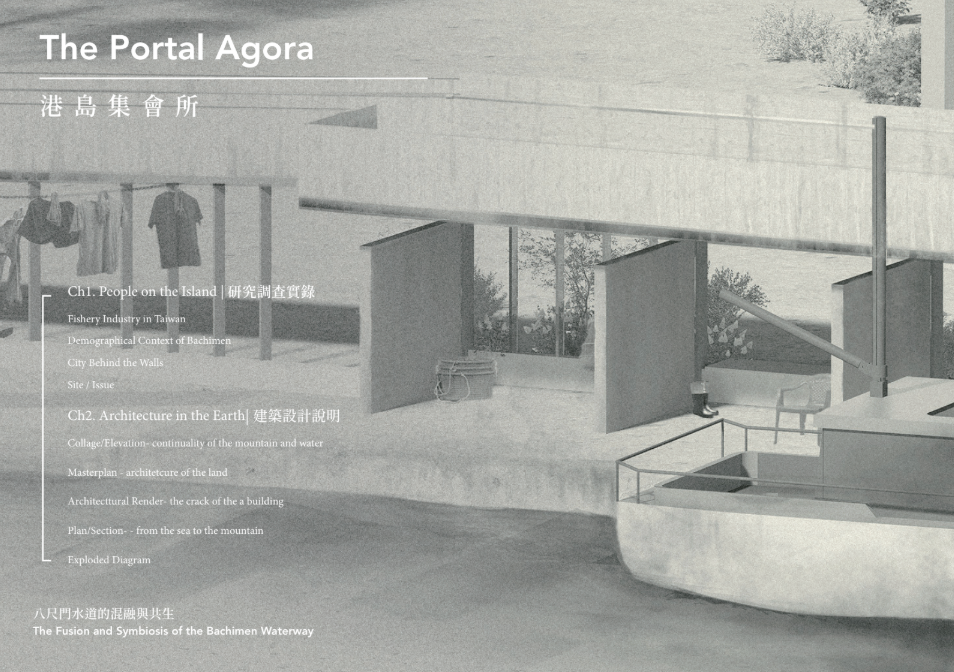
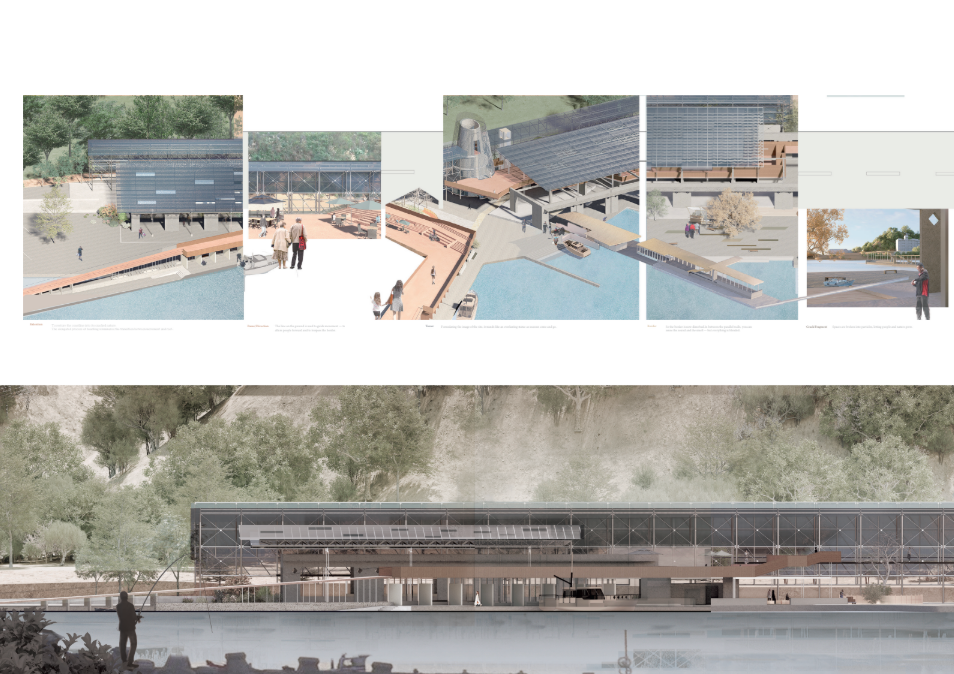
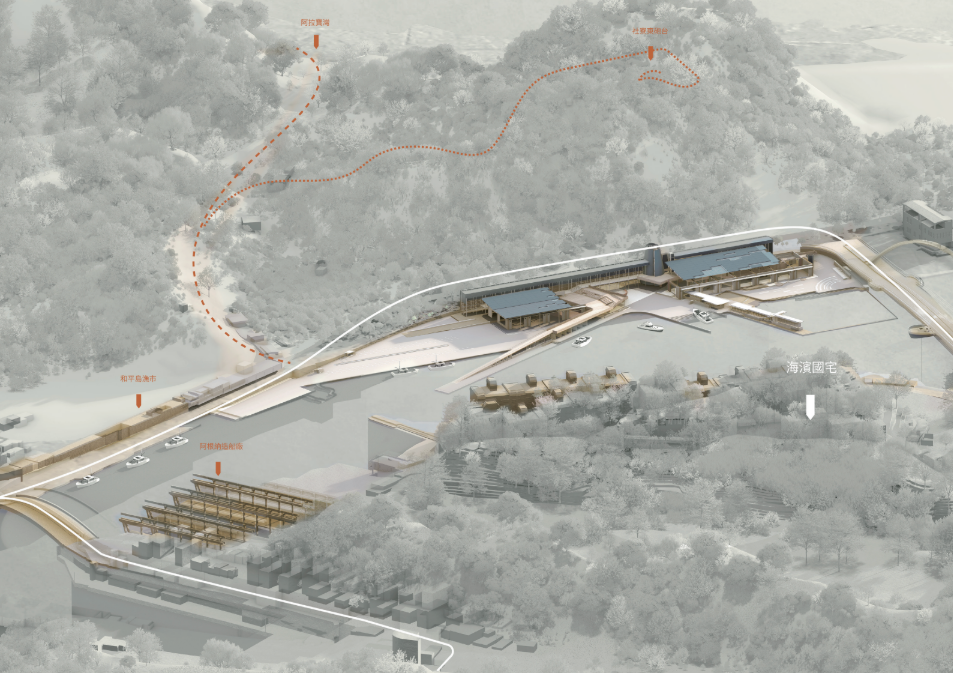
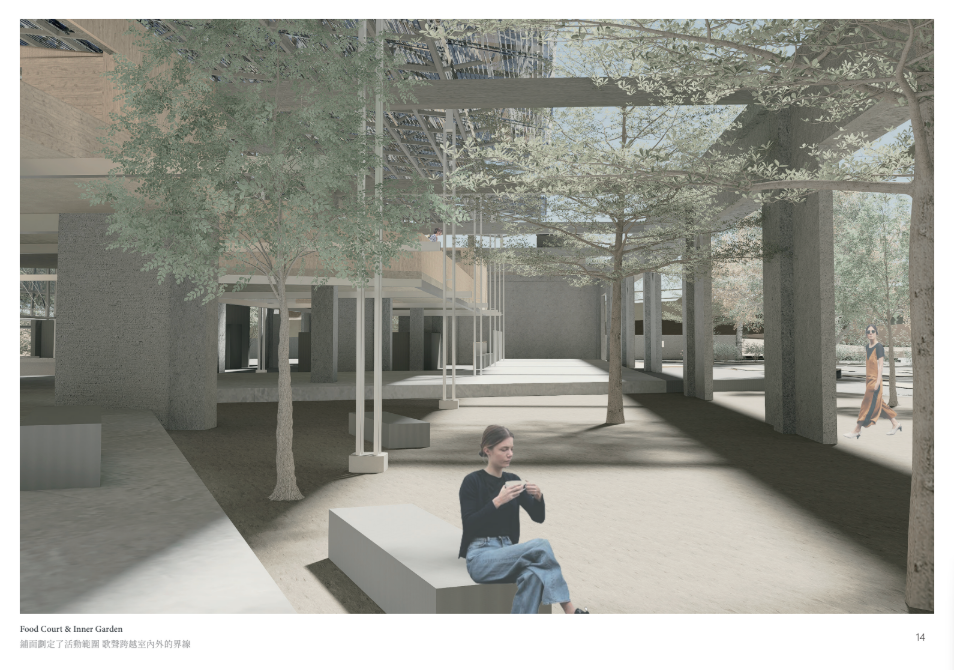
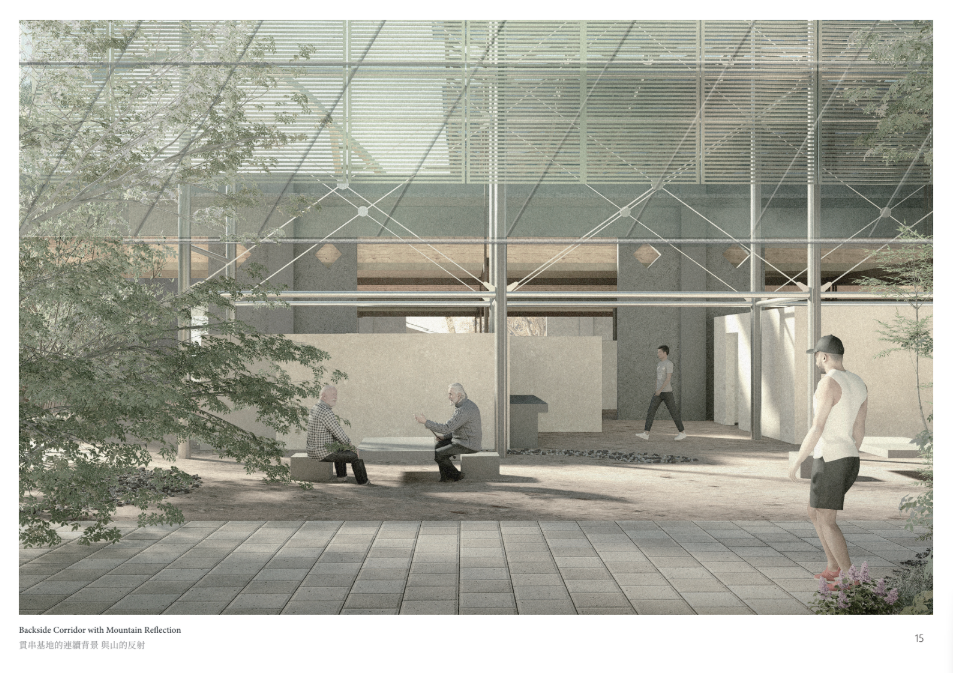
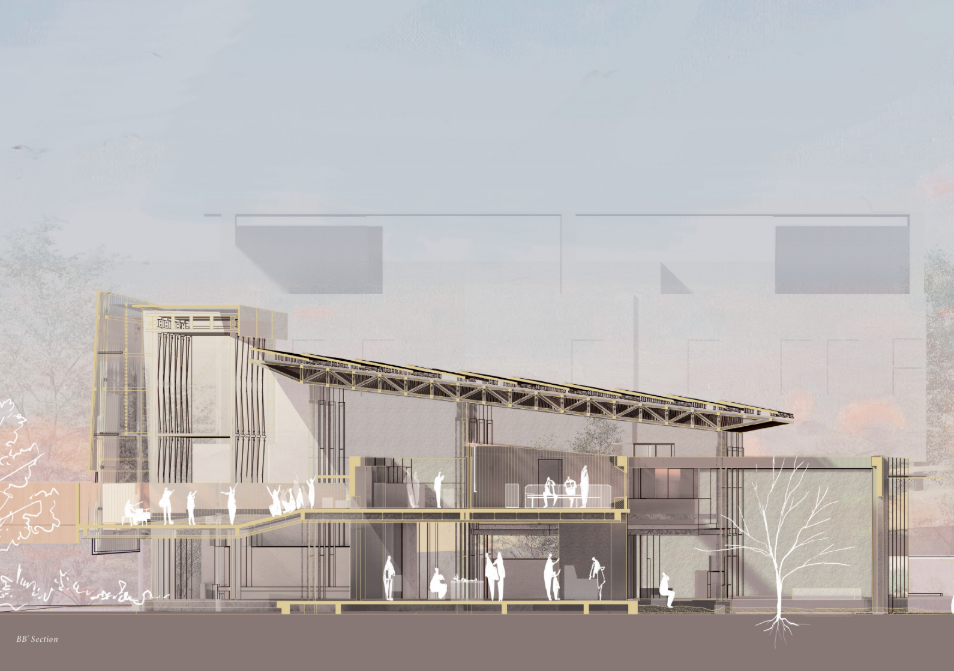
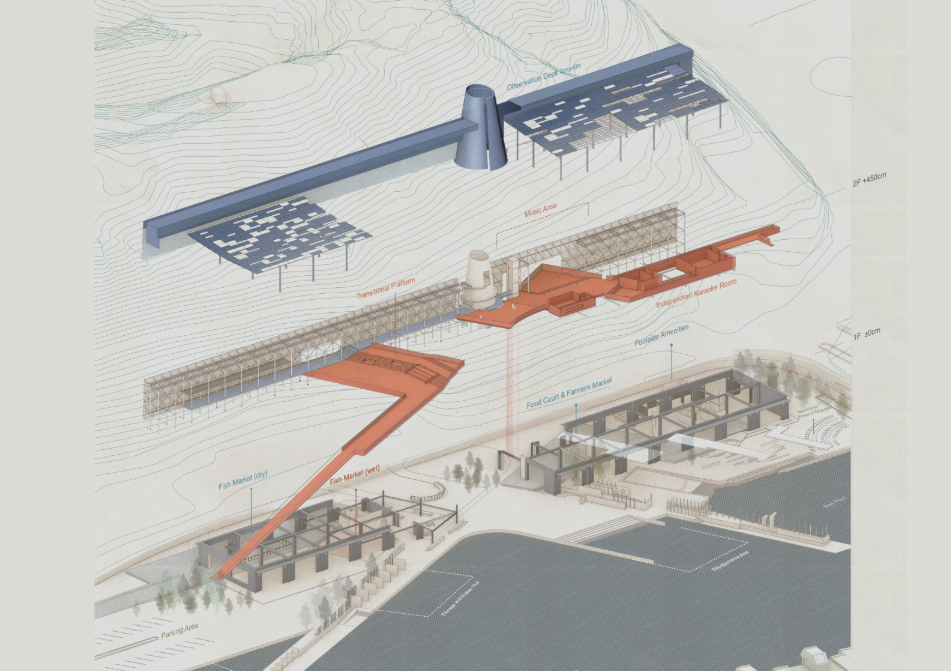
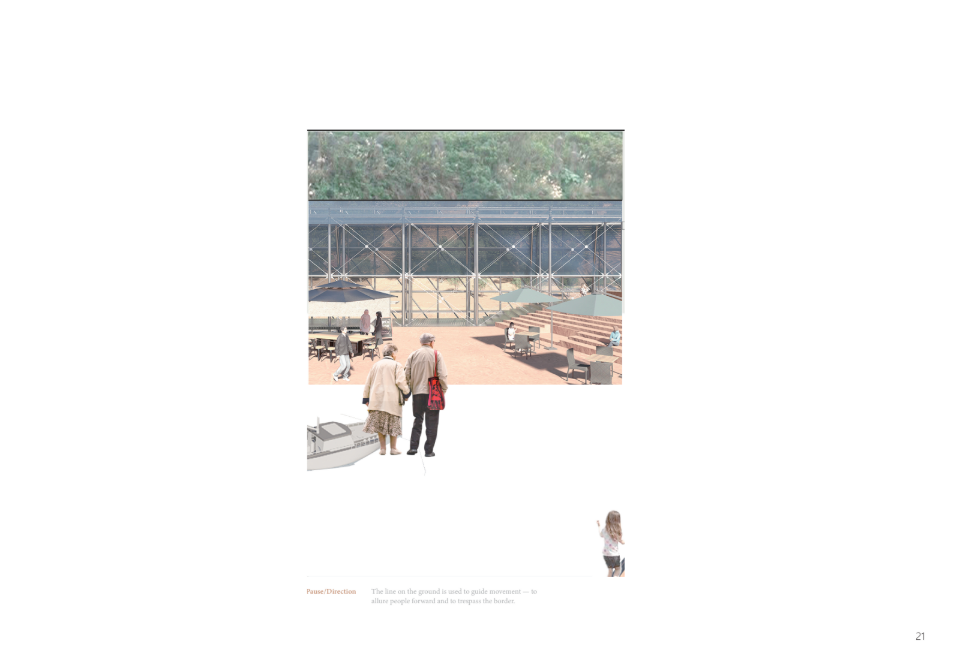
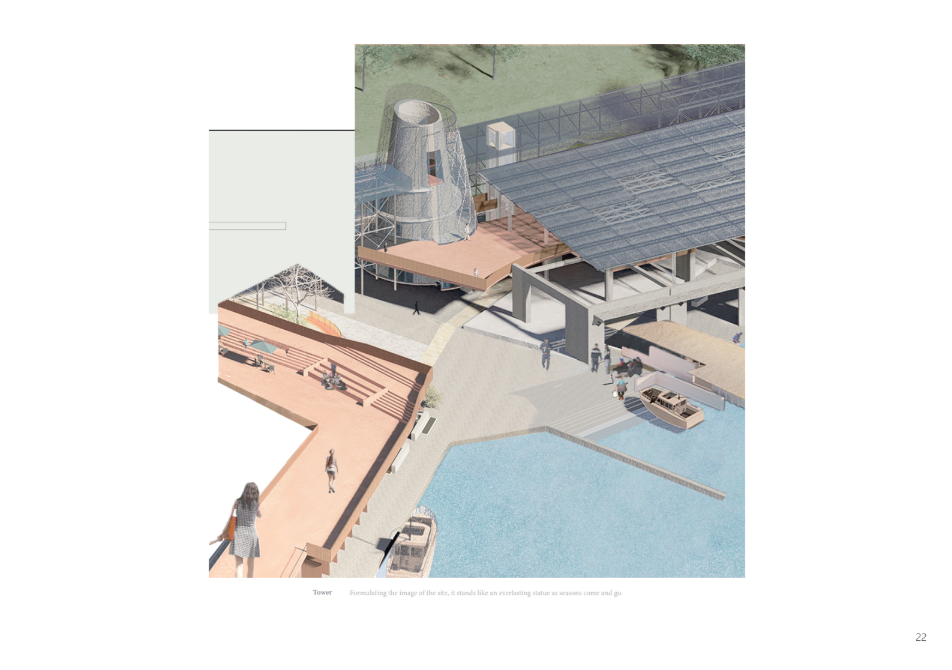
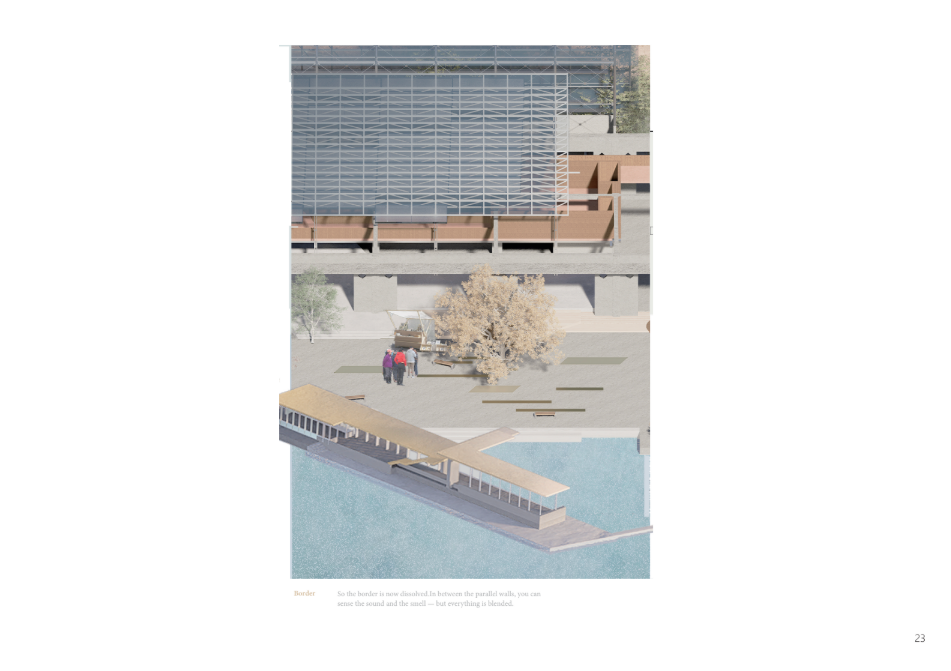
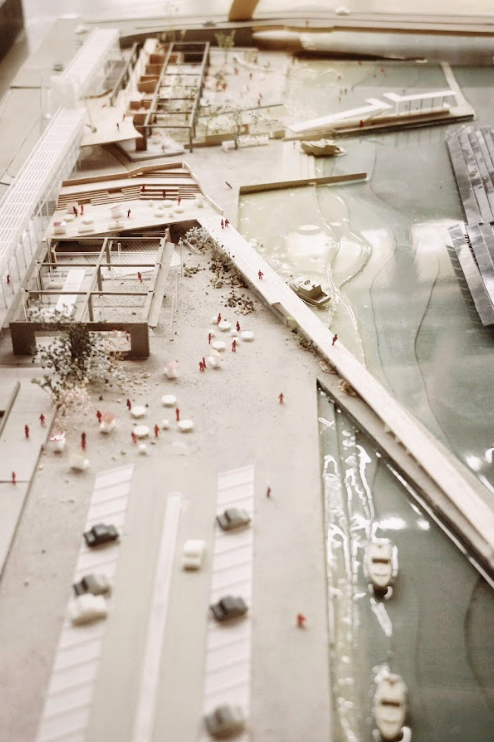
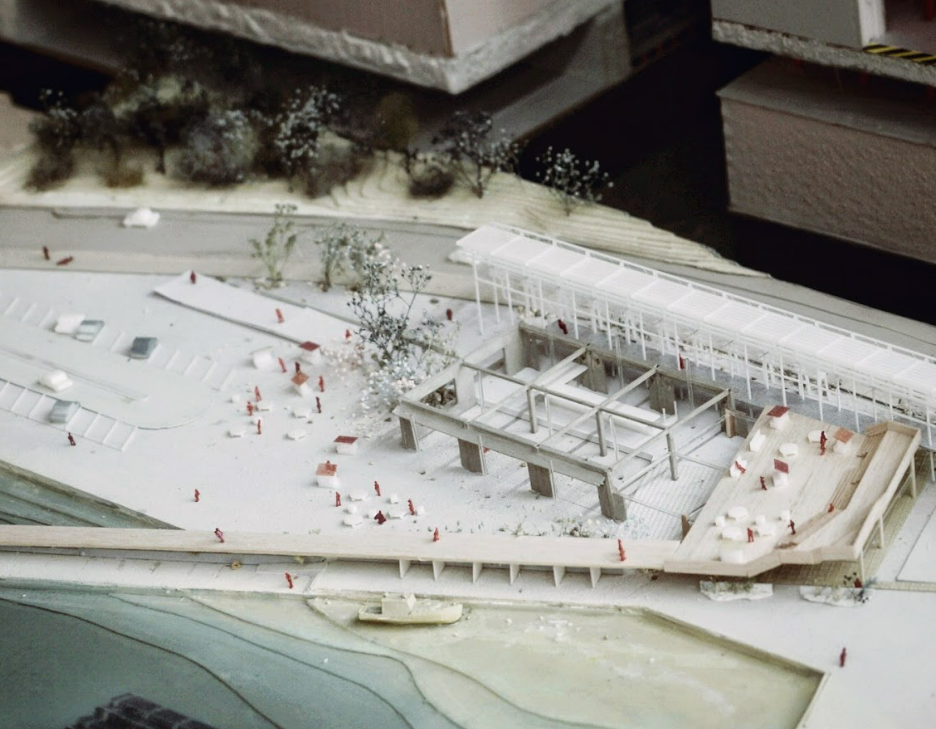
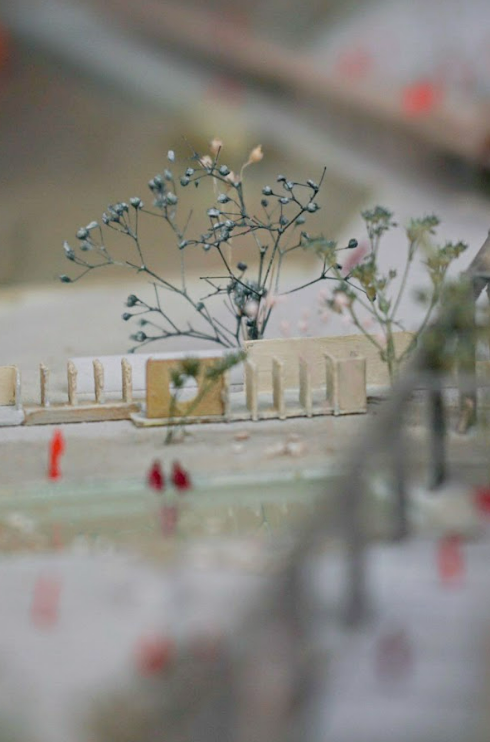
本設計旨在融合八尺門漁港周遭的多元群體,從歷史、文化、產業的角度重新思考建築角色。透過拆除、開口與錯位等手段,新的開放空間打通原本封閉的量體,在山與水之間有限的土地中創造具有厚度的建築空間。鋪面、矮牆與植栽模糊是內外的邊界,引導人們在基地中流動,在不同角度看見山與水的片段。
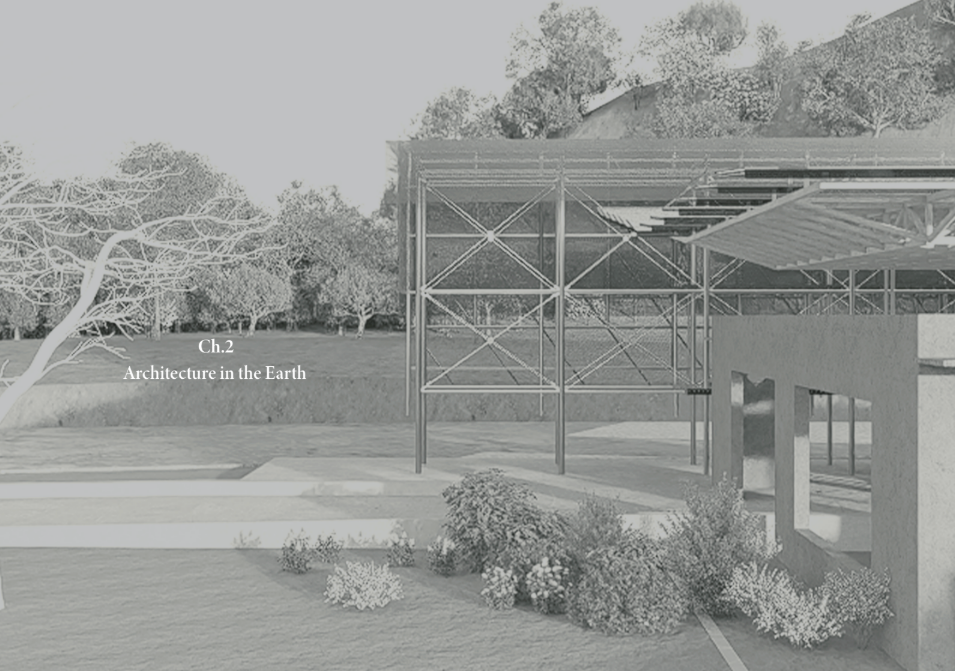
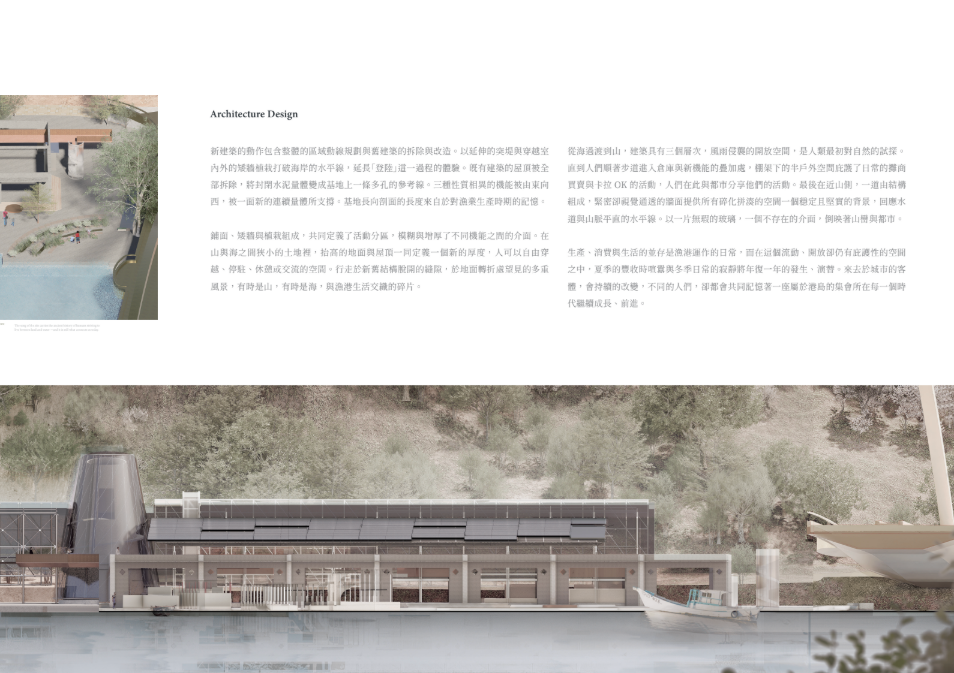
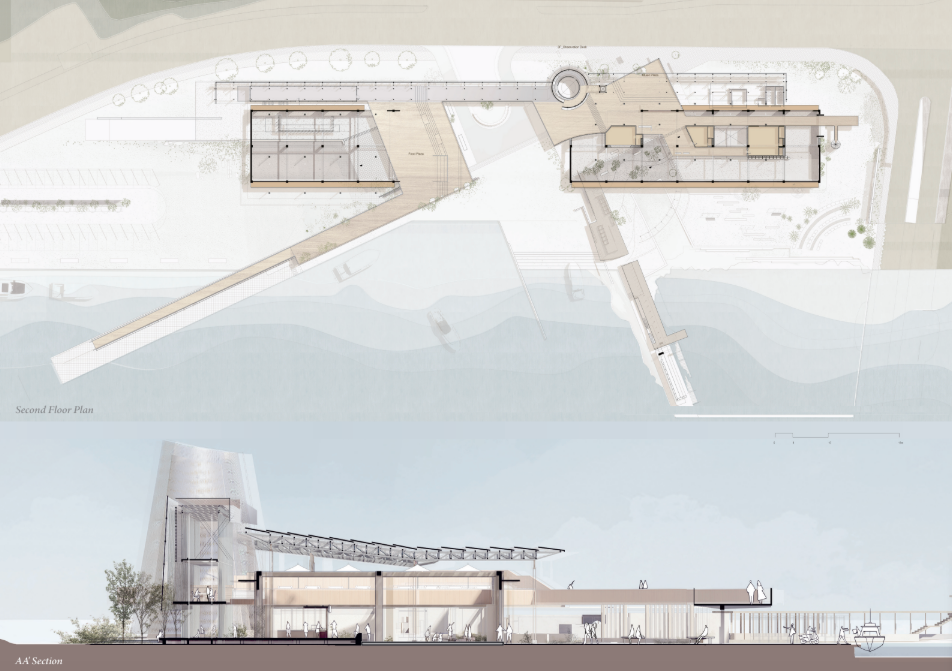
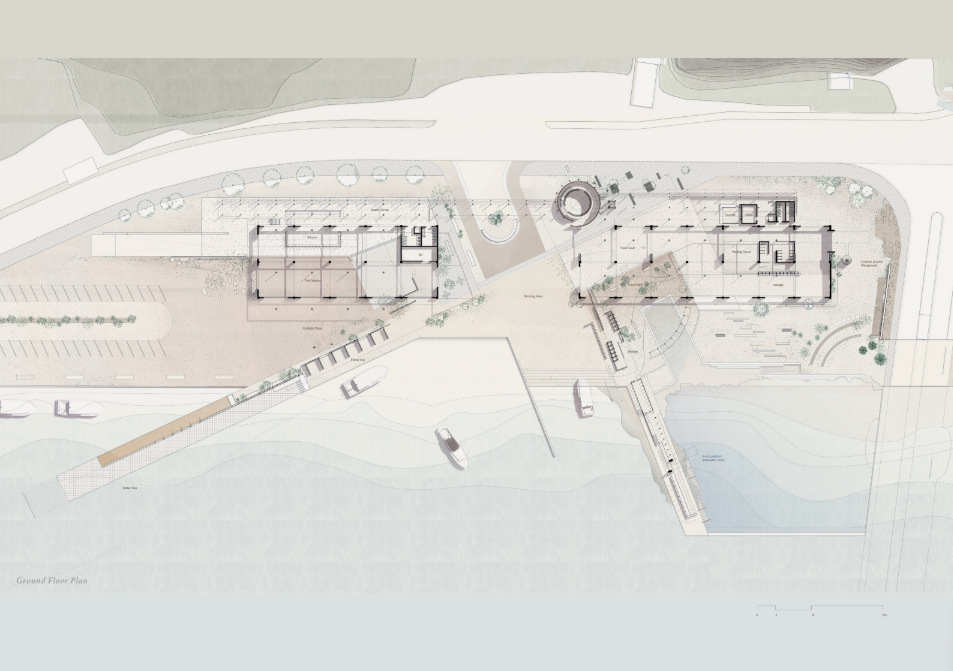
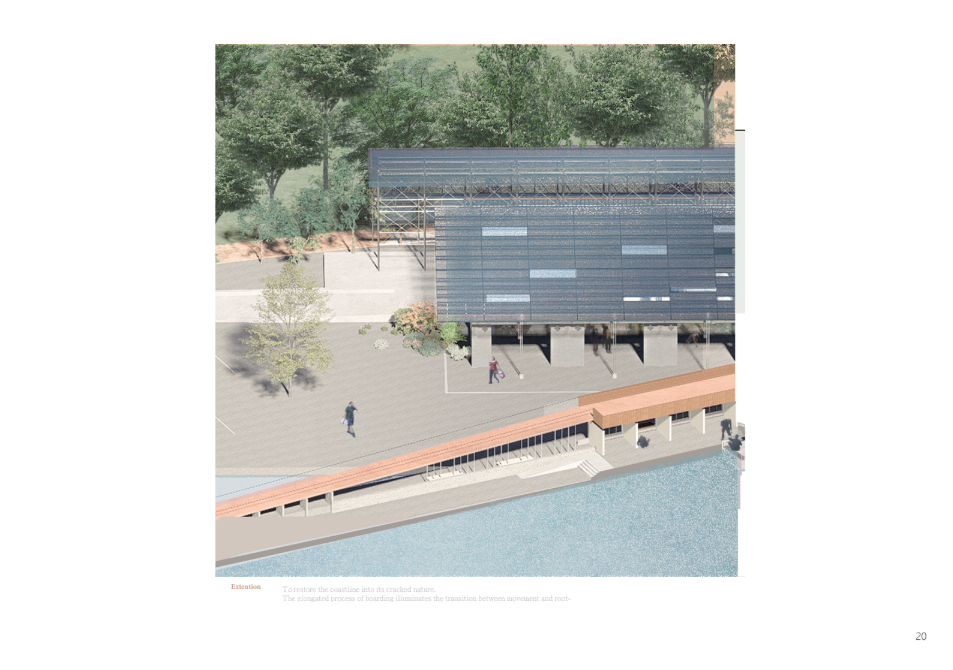
我在這塊空地上置入漁市場、生產碼頭與海水浴場三種機能作為重構的基礎。去除屋頂,僅留下開口牆面的水泥倉庫留存漁業時期的尺度,卻被新的活動來回編織。利用建築的不同密度去確立山與水之間的層次轉化。新舊構造之間的脫離,想確保每一層歷史的自明性。讓這塊土地重新在現在與過去的每一層紋理交織之下重新運作。
–
Harbor Island Assembly Hall
In the age of globalization, cities are no longer formed by fixed communities. At the mouth of Keelung Port—the Baci Channel—vibrant histories and migrant fishing settlements have faded as the city shifts inland. The villages and cultural memory surrounding the harbor now vanish at the urban periphery. On the long-abandoned yacht marina, concrete embankments and buildings divide mountain, sea, and city into disconnected realms. This crucial land-sea threshold now lies exposed, barren, and fragmented.
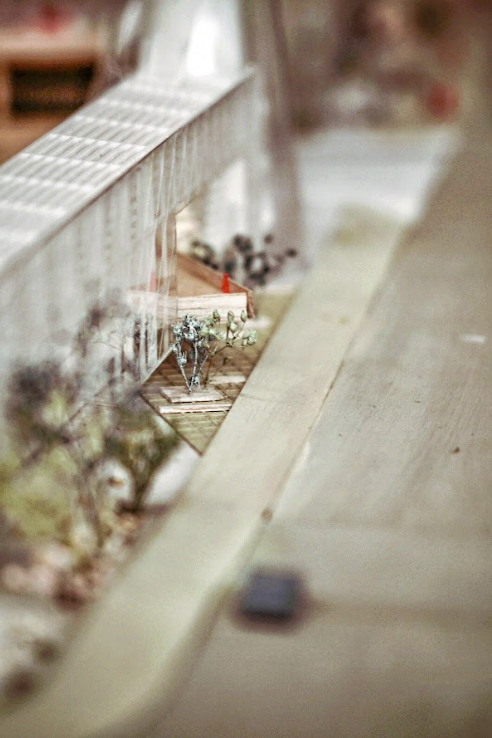
This project reimagines the role of architecture through the lens of Baci’s diverse communities, history, and industry. Using strategies of subtraction, openings, and spatial dislocation, the once-enclosed volumes are reconfigured into open, layered spaces. Paving, low walls, and vegetation blur the boundary between inside and out, guiding people through the site and revealing fragmented views of mountains and water.
Inserted into this void are three functions: a fish market, a working pier, and a seawater bath. A roofless concrete warehouse preserves the scale of the fishing era while being interwoven with new public activity. Varying densities of built form articulate the gradual shift from mountain to sea. The separation between old and new construction allows each historical layer to remain legible—enabling the site to operate once again, shaped by the overlapping textures of past and present.