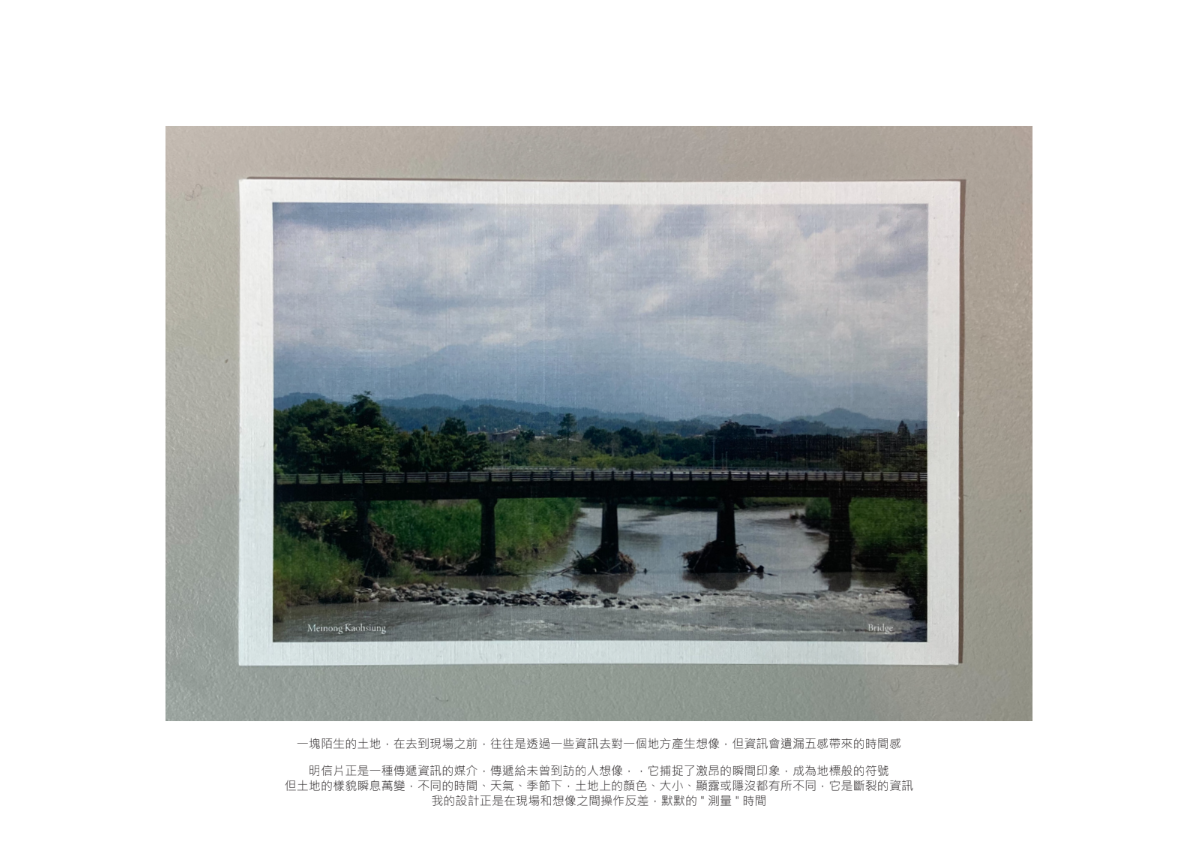
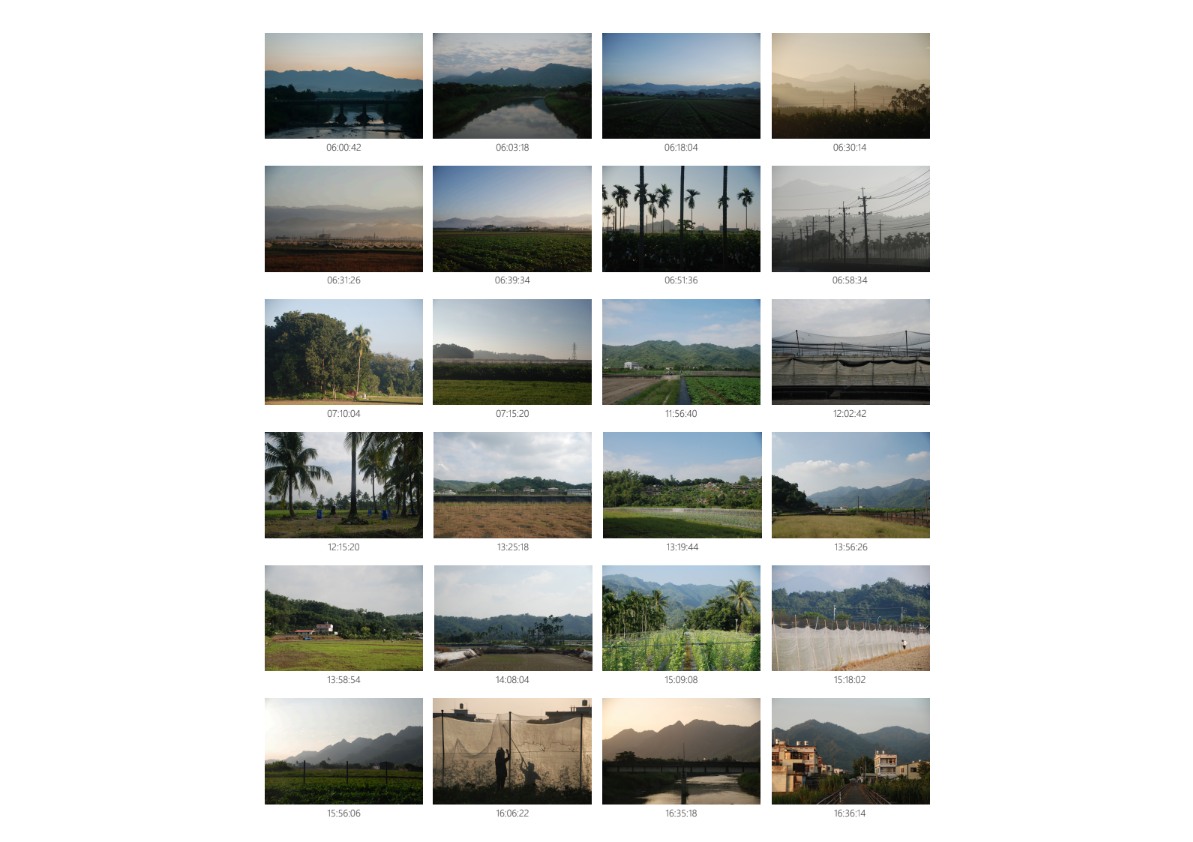
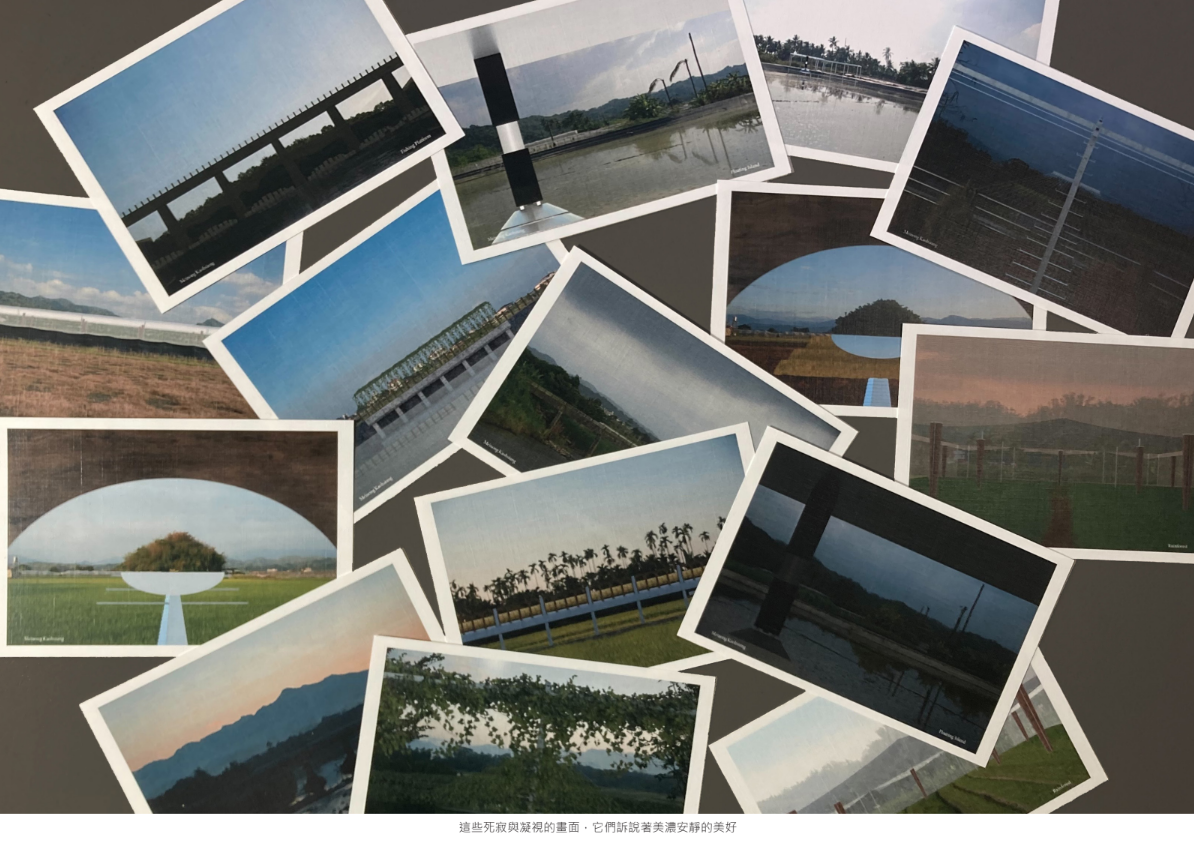
在抵達現場之前,我們對一塊土地的認識多來自圖像與資訊,這些資訊如同明信片,傳遞給未曾到訪者一種想像,捕捉的是風景某個激昂瞬間,卻常忽略五感與時間帶來的細節與變化。土地的顏色、大小、隱沒與顯現,隨季節與天氣轉變,而我們接收的資訊總是片段斷裂。
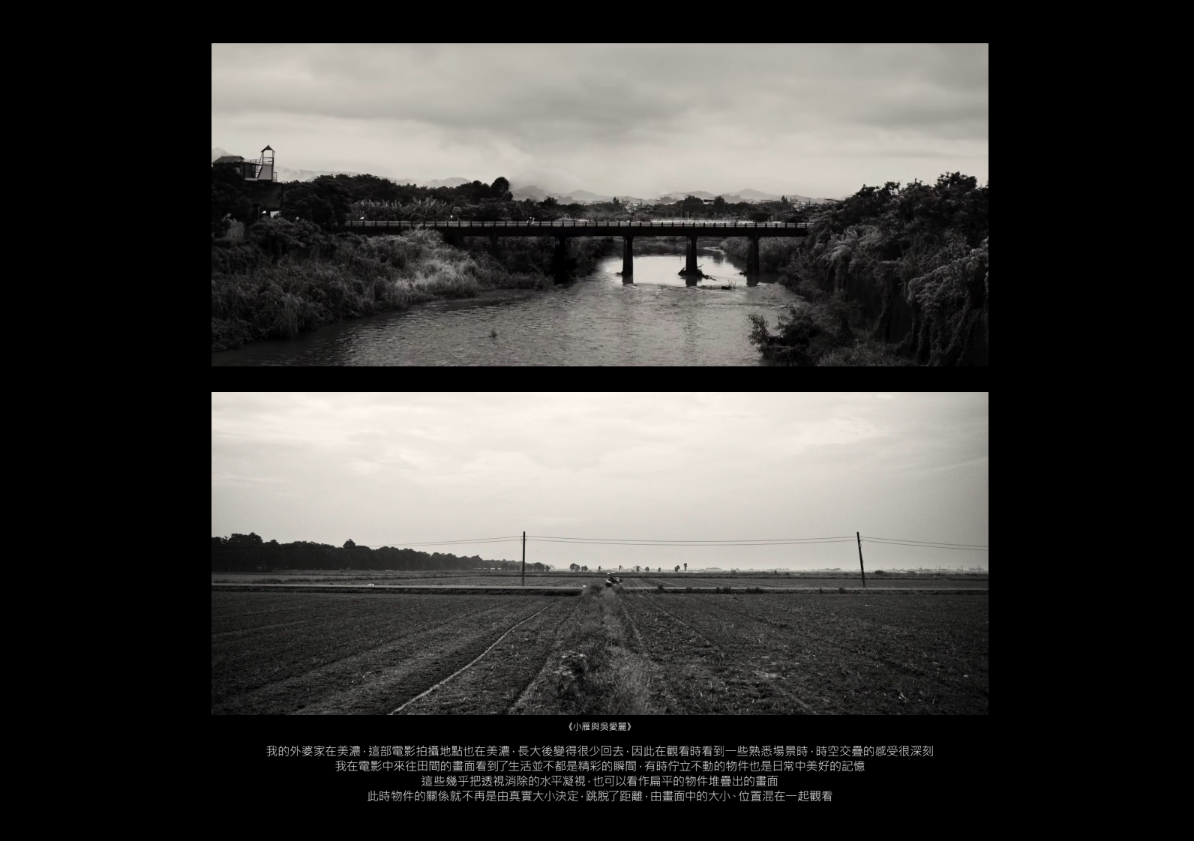
美濃是我童年回憶的場域,電影裡的風景引發我對記憶與現實交錯的感受。那些凝視田野、消除透視的畫面,讓我思考「觀看方式」與「畫面中的尺度關係」。
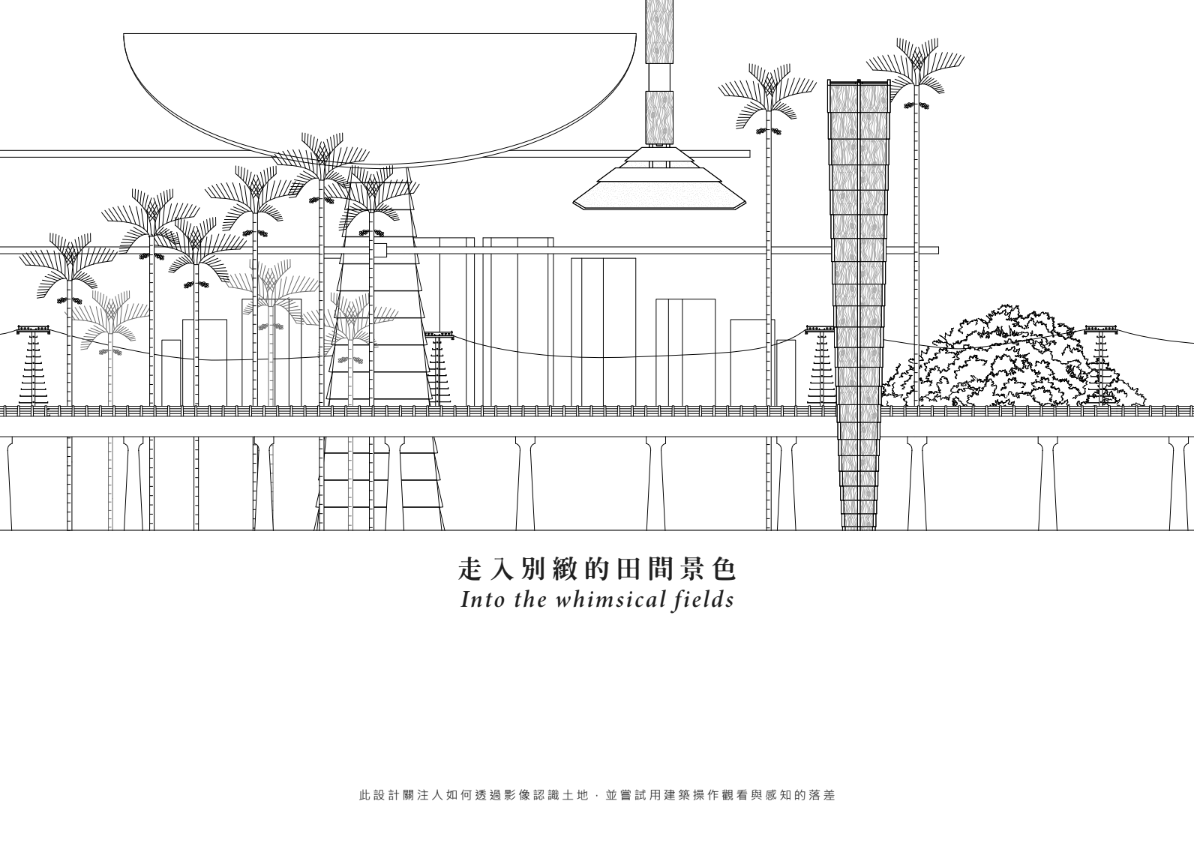
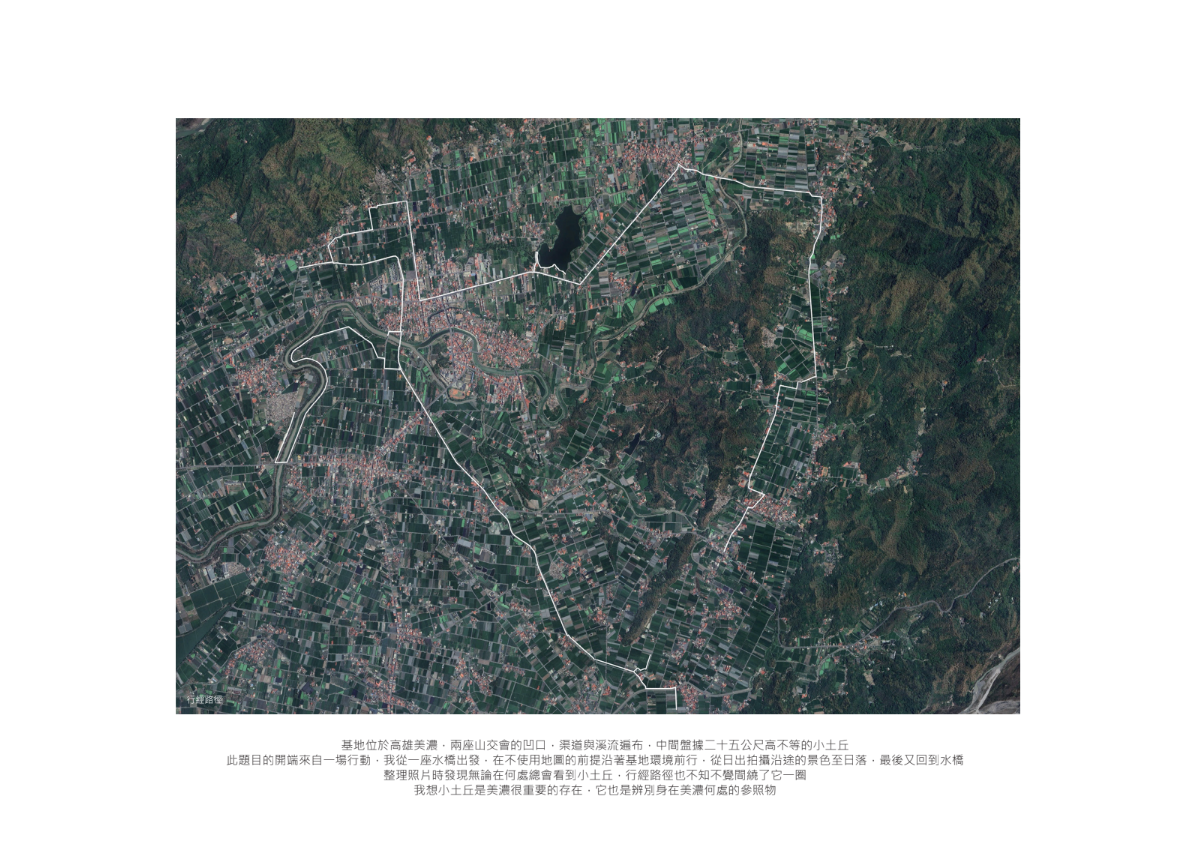
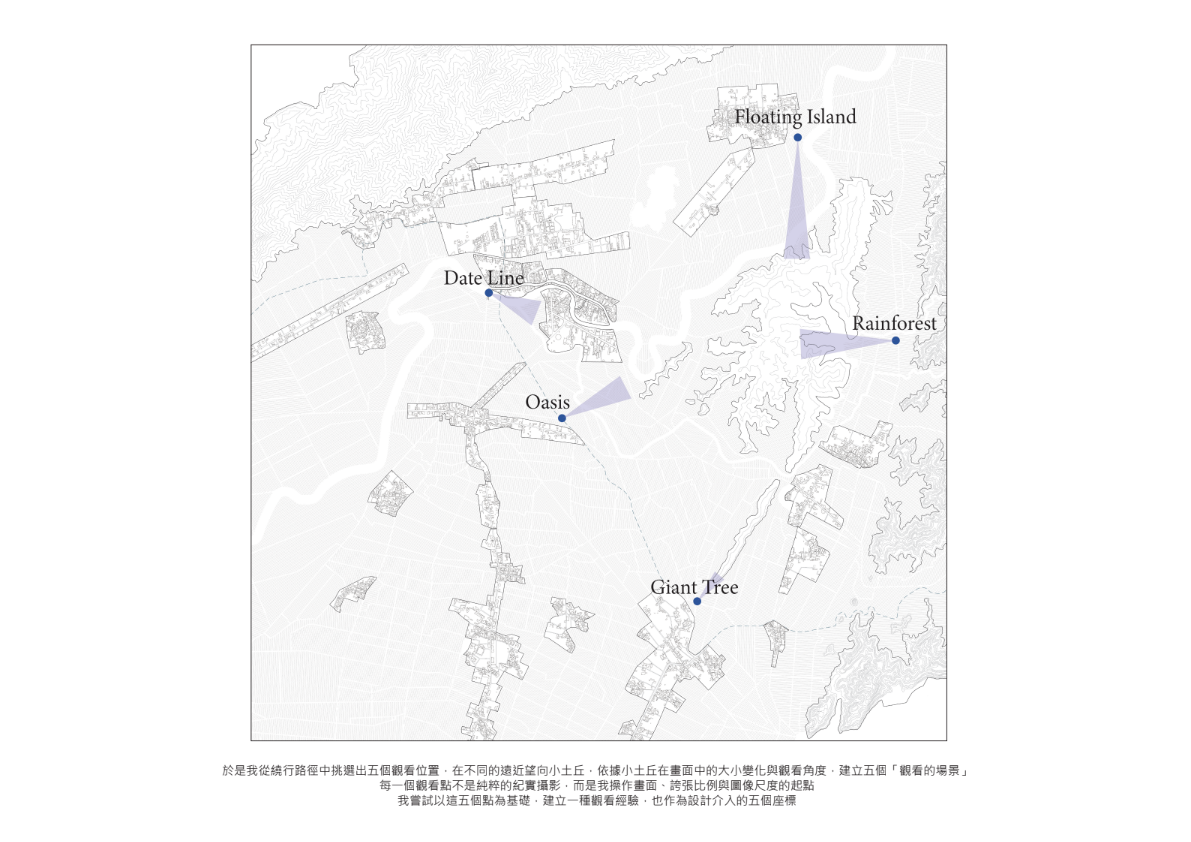
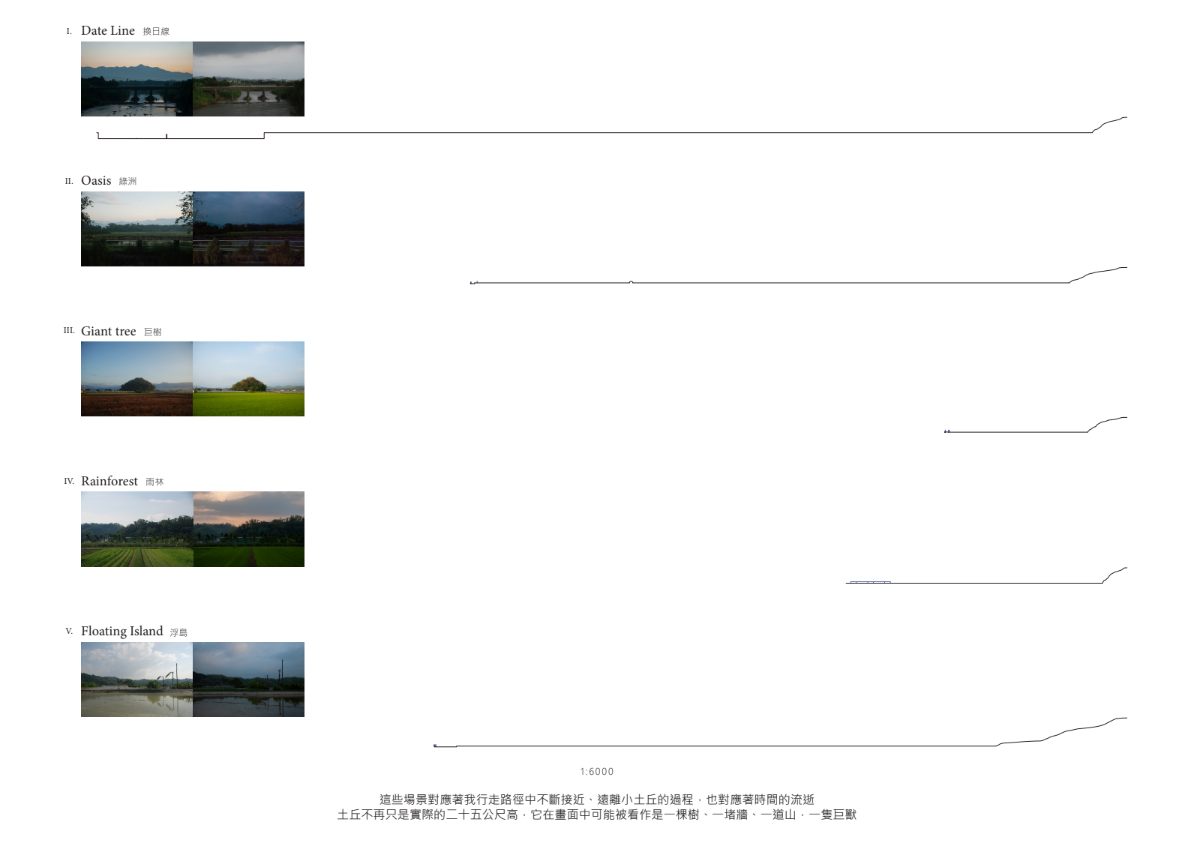
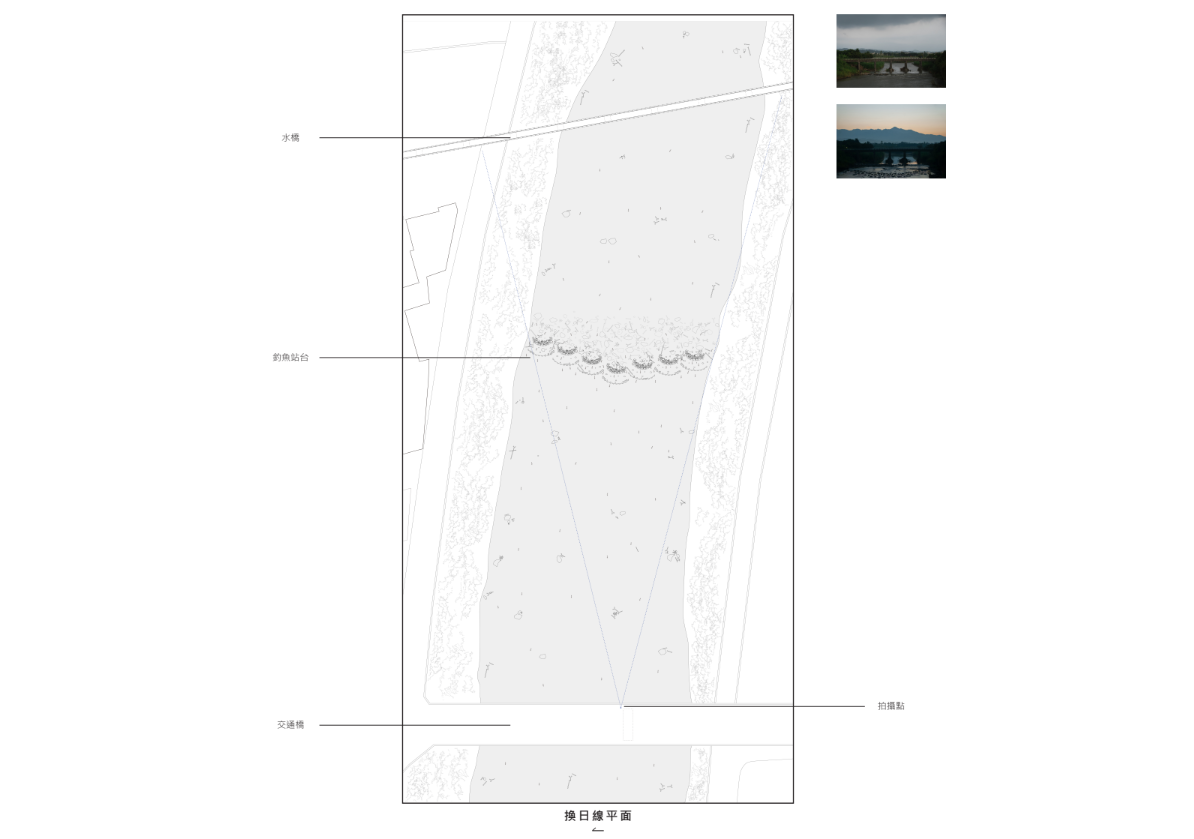
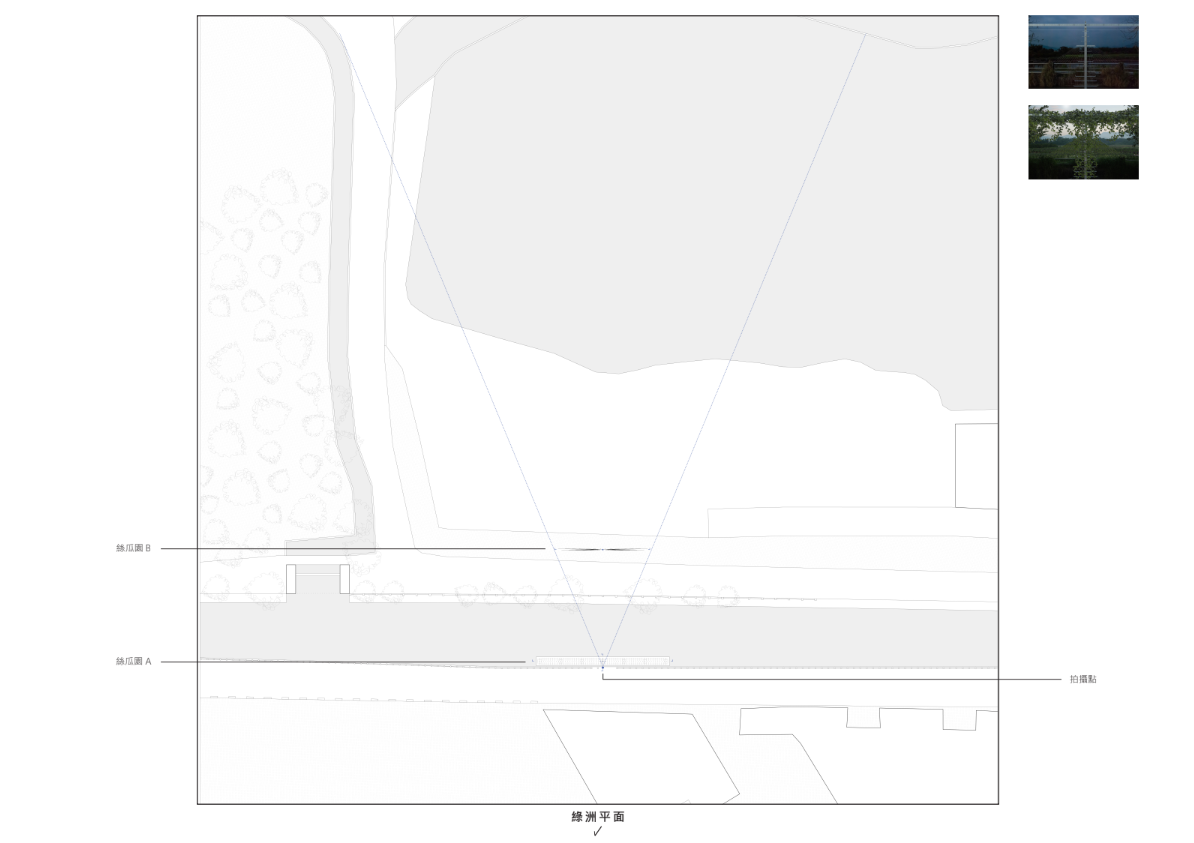
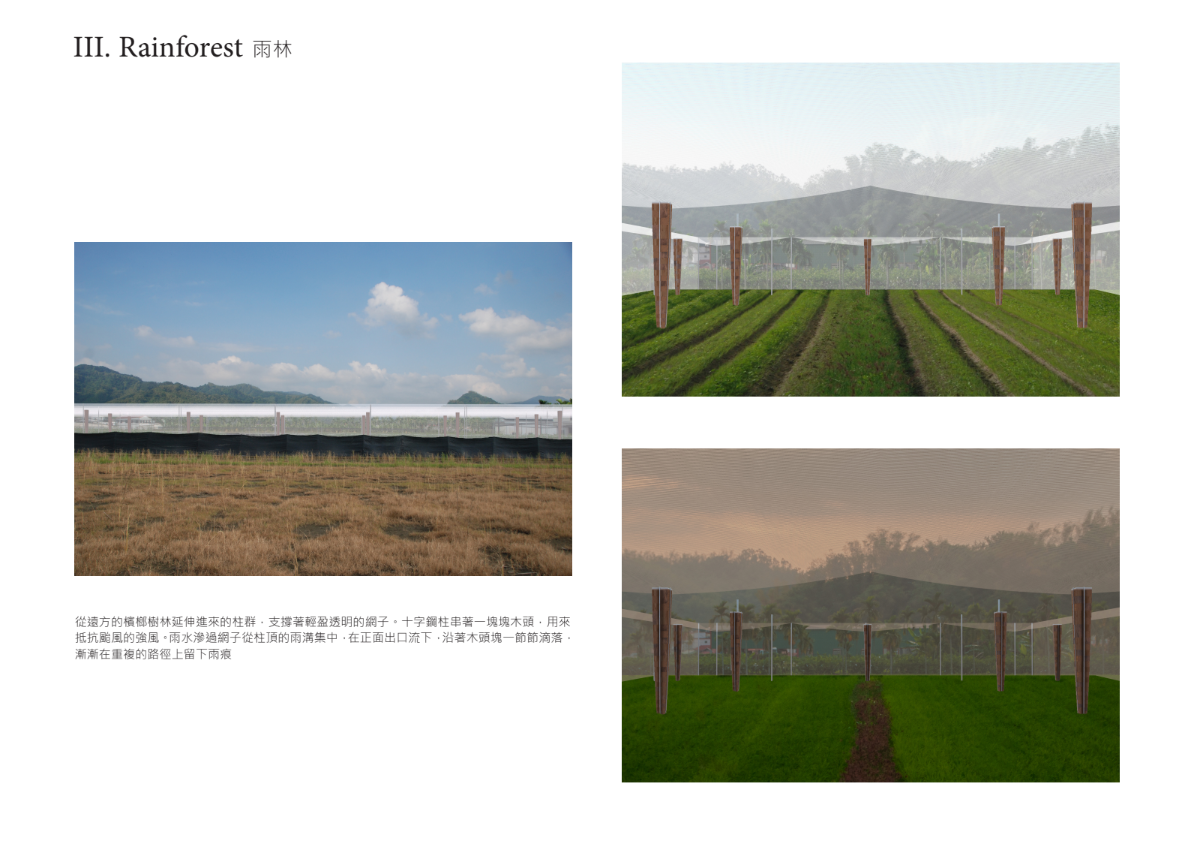
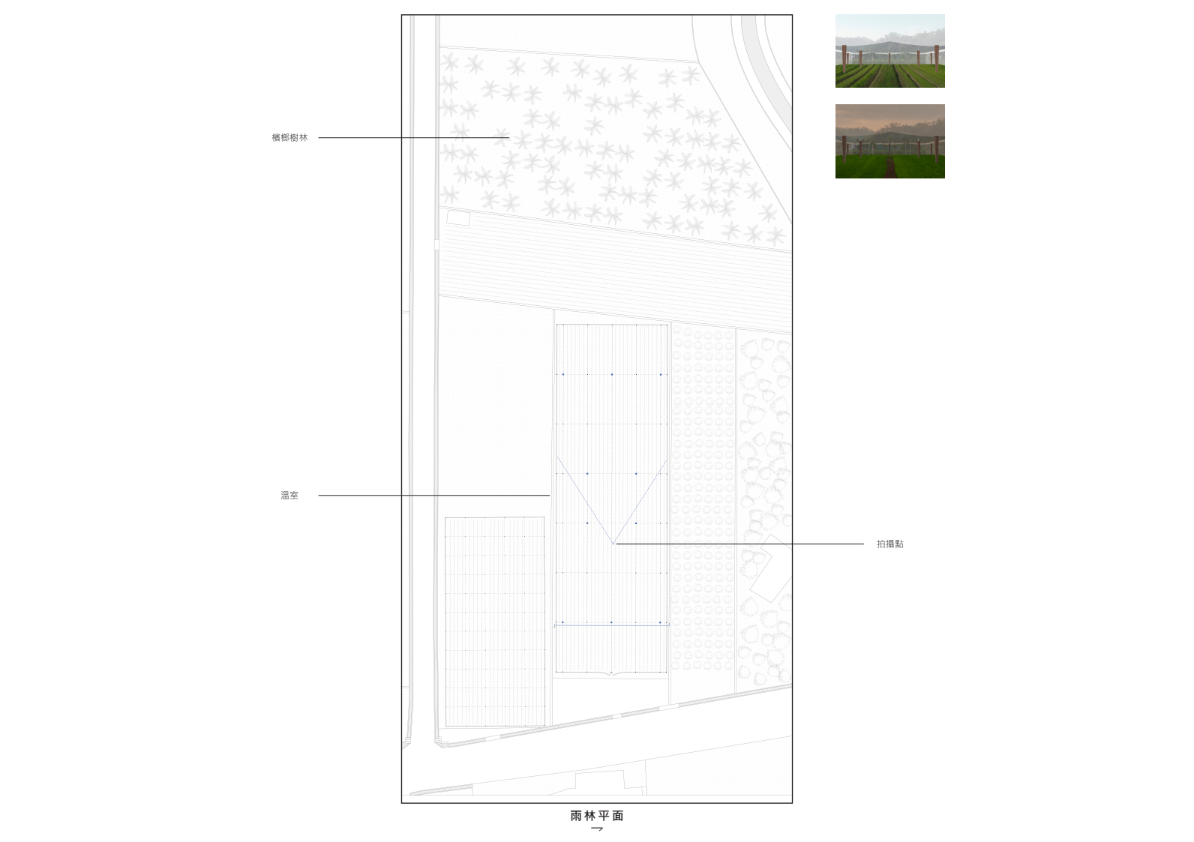
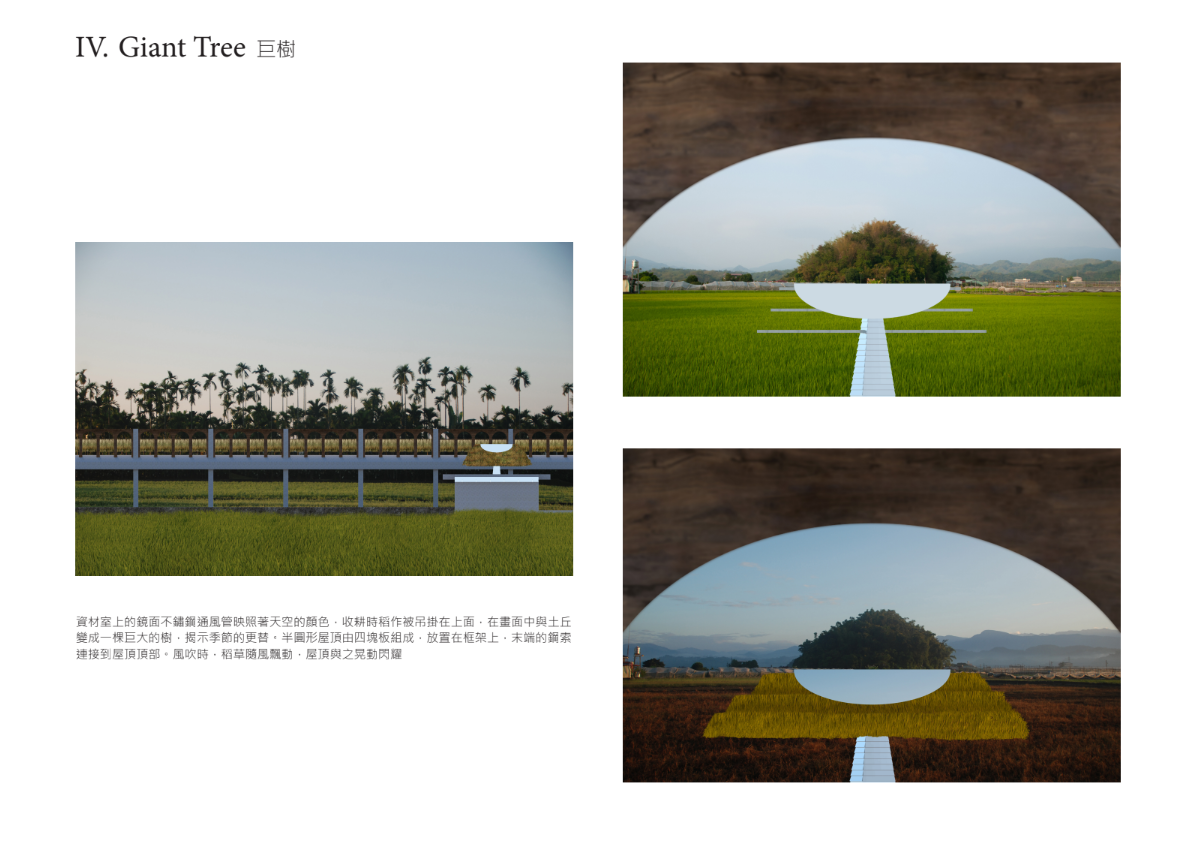
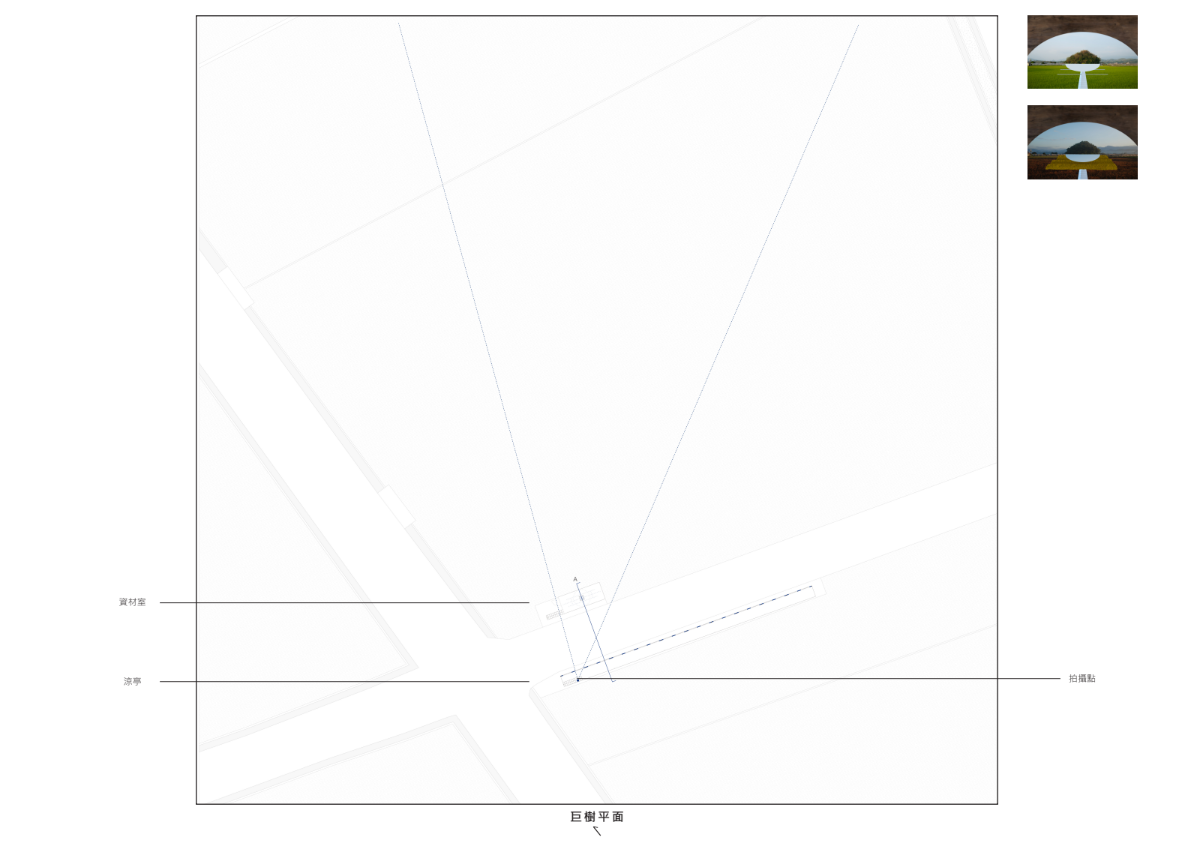
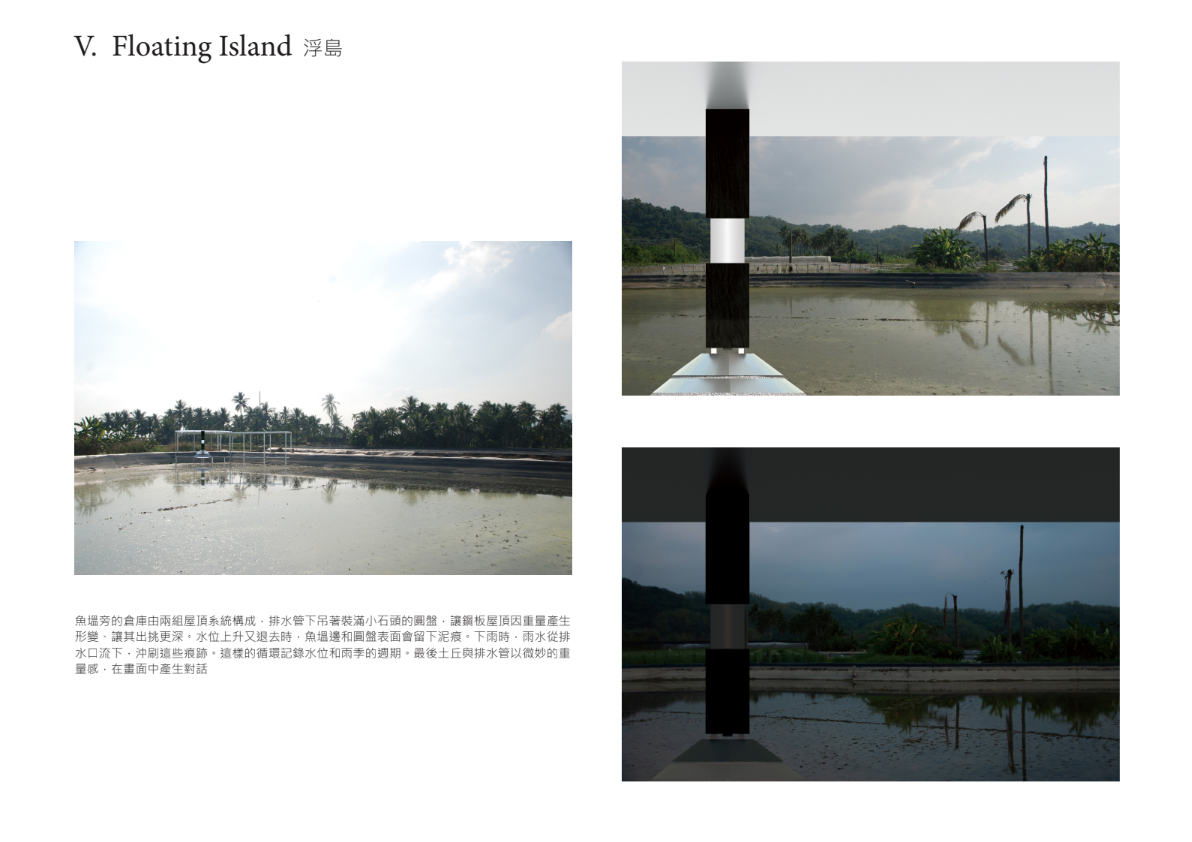
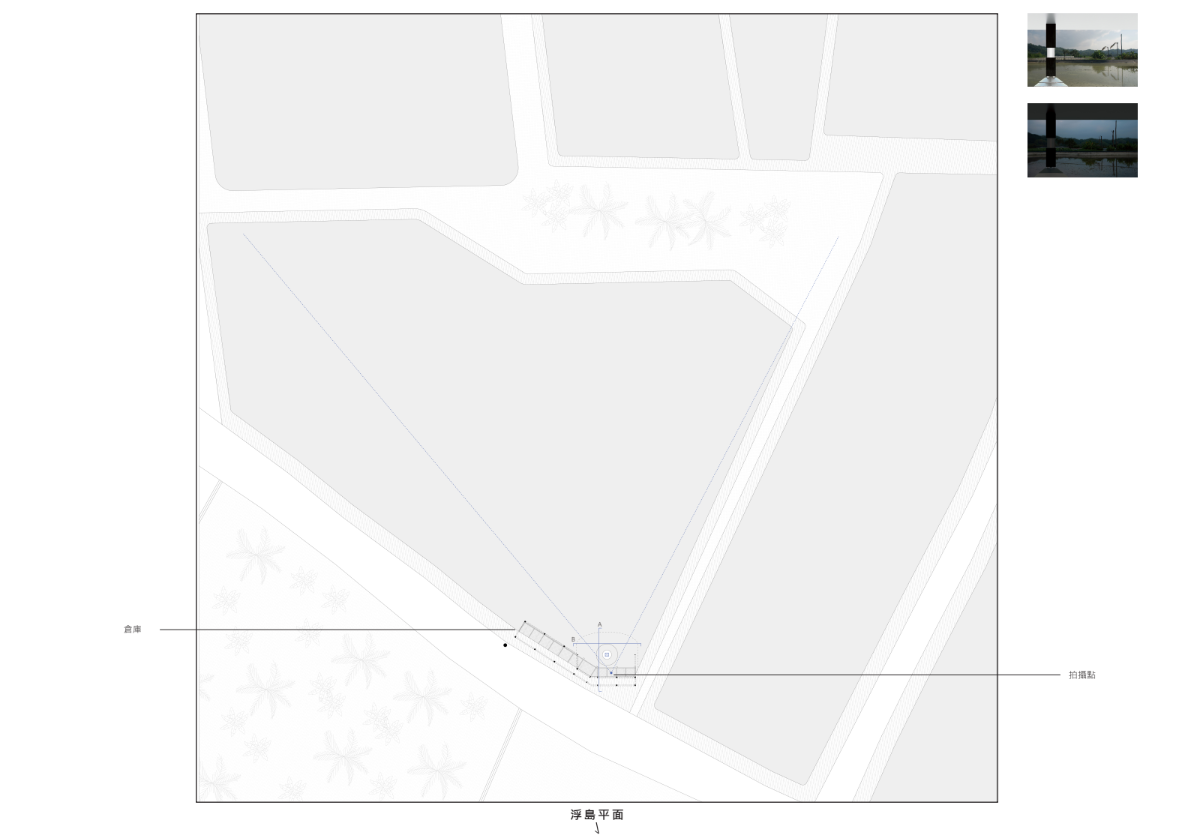
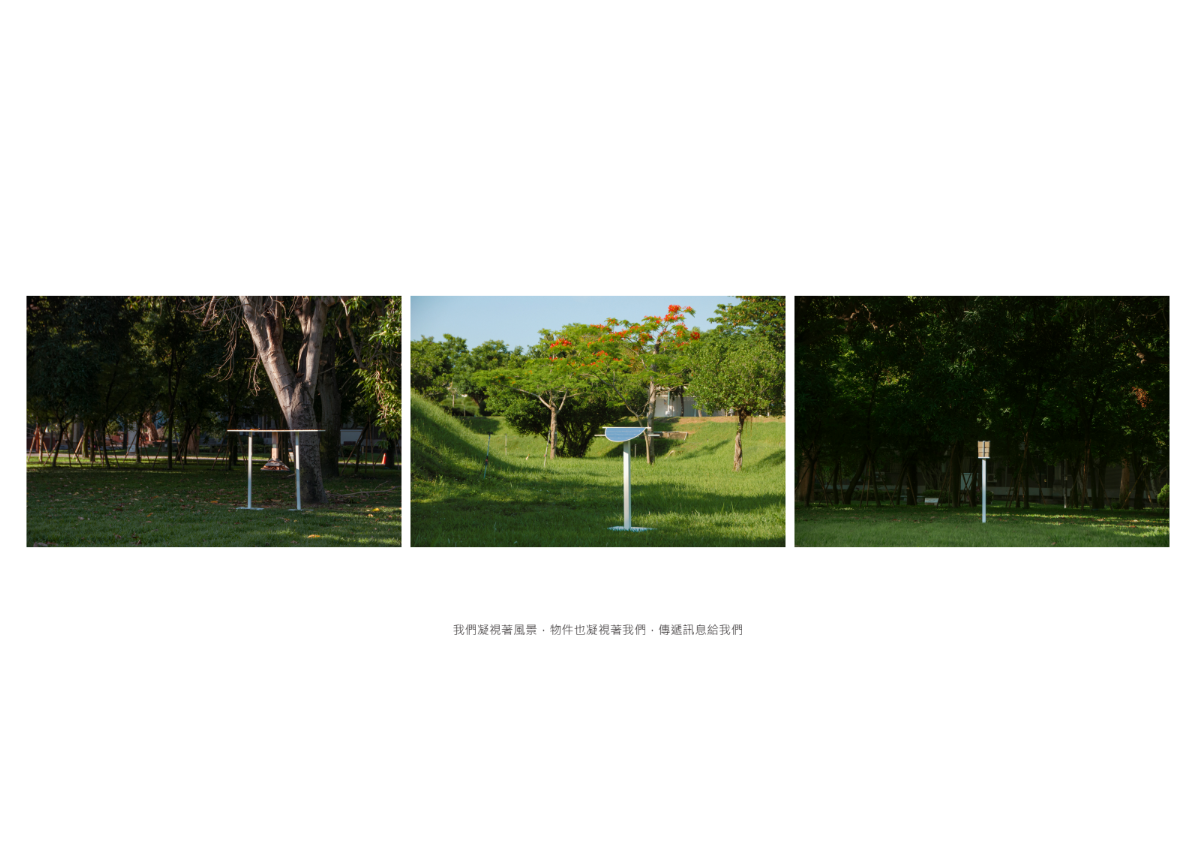
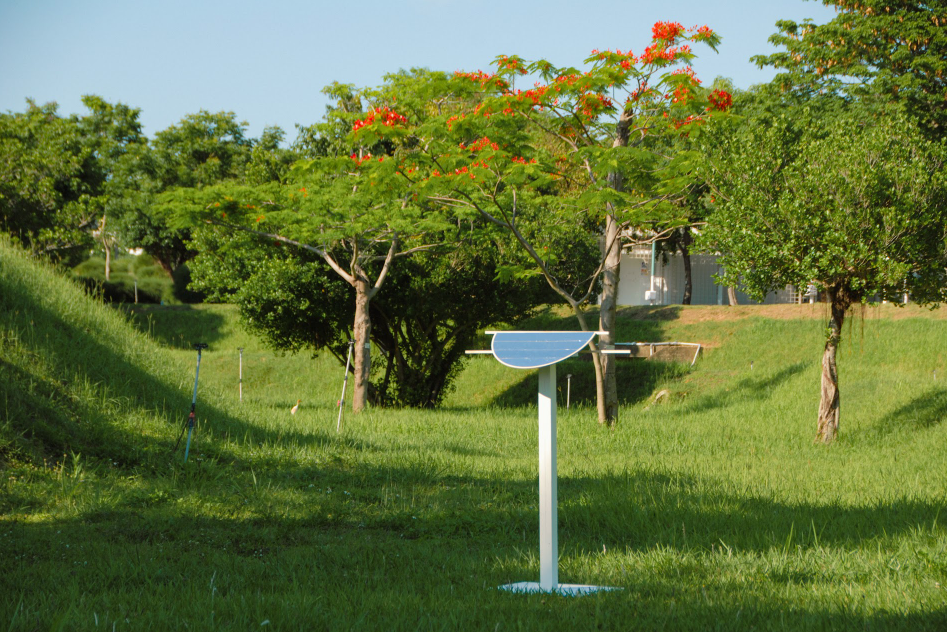
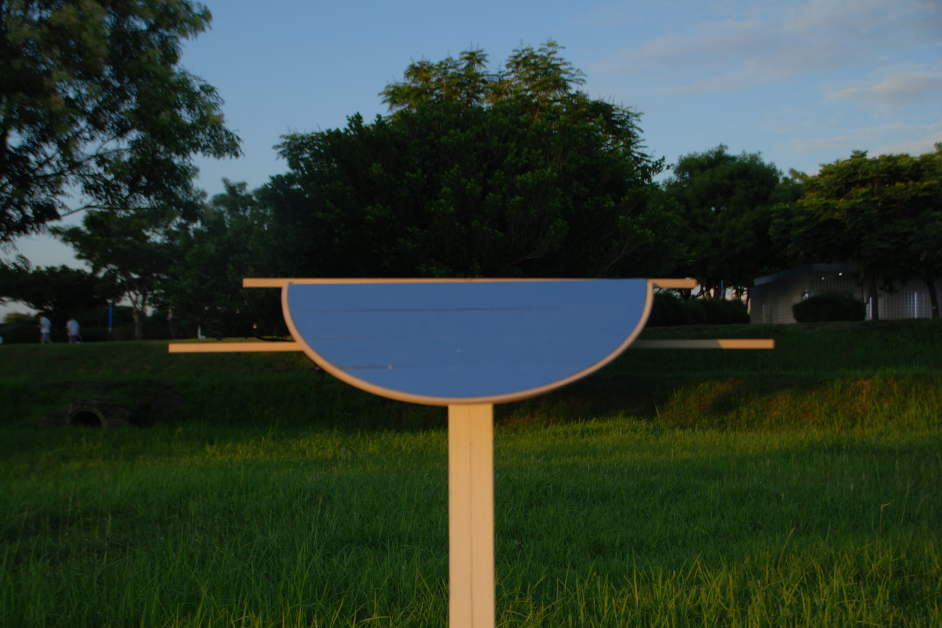
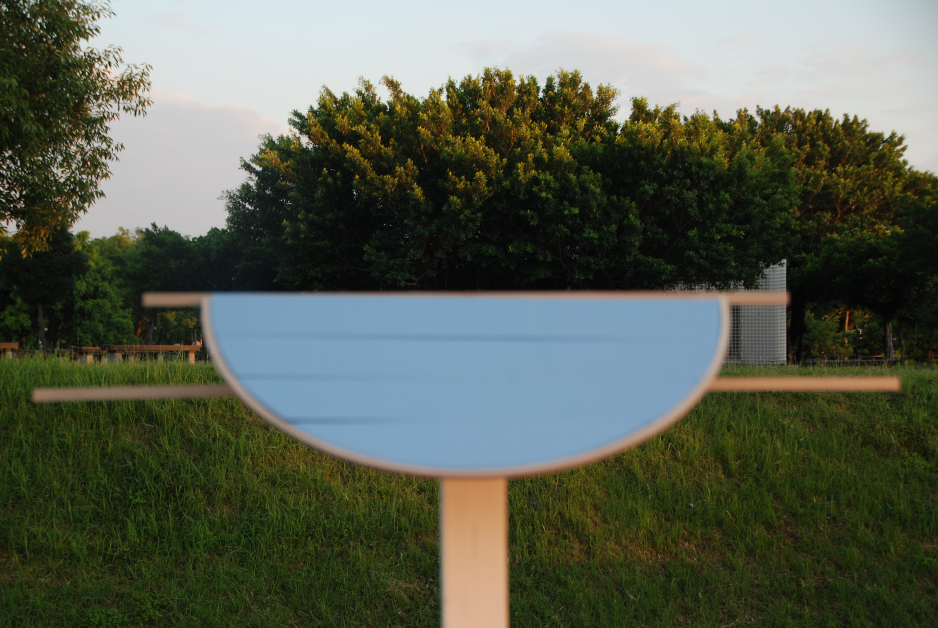
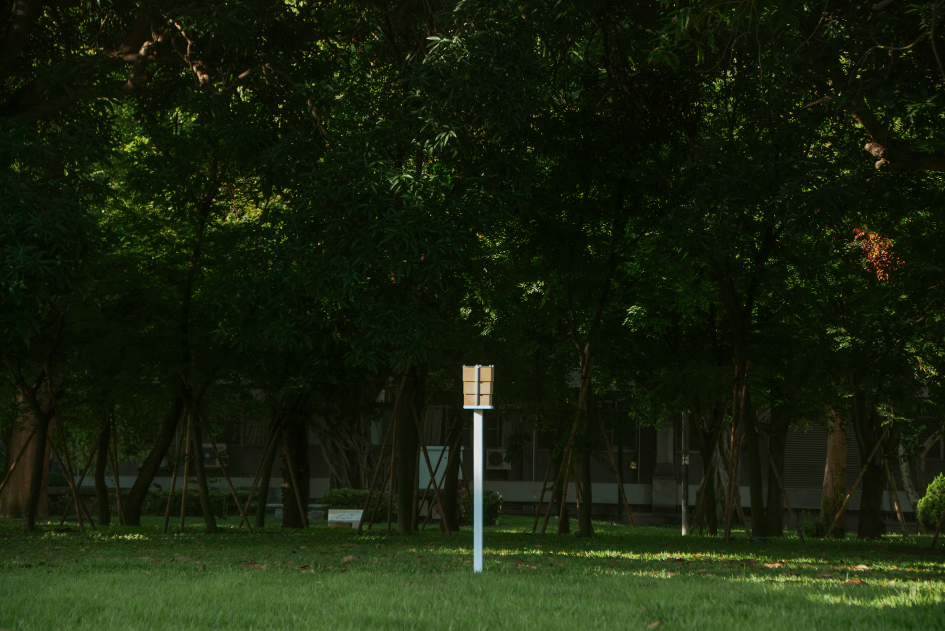
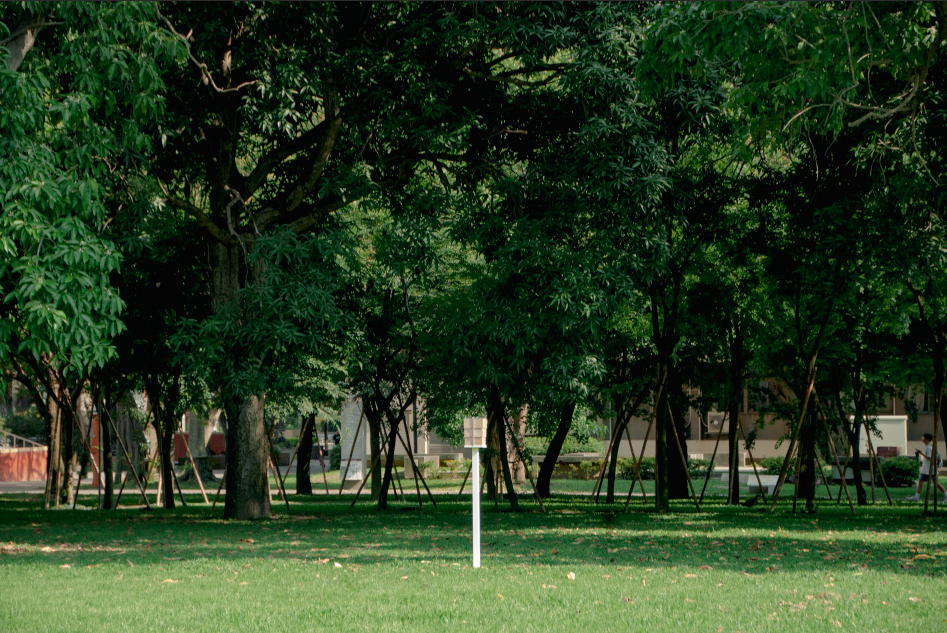
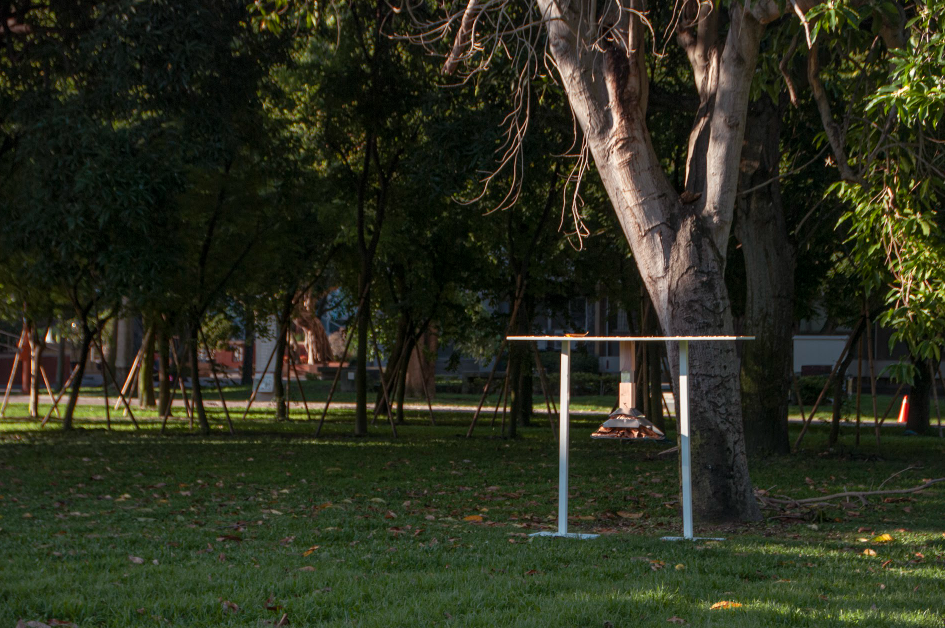
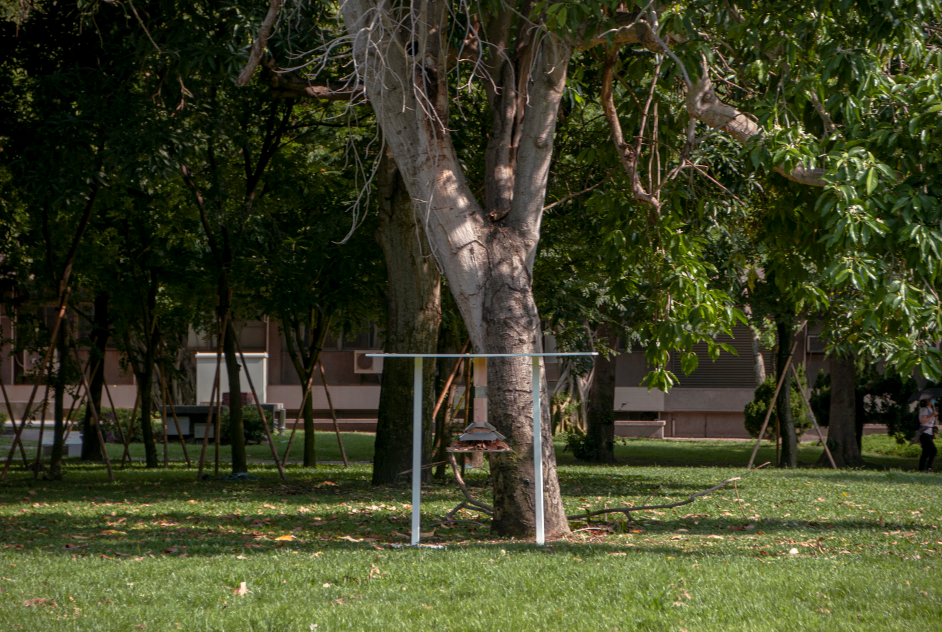
基地位於高雄美濃,兩座山之間,中間一座小土丘,總在我行走路徑中若隱若現。我選擇五個觀看點,從不同距離與視角操作圖像,誇張物件尺度,重構與土丘的關係。這些影像非紀實,而是觀看與感知的操作。
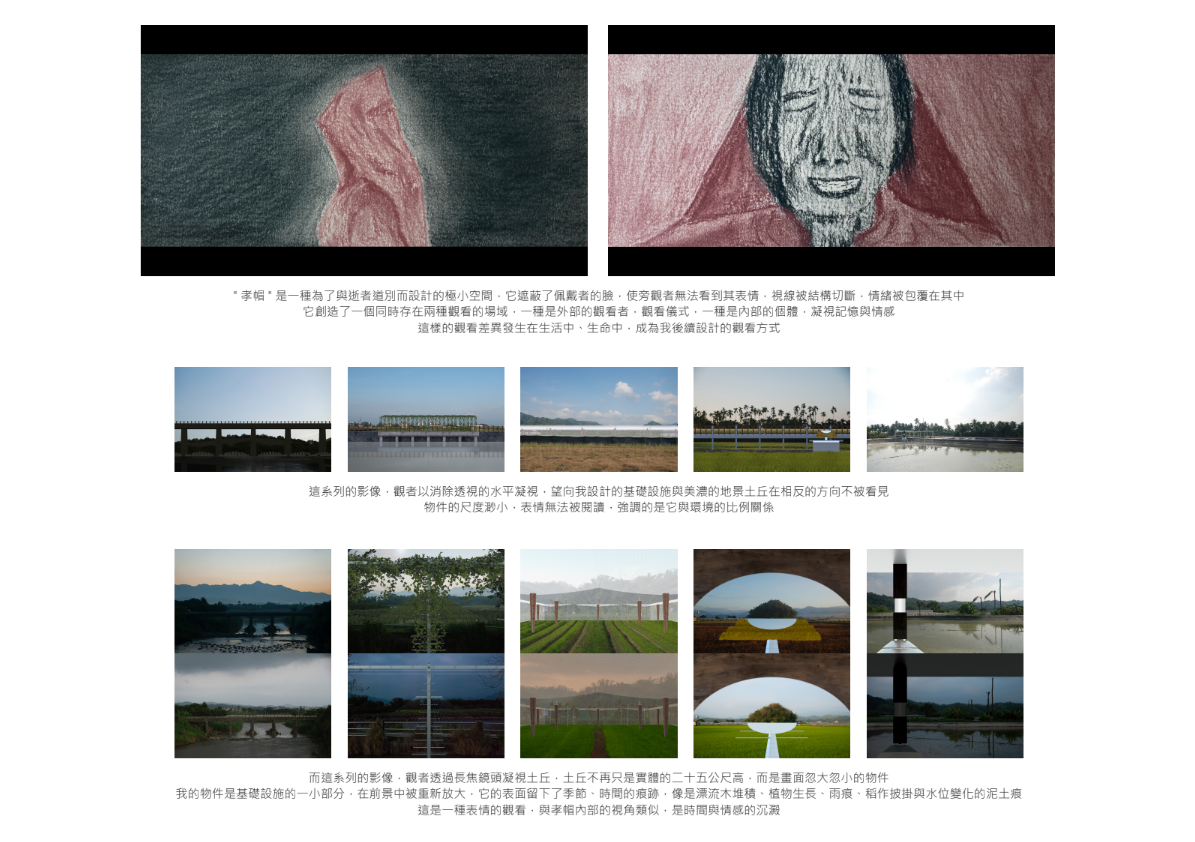
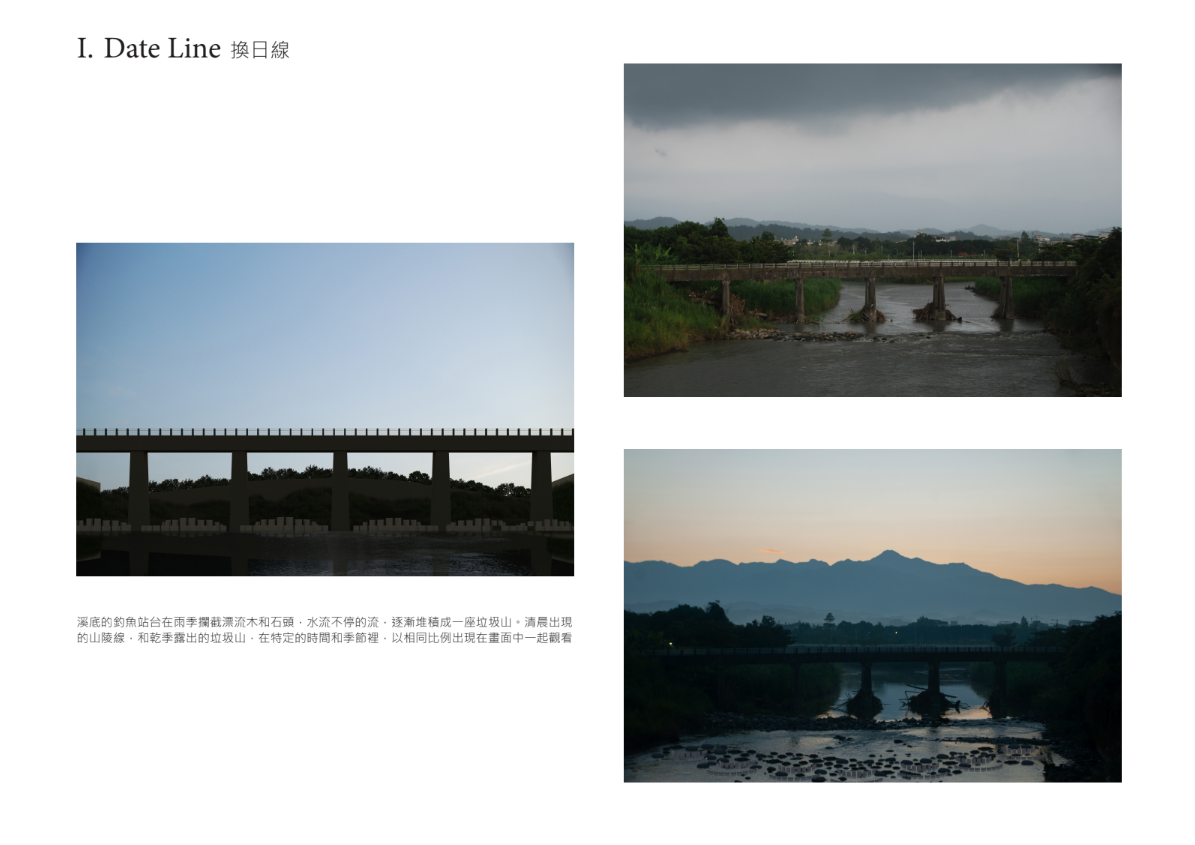
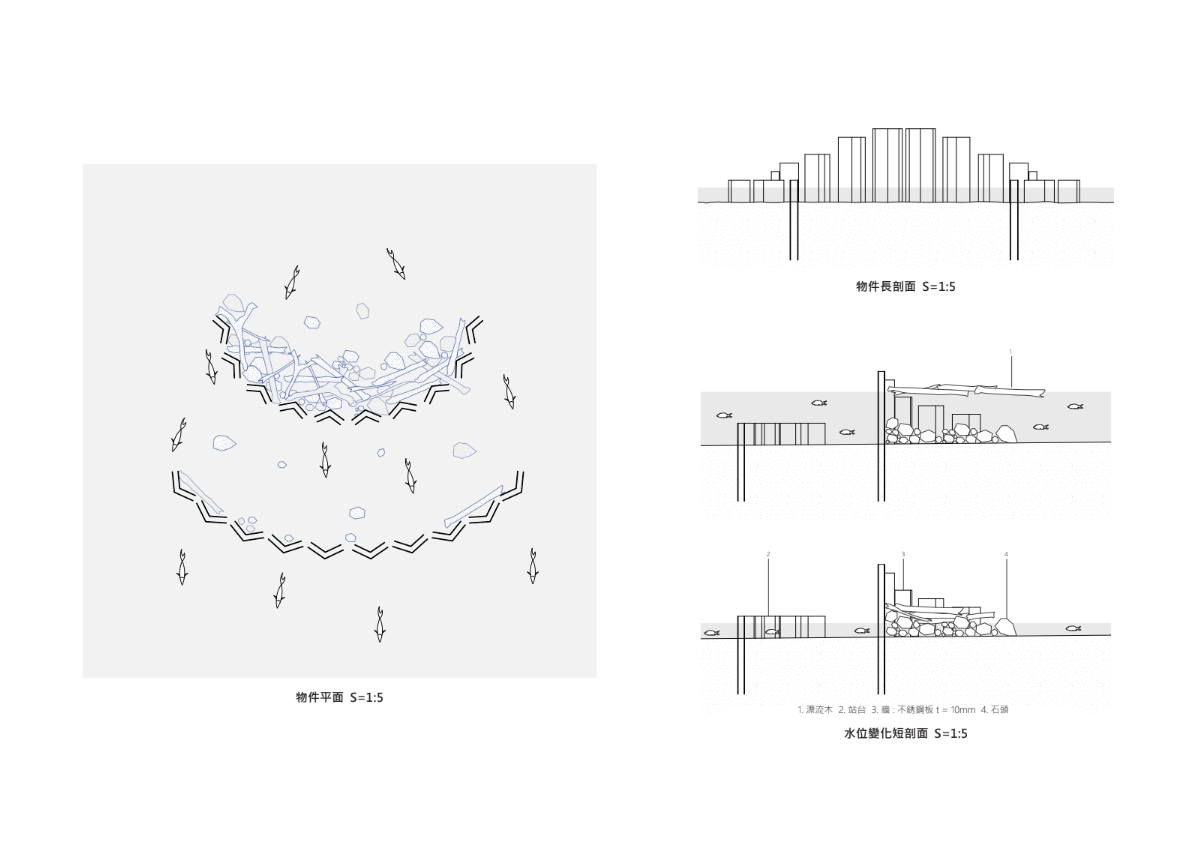
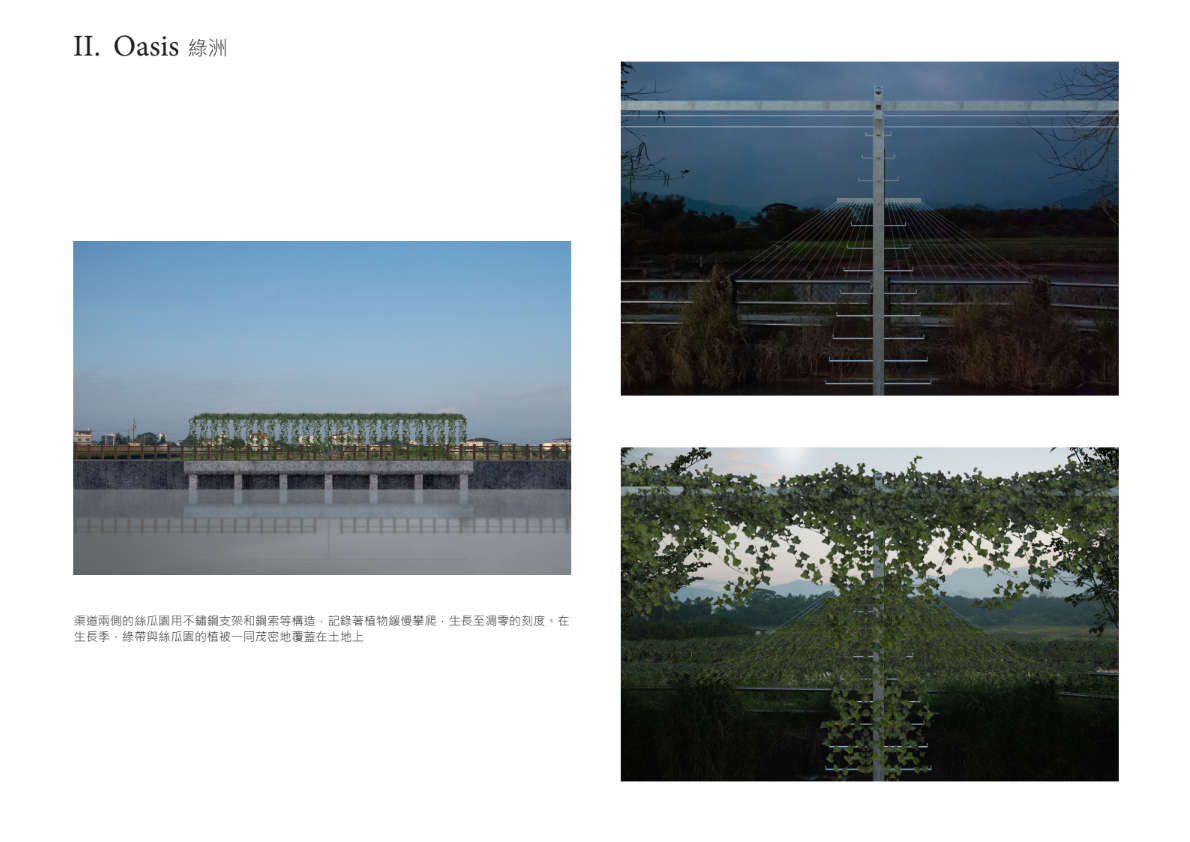
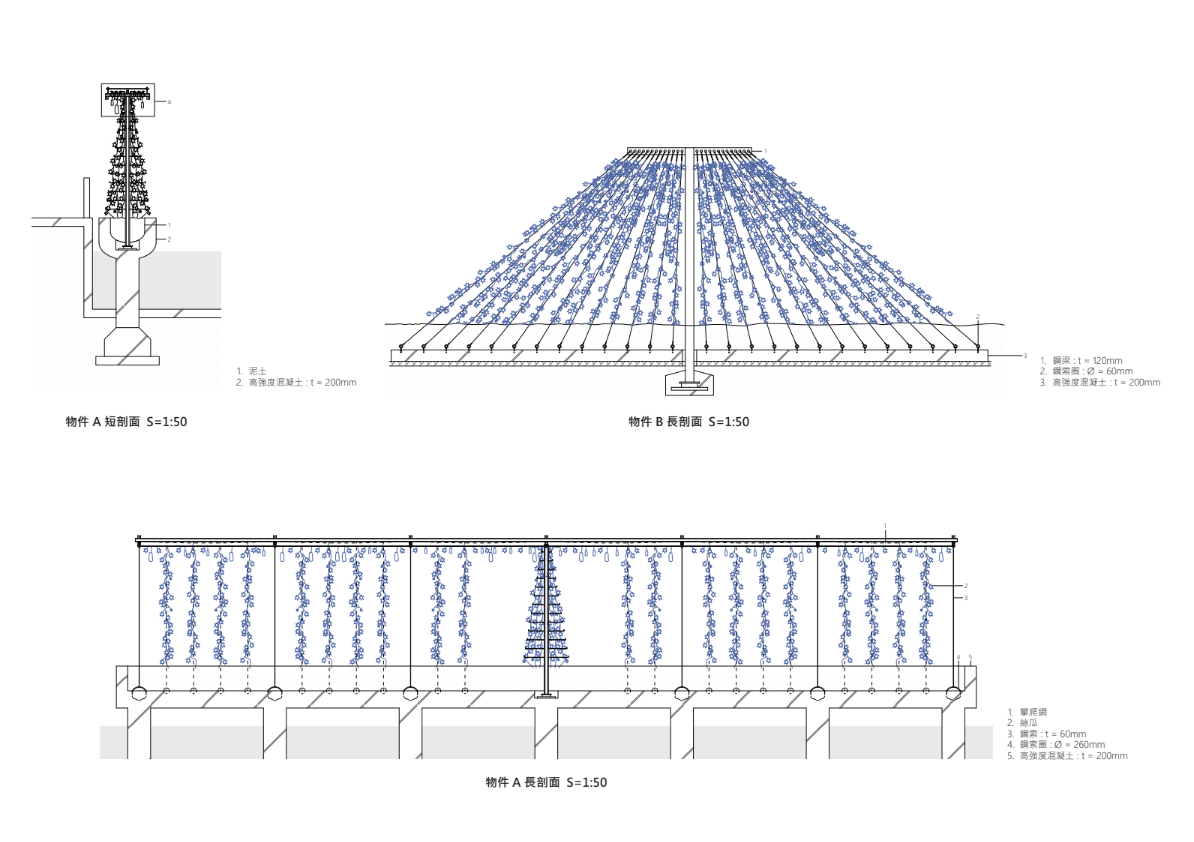
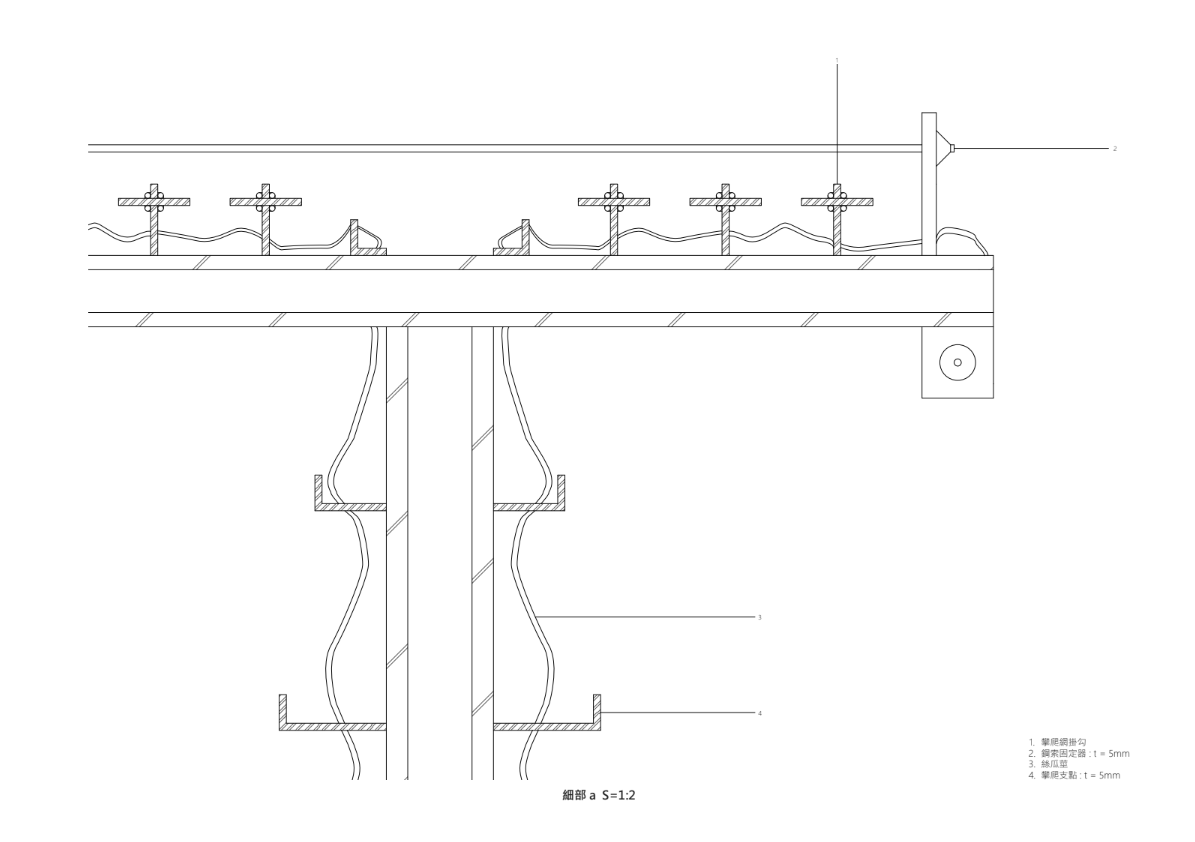
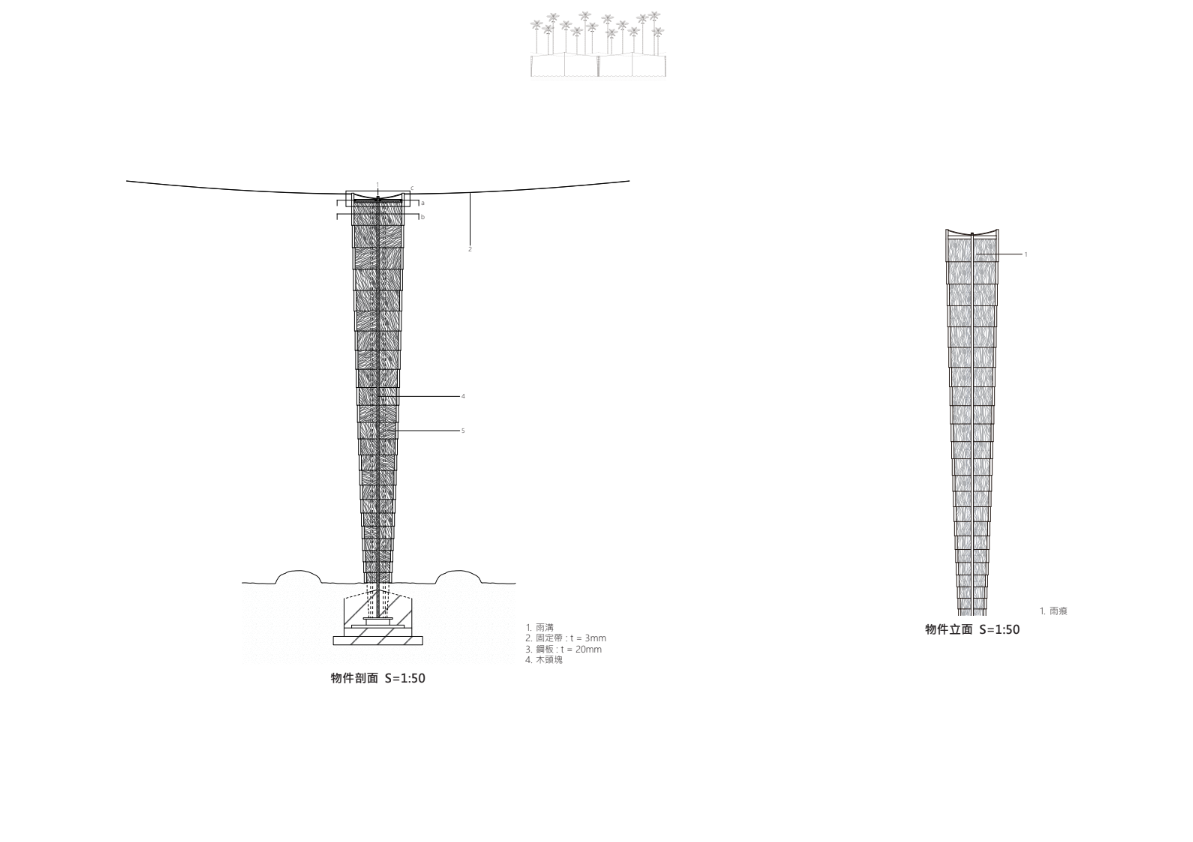
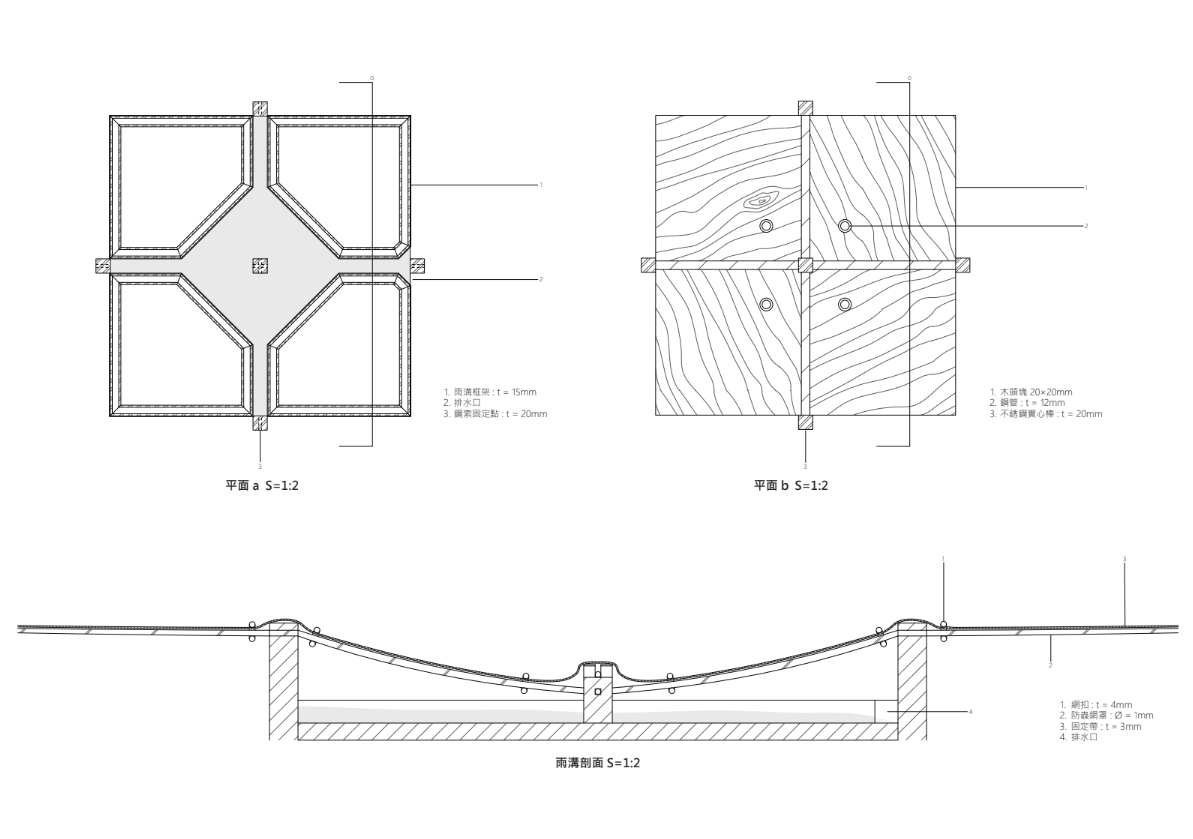
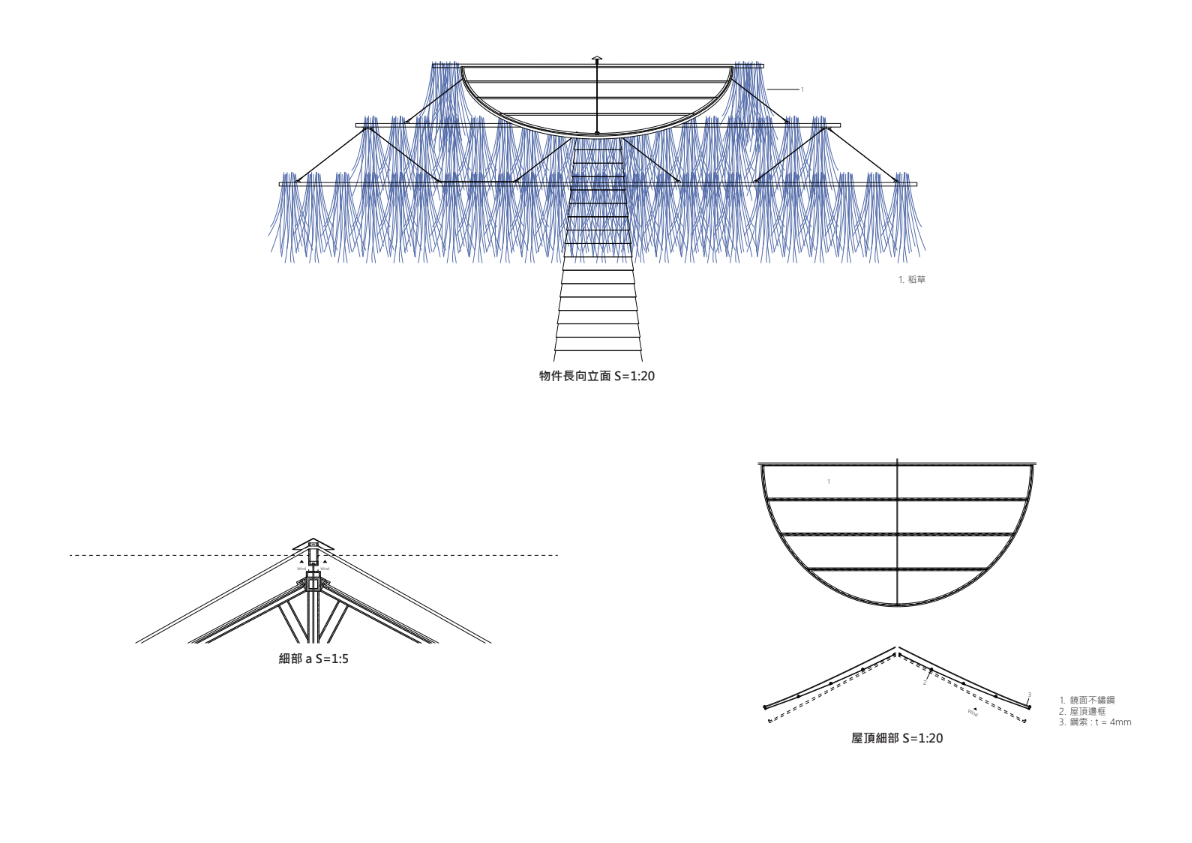
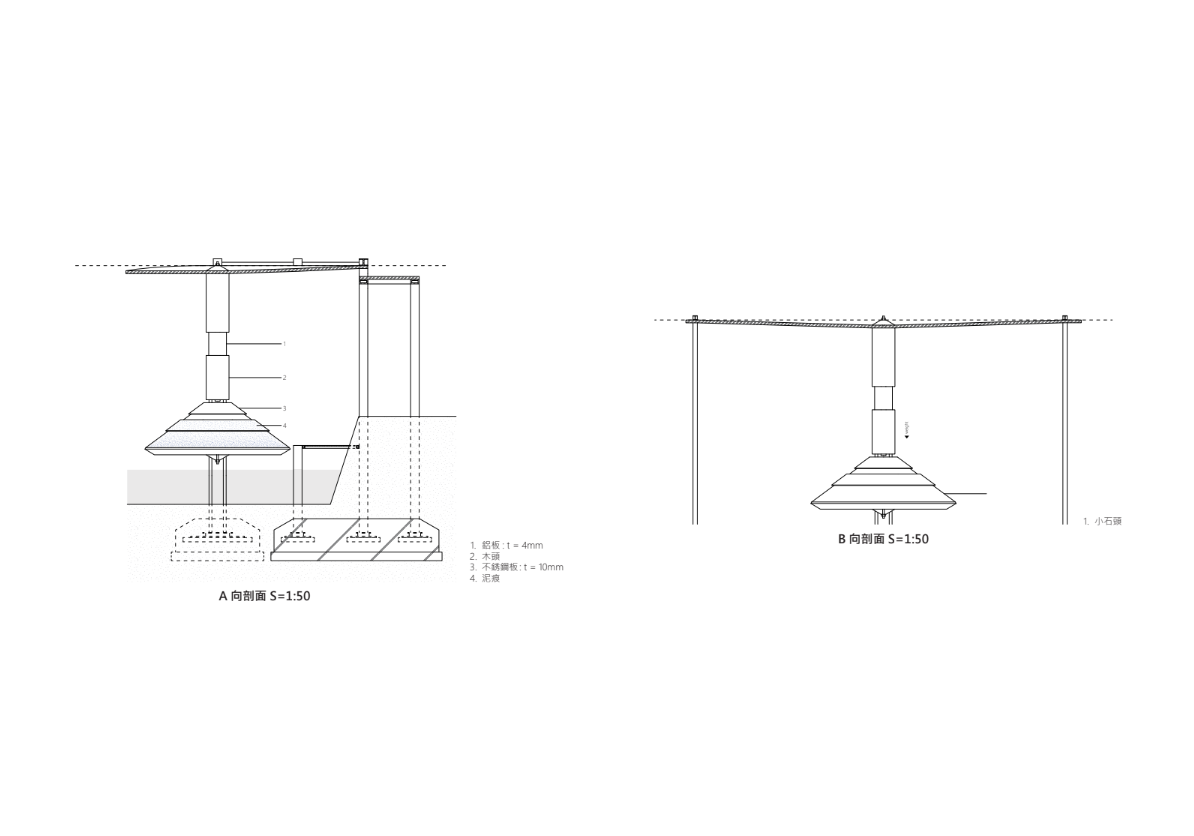
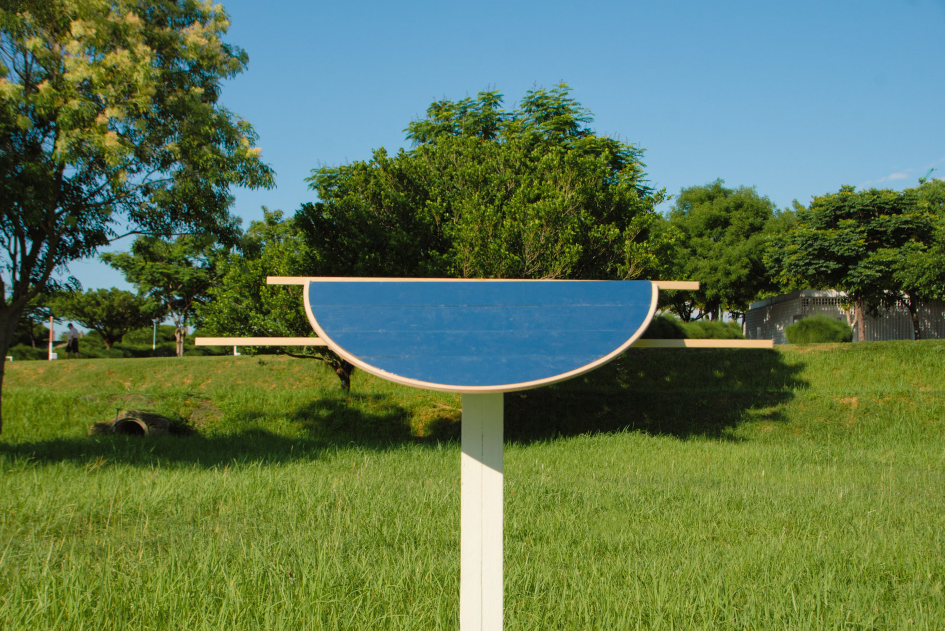
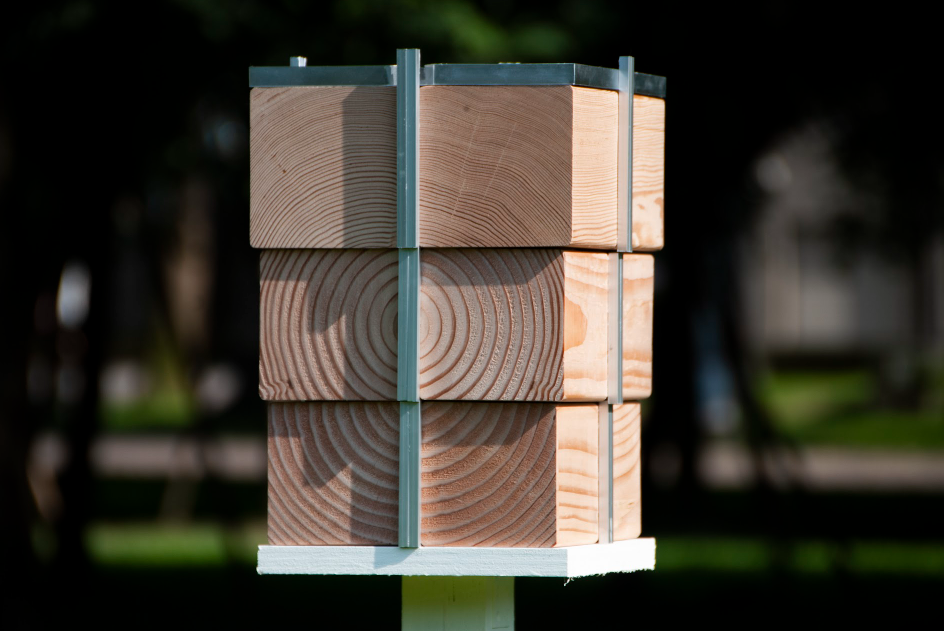
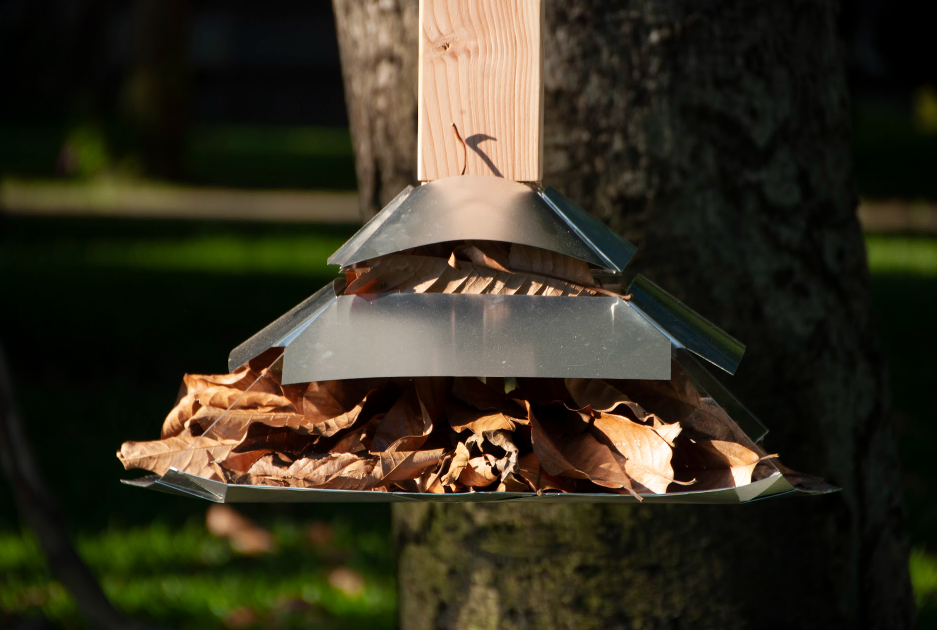
我以「孝帽」作觀看隱喻,創造兩種視線,一是外部觀看者凝視,一是內部沉靜情感包覆。設計亦然,一方面以水平凝視將物件與地景置於同一畫面,一方面以特寫鏡頭觀看物件表面季節痕跡,雨痕、植物興衰、水位變化的泥土痕與漂流木堆積。
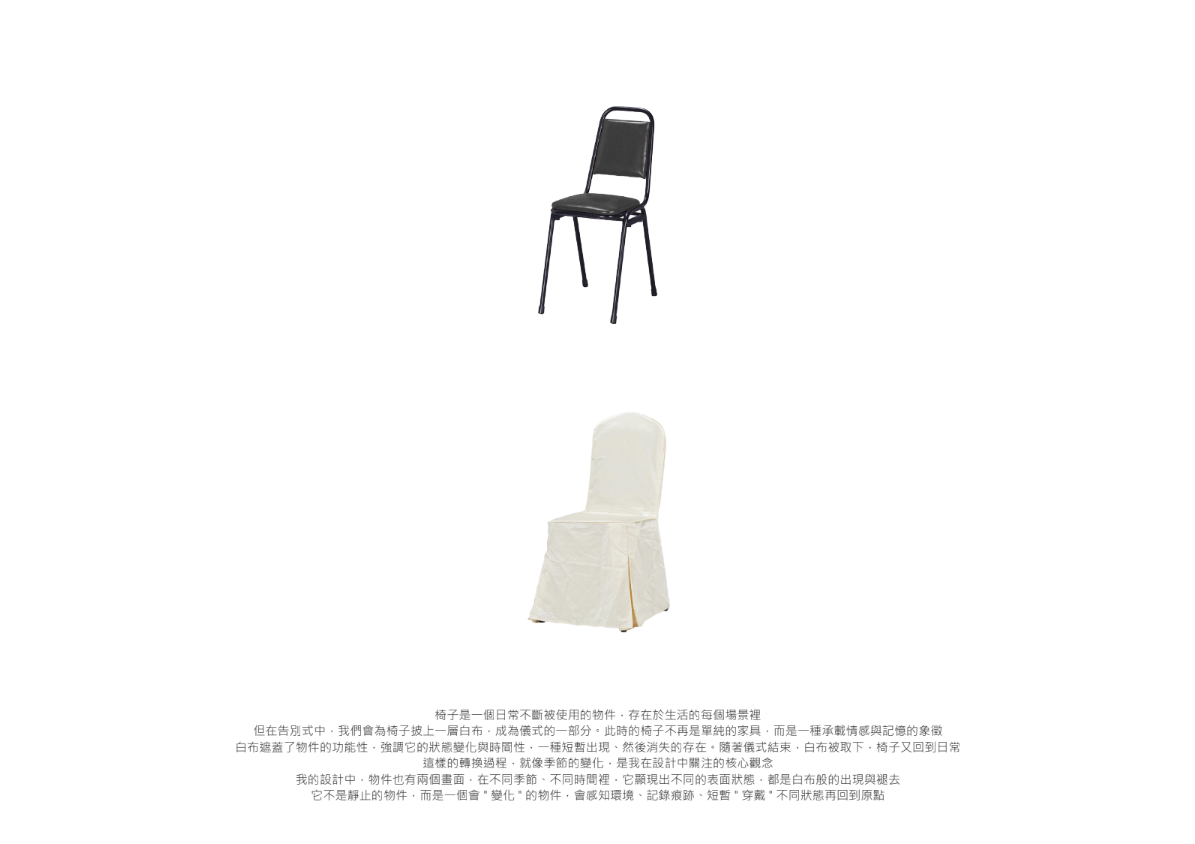
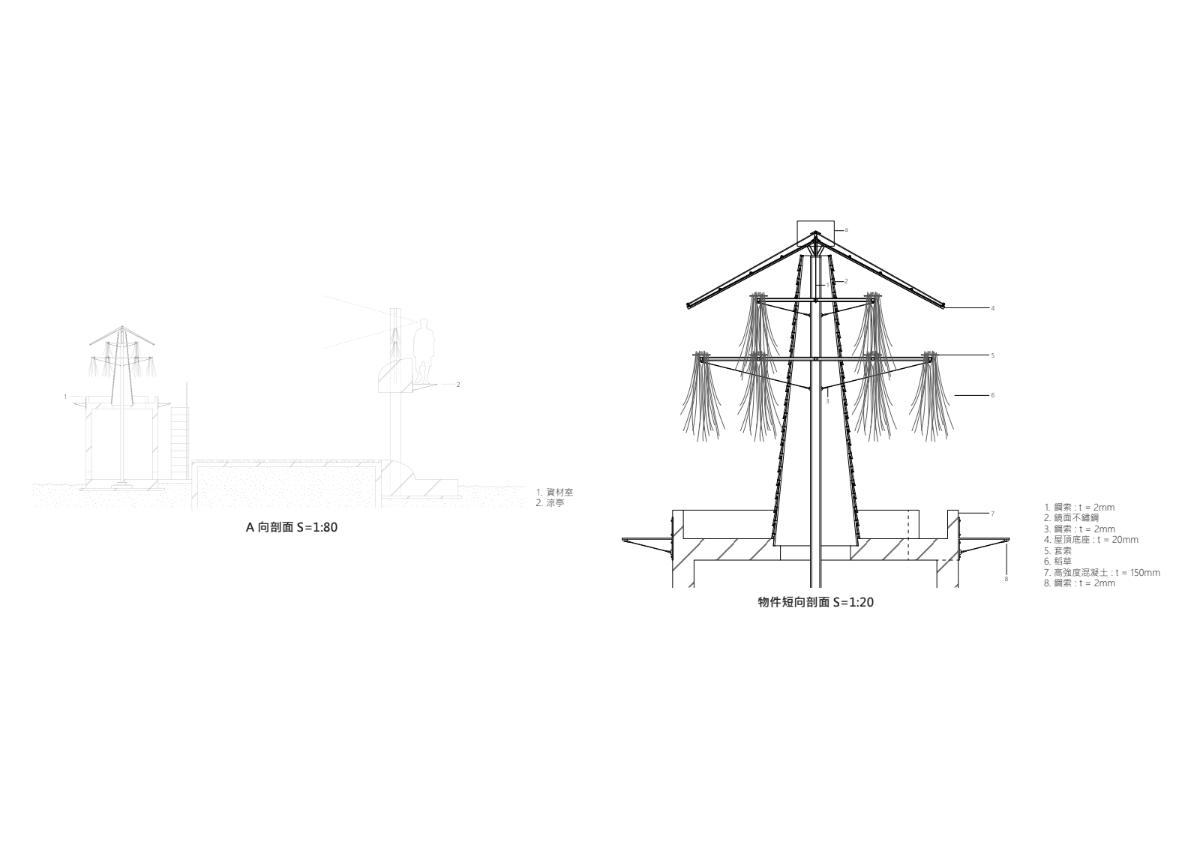
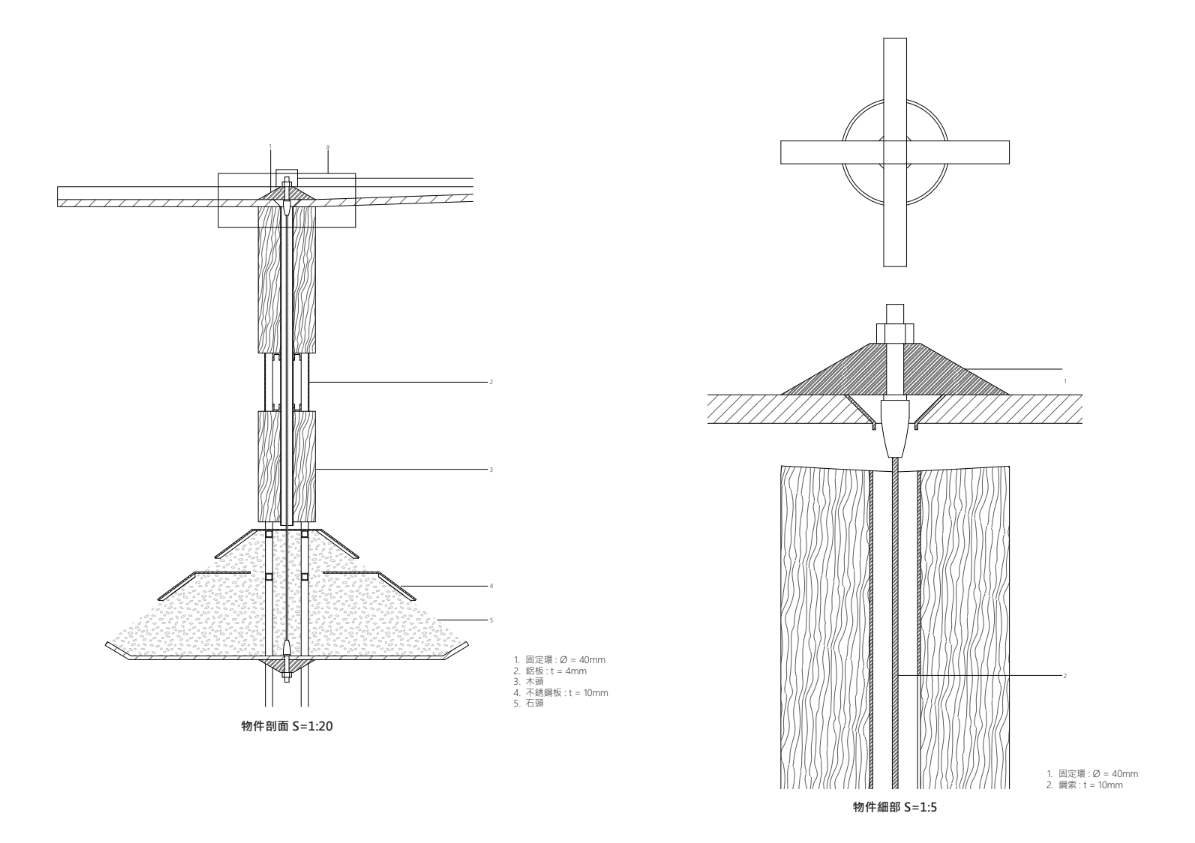
如儀式中披白布的椅子,物件意義與外觀隨時間變化。我的設計非靜態形式,而是能感知環境、穿戴不同狀態的基礎設施。這些物件在不同時序中留下時間表情,成為環境的記錄者,最終在凝視風景同時,也反映我們對土地的觀看與記憶。
–
Into the Subtle Landscape of the Fields
Before arriving on site, our understanding of a place often comes from fragmented images—like postcards capturing a dramatic moment, yet missing the subtle changes of time and the senses.
Set in Meinong, Kaohsiung—my childhood landscape—the project explores how memory and reality intertwine. Positioned between two mountains with a small hill in between, the site constantly shifts in visibility along my walking path.
Through five viewpoints, I manipulate scale and image to reframe the relationship between objects and the land. Inspired by the metaphor of the mourning hat (孝帽), the design creates two perspectives: an external gaze and an internal, quiet intimacy.
The architecture captures seasonal traces—rain marks, plant cycles, shifting water lines—through horizontal views and close-up details. Like ritual chairs draped in white cloth, the structures evolve with time, becoming responsive infrastructures that document the environment.
Ultimately, these objects reflect not only the changing landscape but also how we perceive and remember the land.