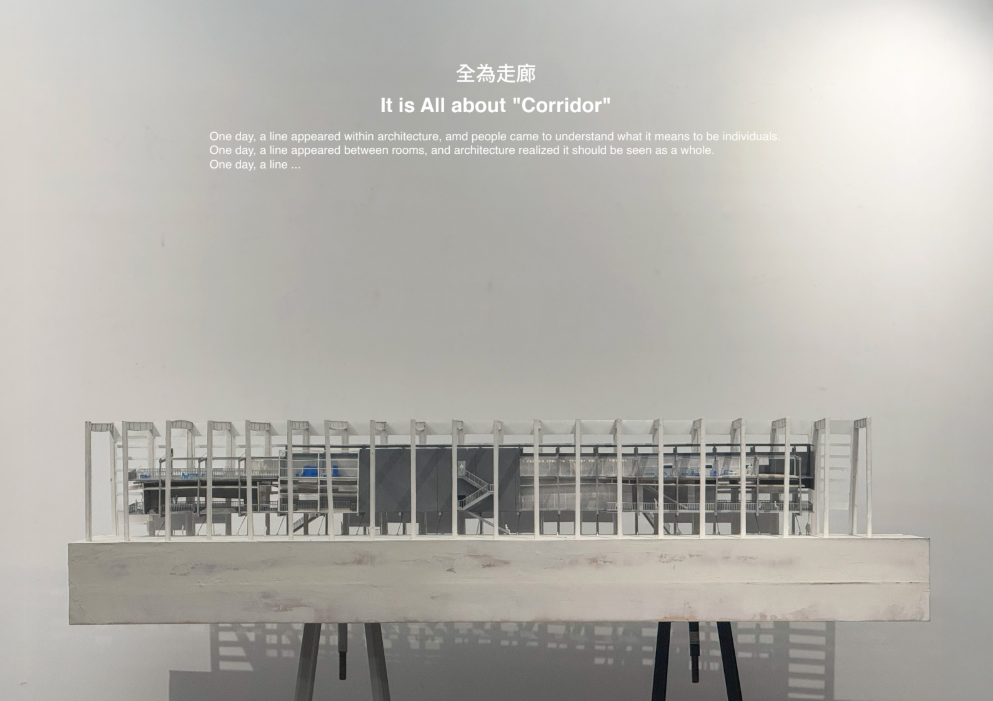
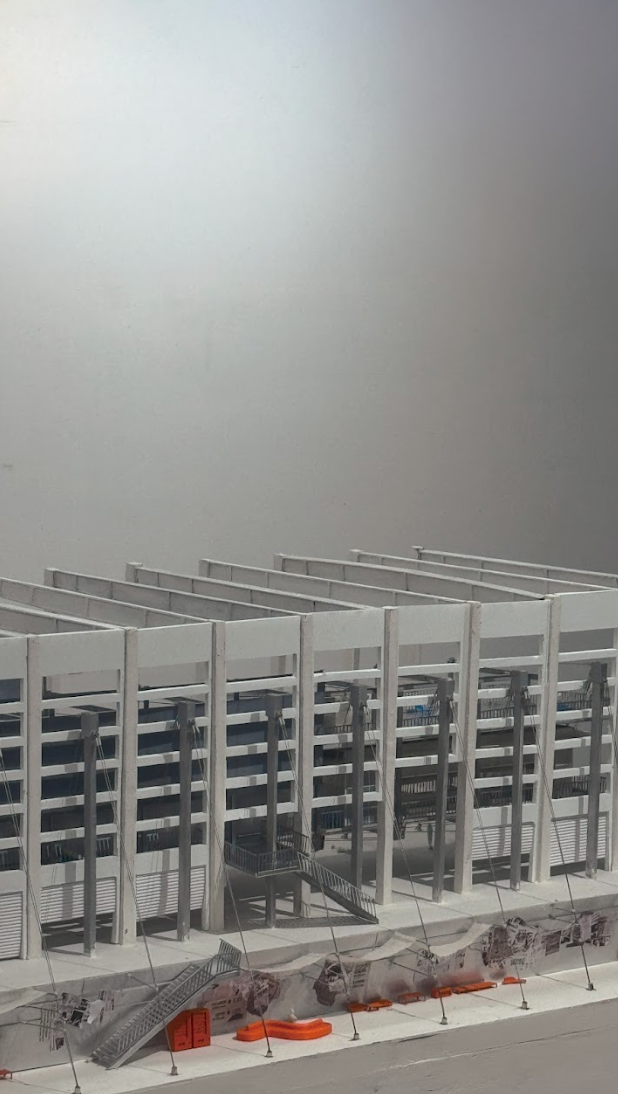
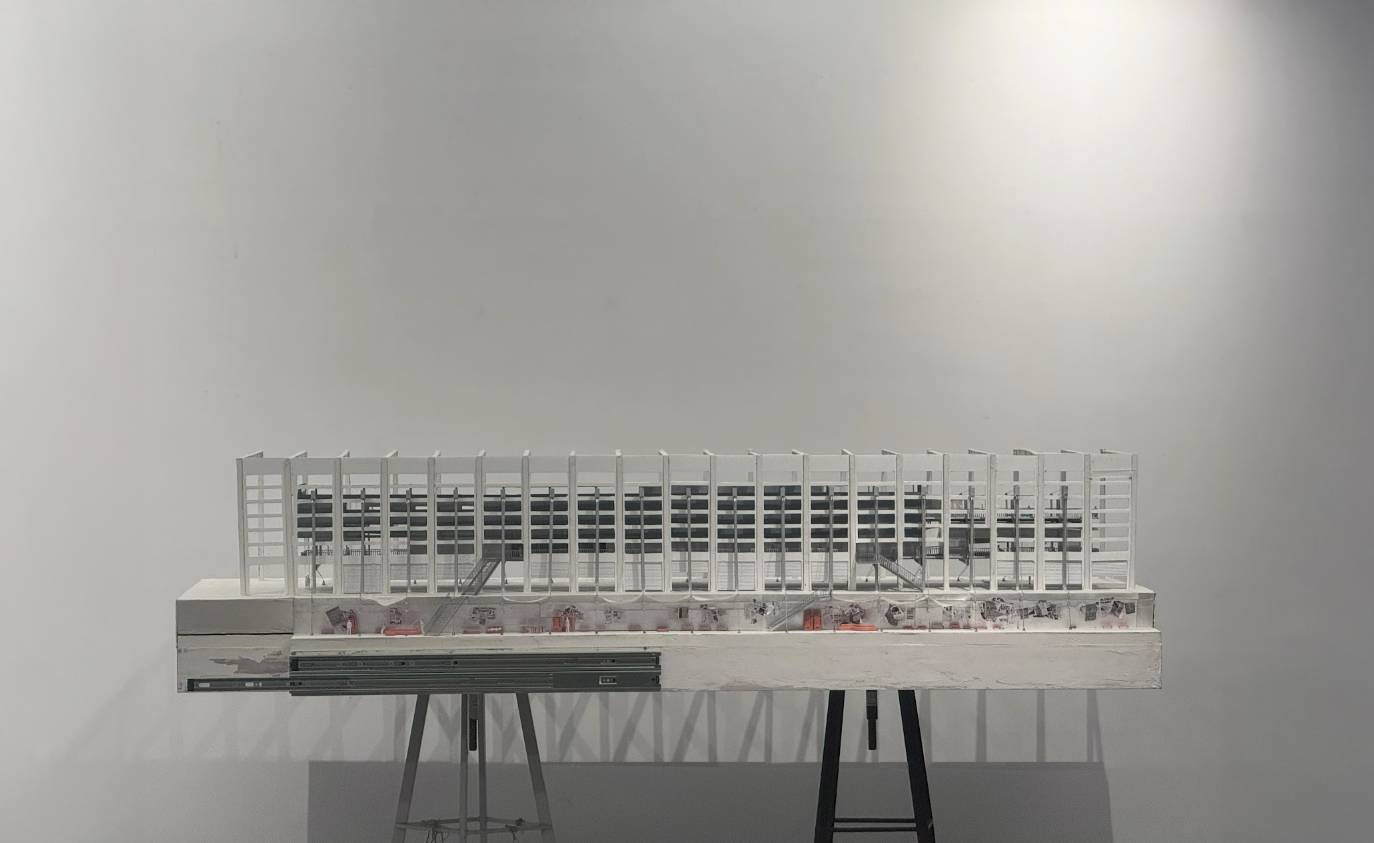
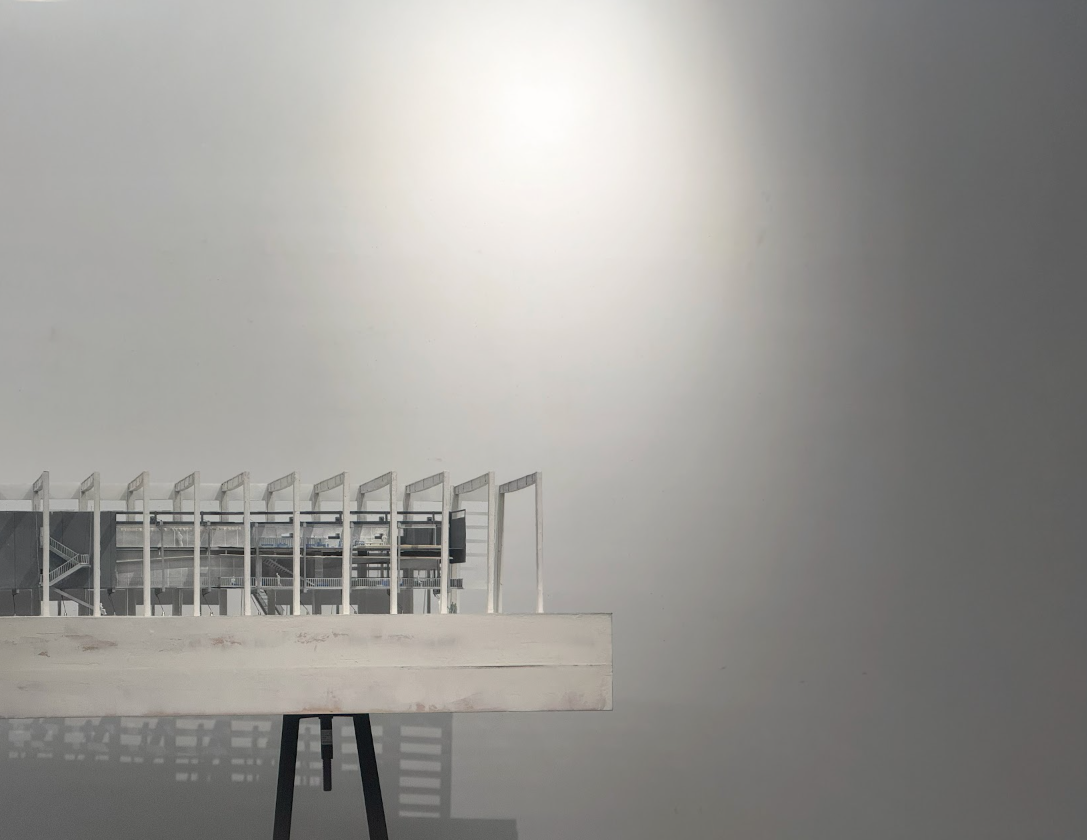
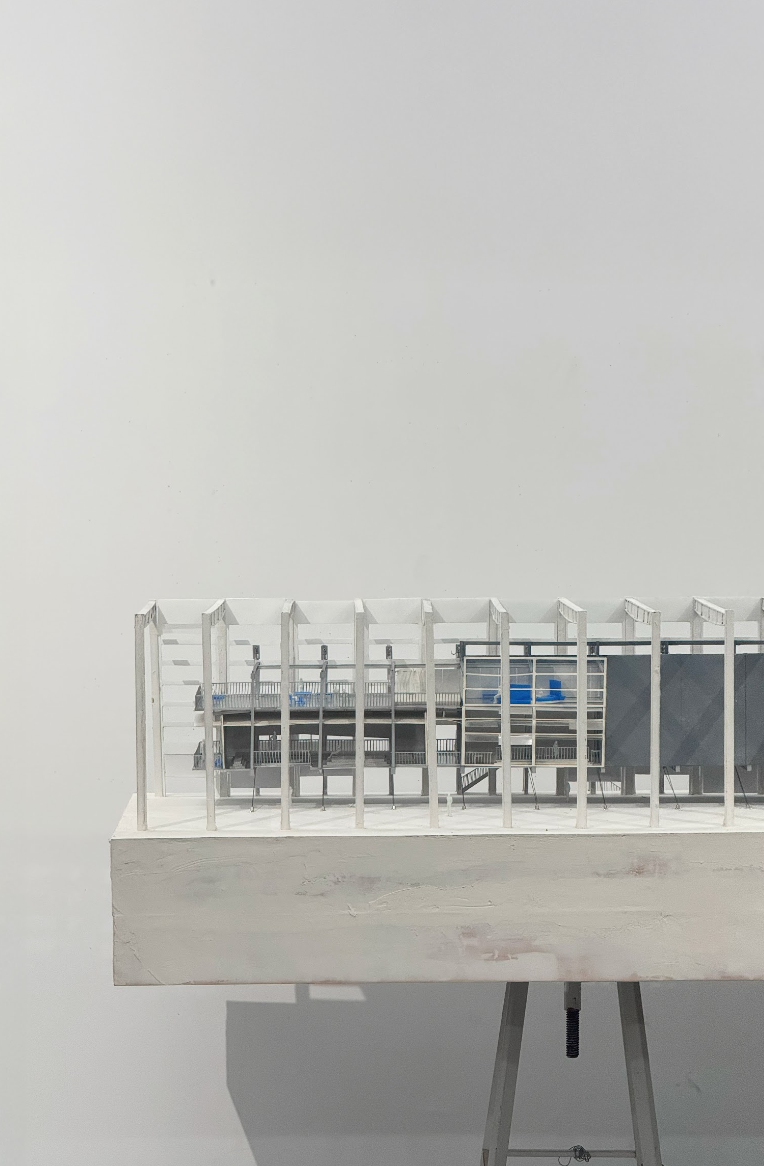
走廊並不僅僅為通行性空間,他背後隱藏更深的建築,社會以及都市含意。
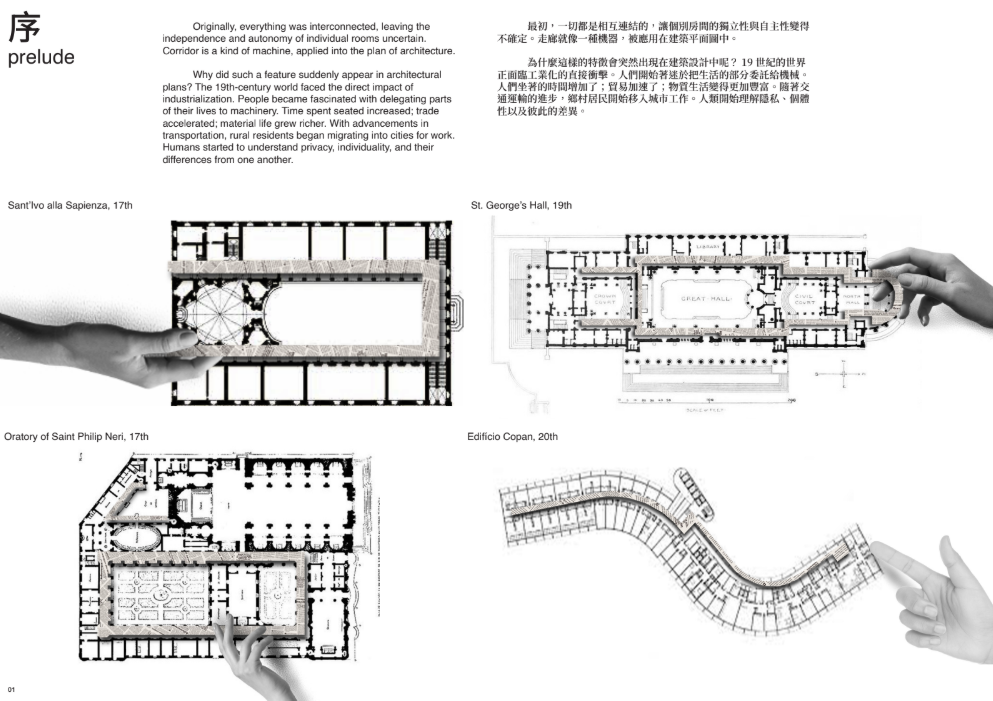
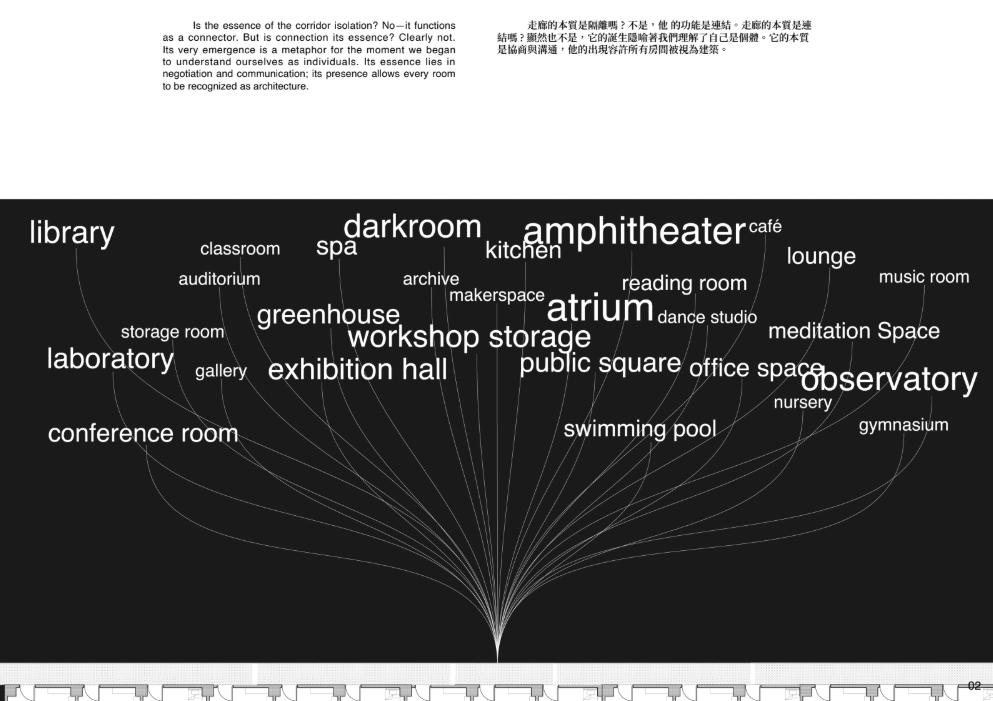
走廊為兩層介面之間的空。最初,帕拉底奧所繪製的平面圖是沒有走廊的。每個房間彼此之間戶相連通,完美反映當時人們沒有太多隱私的觀念,而隨著工業革命人們對於個體及隱私的重視,房間與房間的關係,反映了人與人之間的關係,投射到走廊是否存在。
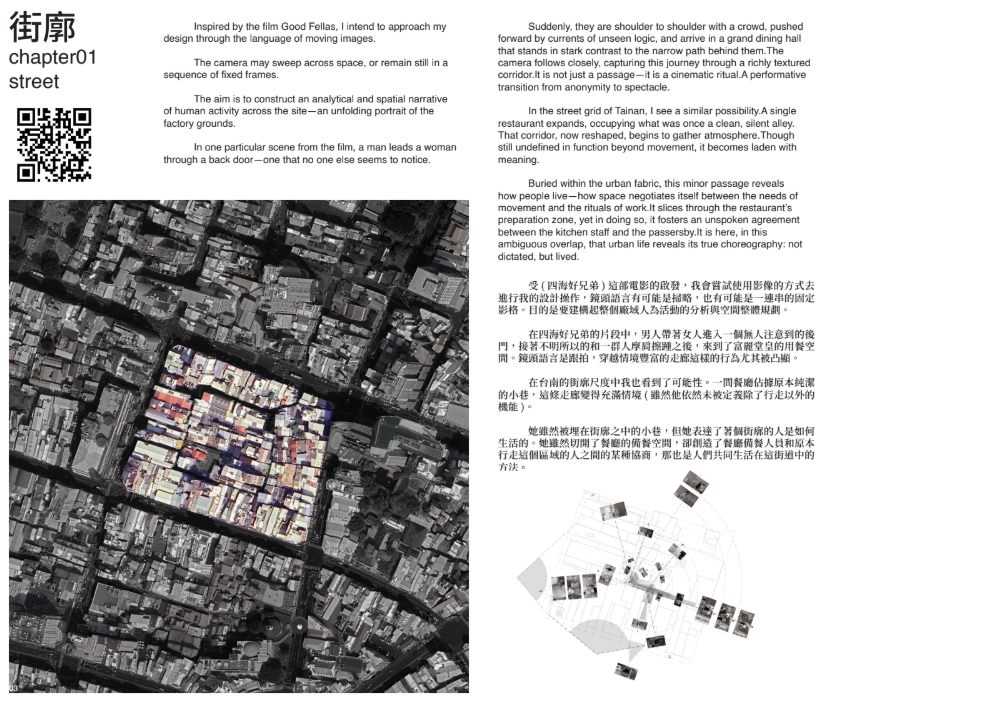
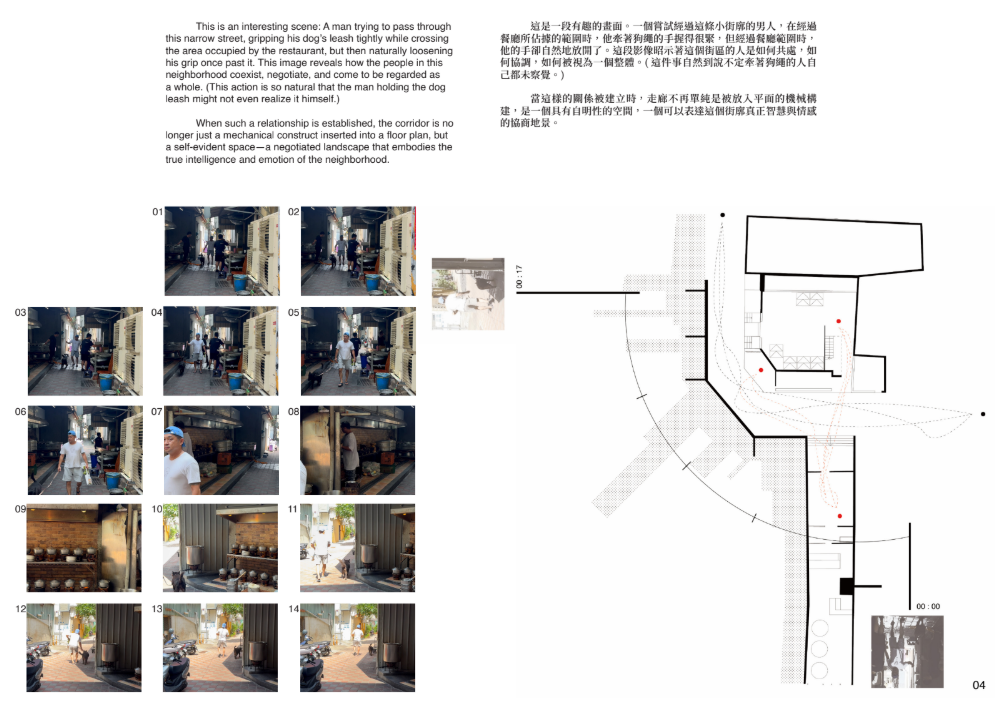
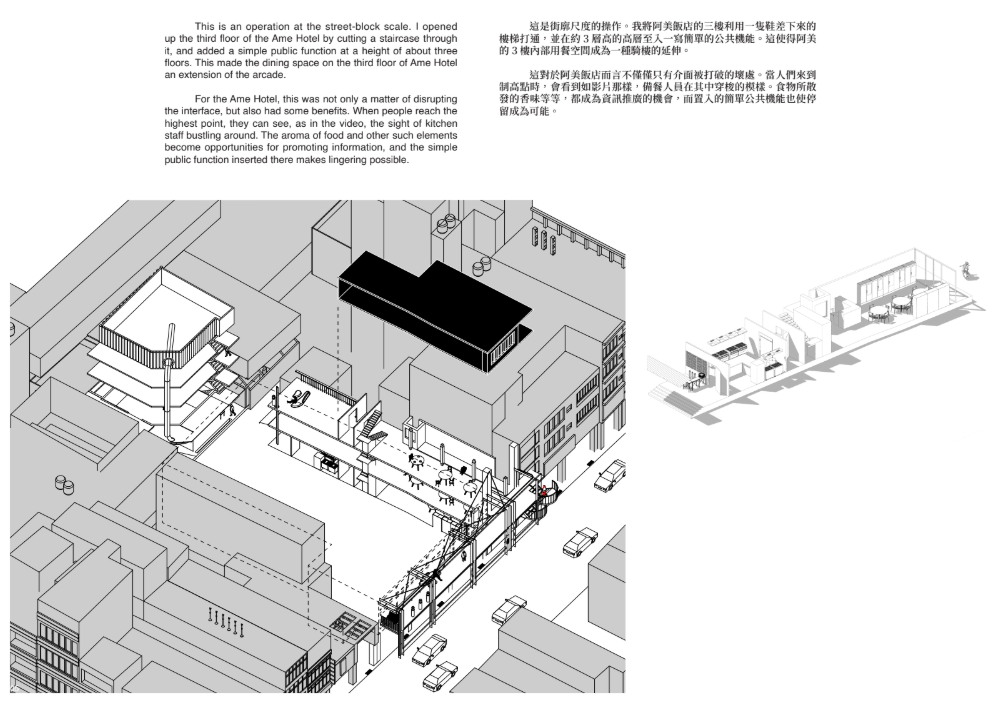
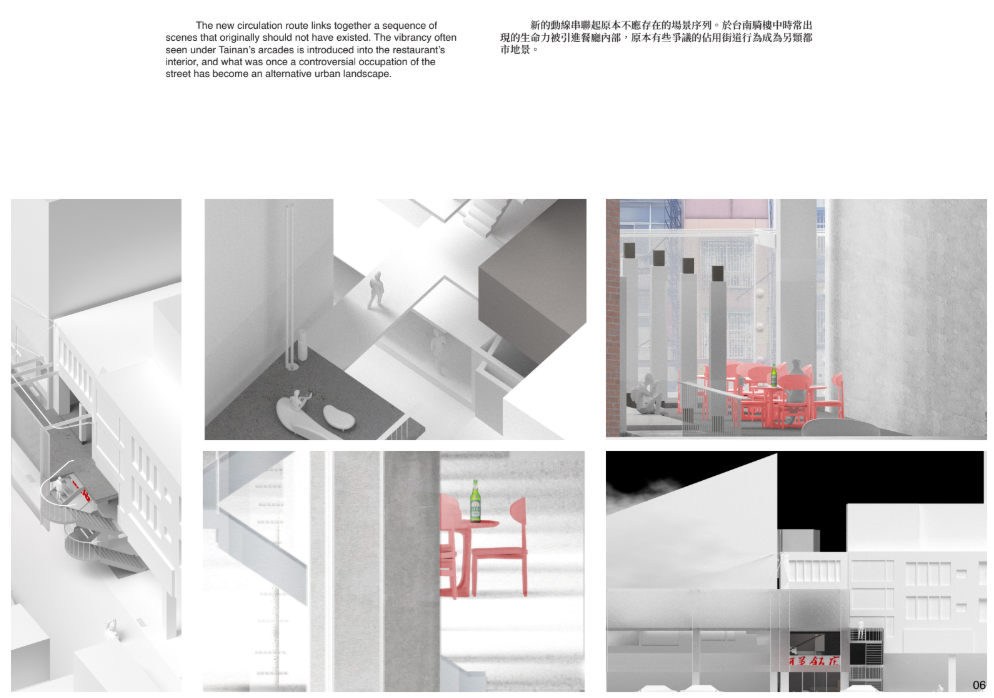
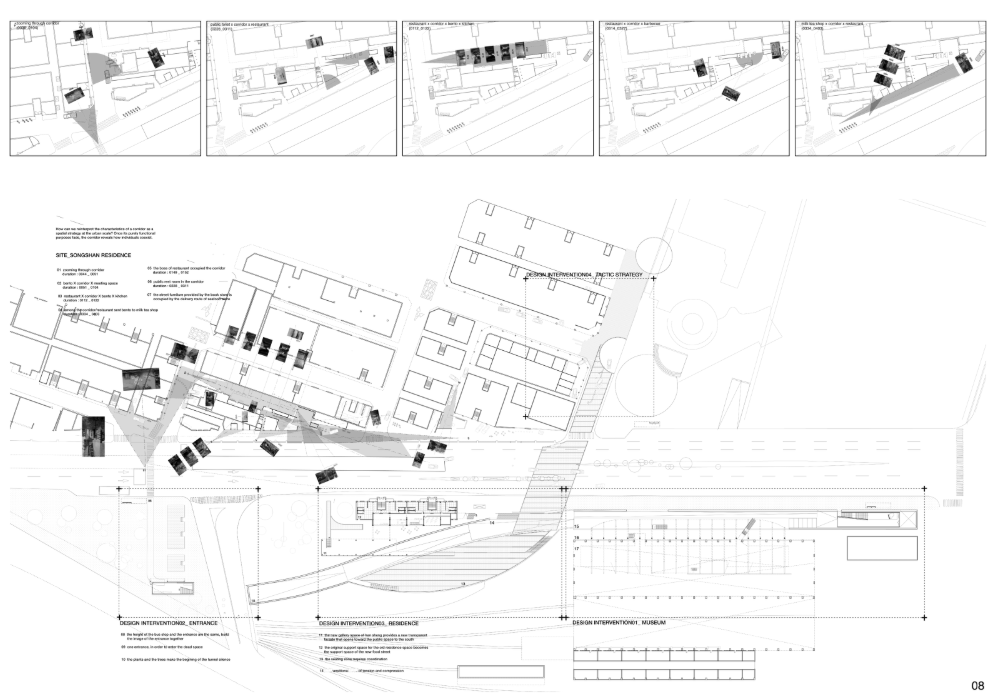
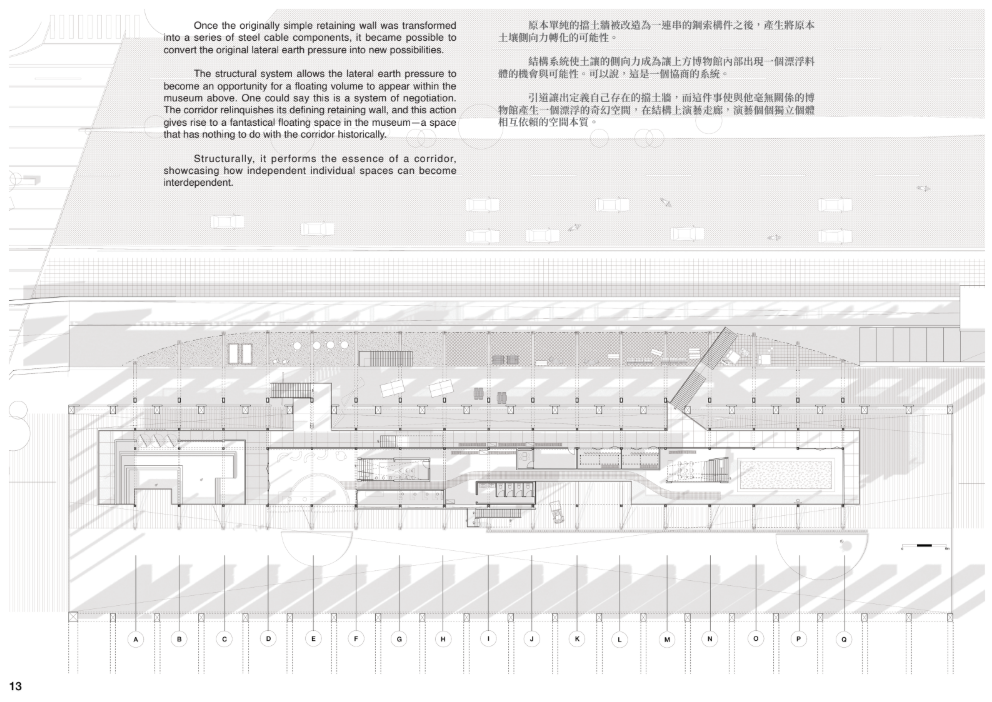
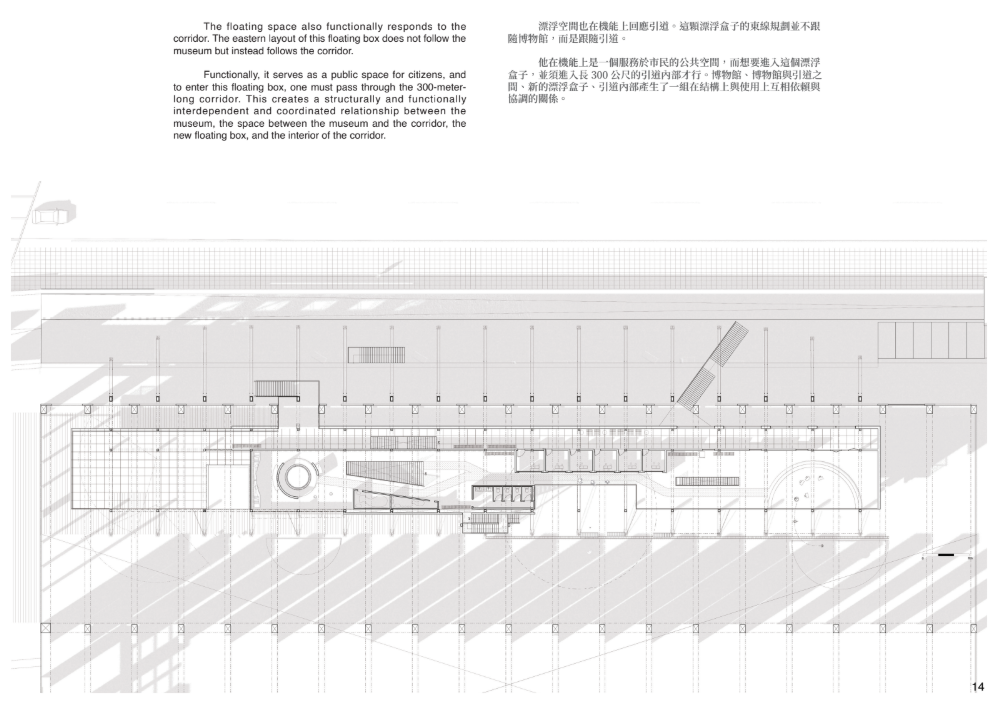
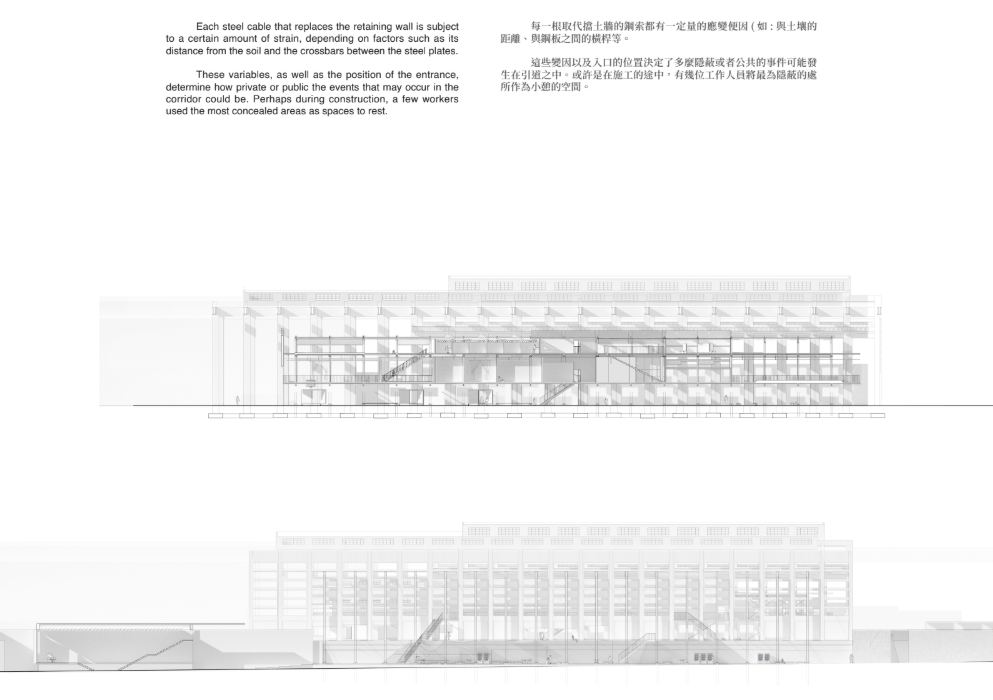
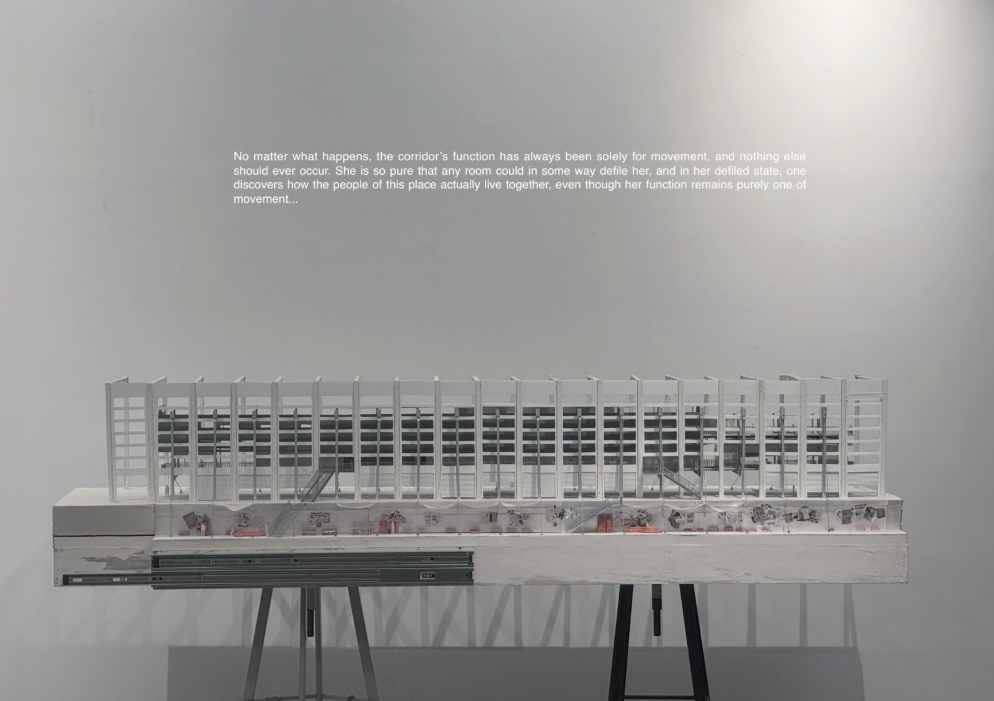
我藉由一個台南街廓的都市實驗,驗證了走廊並不單單作為一後備性質的建築元素,根本上,它可以被視為一個默契的隱喻體。他在建築中的出現象徵人與人的獨立性與自主性的誕生,而他又是為了連接我們而存在。
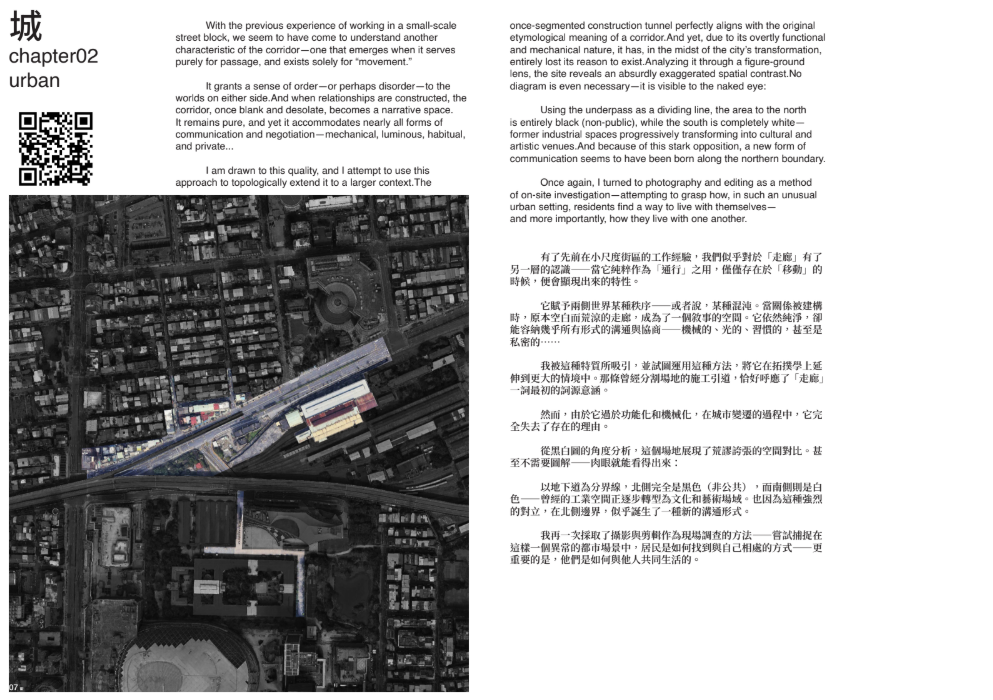
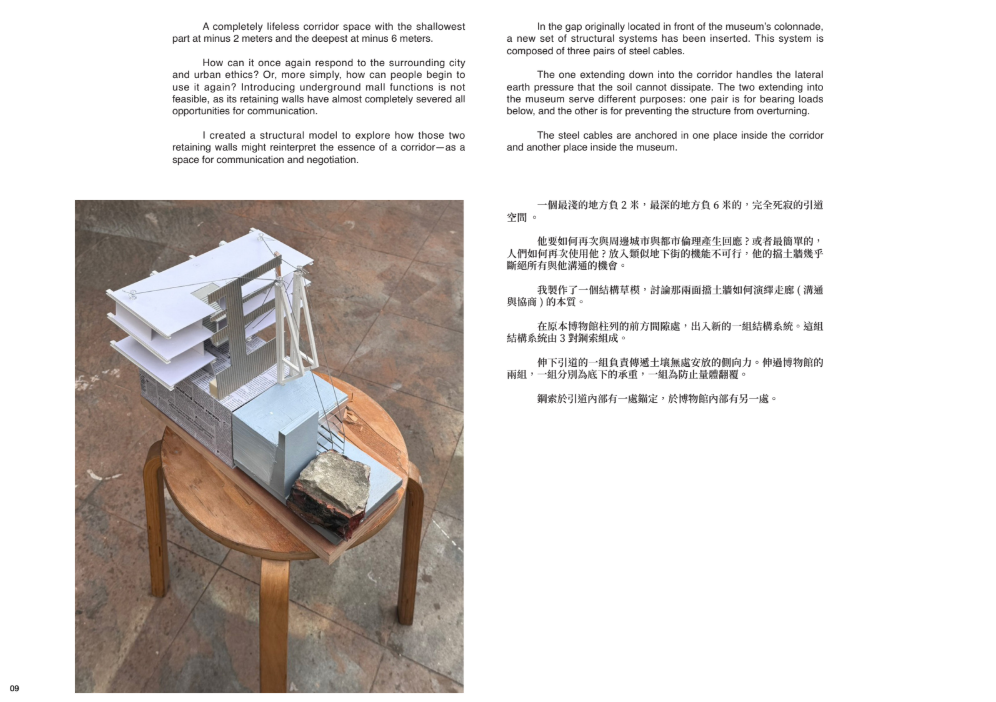
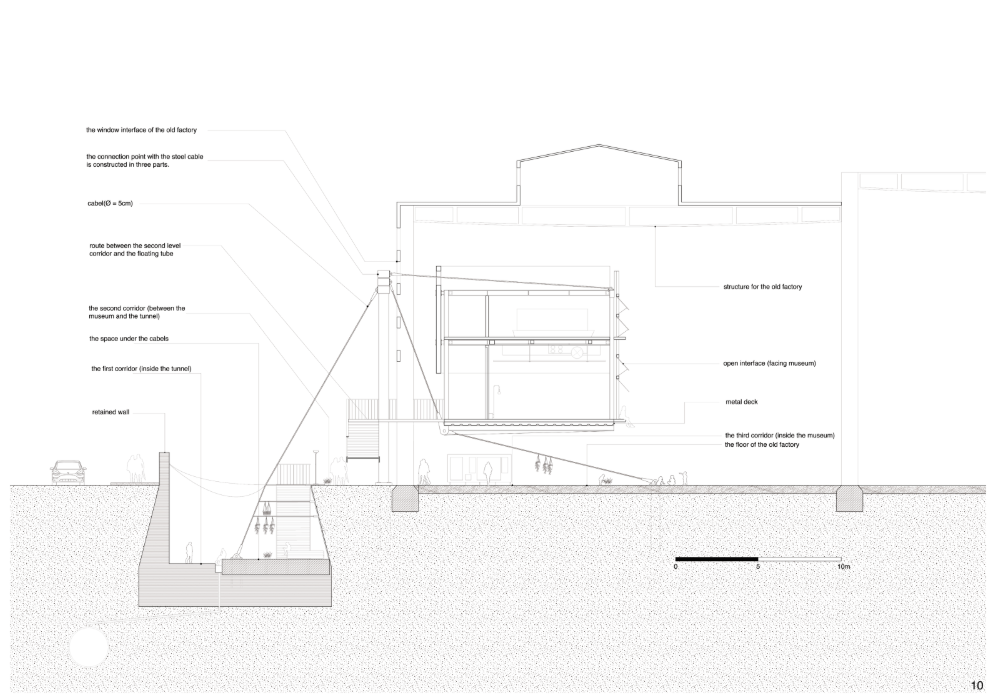
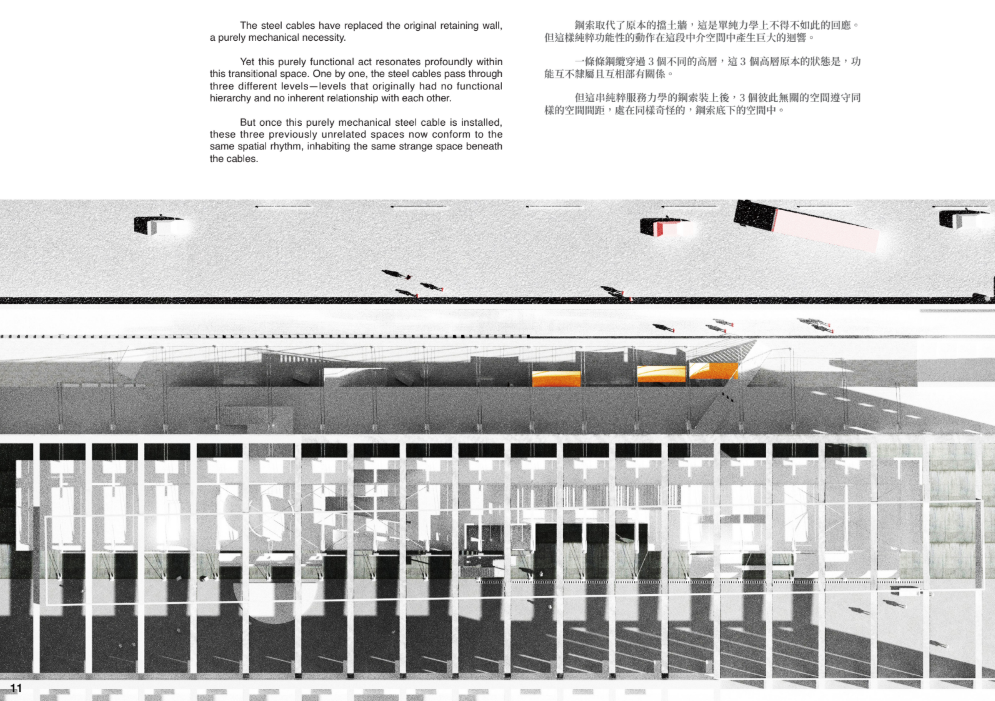
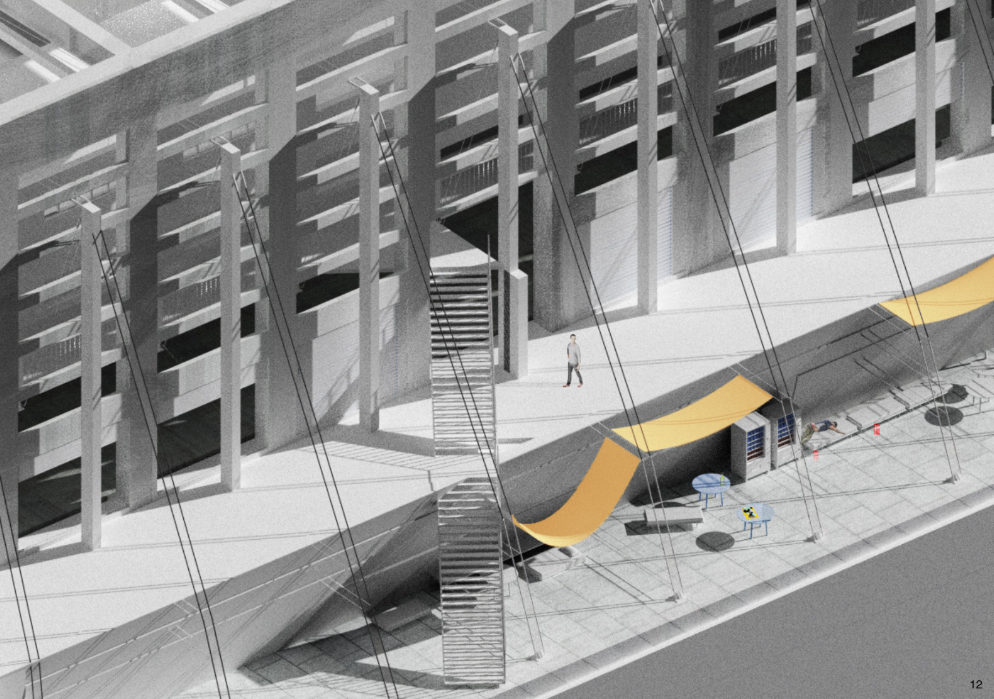
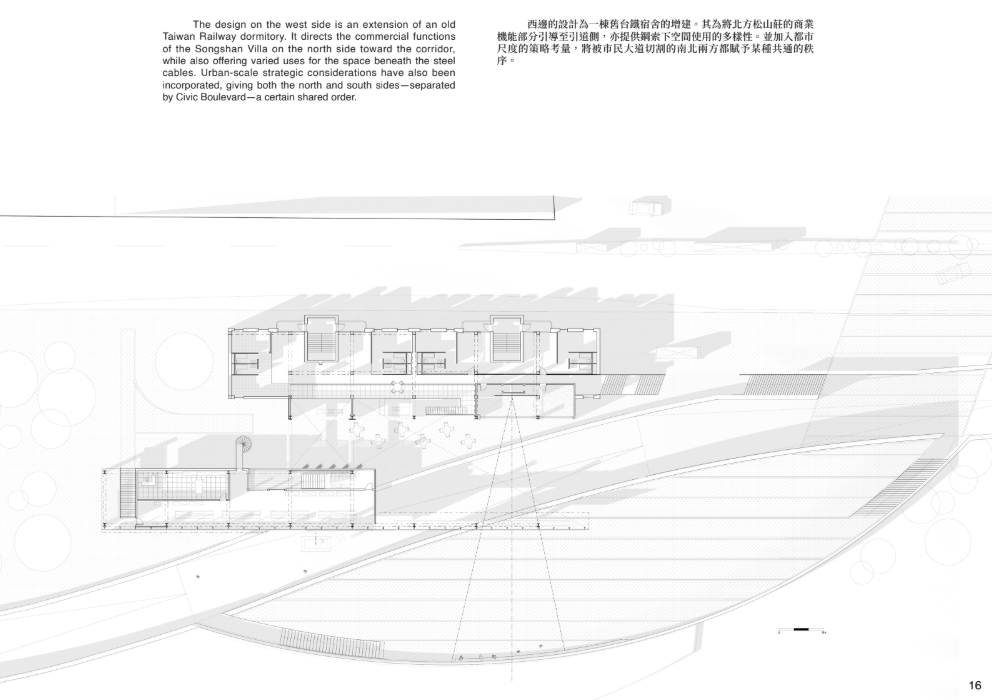
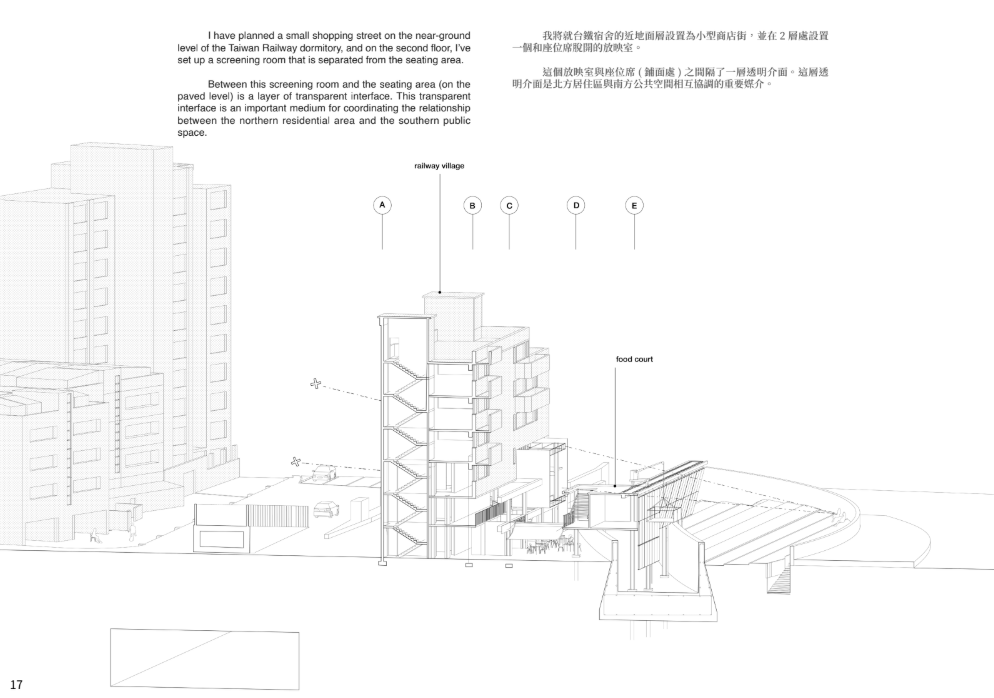
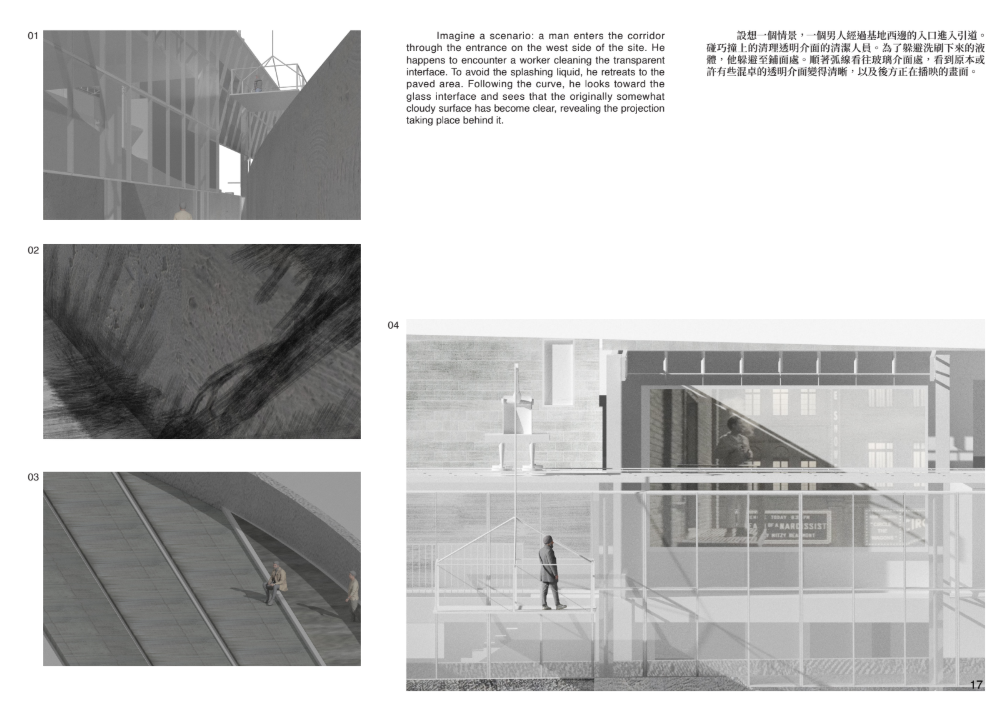
以更大的尺度,我將以廢棄的歷史性走廊作為切入點,在解決城市轉型所帶來的問題同時,賦予這個曾經是純粹功能的走廊更多的空間可能性。藉由走廊的抽象概念回應屬於當代的生活方式,並嘗試在這個高度工業化,所有人都已經確立主體性的社會裡,提出我們應當如何再次被視為一個整體。
–
All About Corridors
A corridor is not merely a passageway—it carries deeper architectural, social, and urban implications. It exists as the void between two layers. In Palladio’s original plans, corridors did not exist; rooms were interconnected, reflecting a time when privacy was minimal. With the Industrial Revolution, the growing value of individuality and privacy transformed spatial relationships between rooms—mirrored by the emergence of corridors.
Through an urban experiment in a Tainan block, I explored how corridors are not simply residual spaces but metaphors of social dynamics. Their presence symbolizes both independence and the need for connection.
On a larger scale, I use abandoned historic corridors as a starting point to address urban transformation while granting these once-functional spaces new spatial possibilities. By reinterpreting the abstract concept of the corridor, I aim to reflect contemporary lifestyles and question how, in a highly industrialized society where individuality dominates, we might once again be seen as a collective.