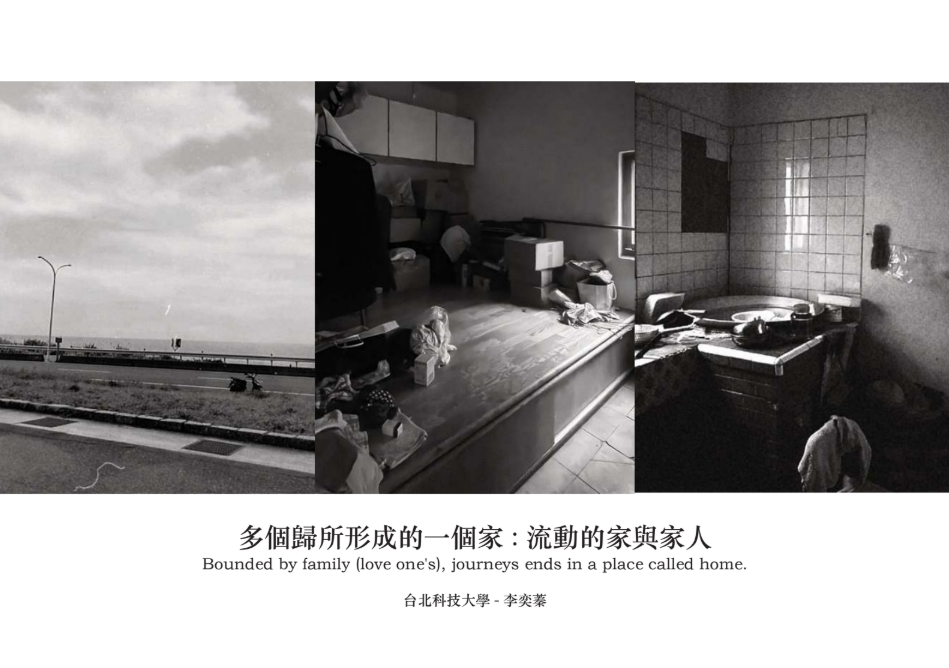
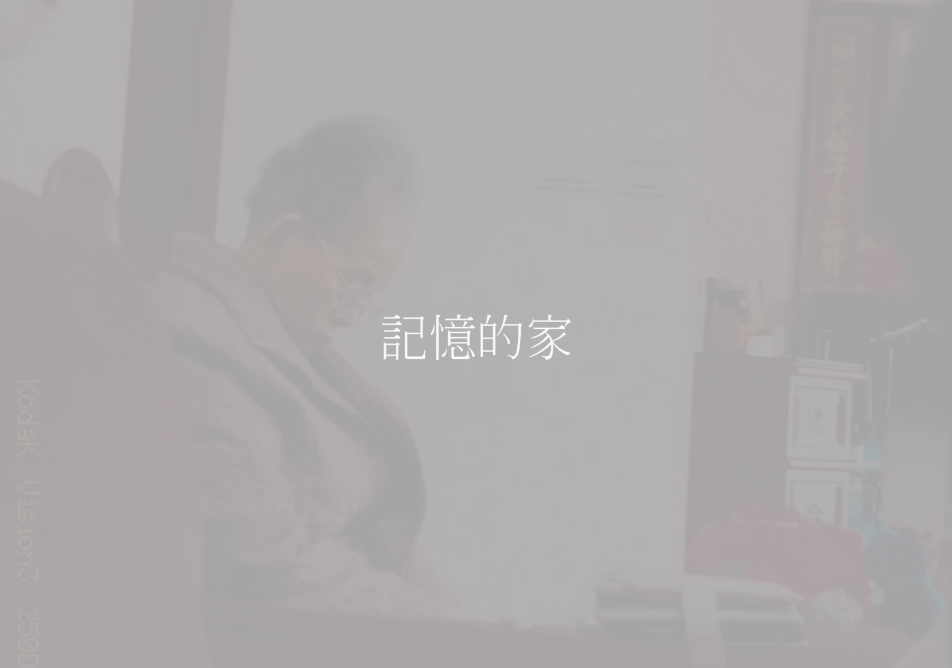
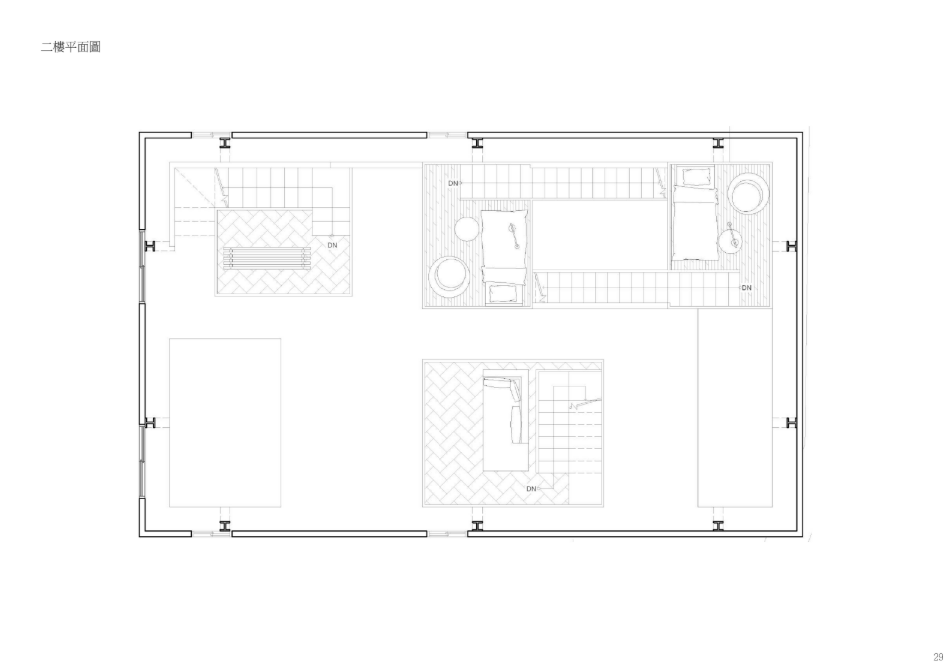
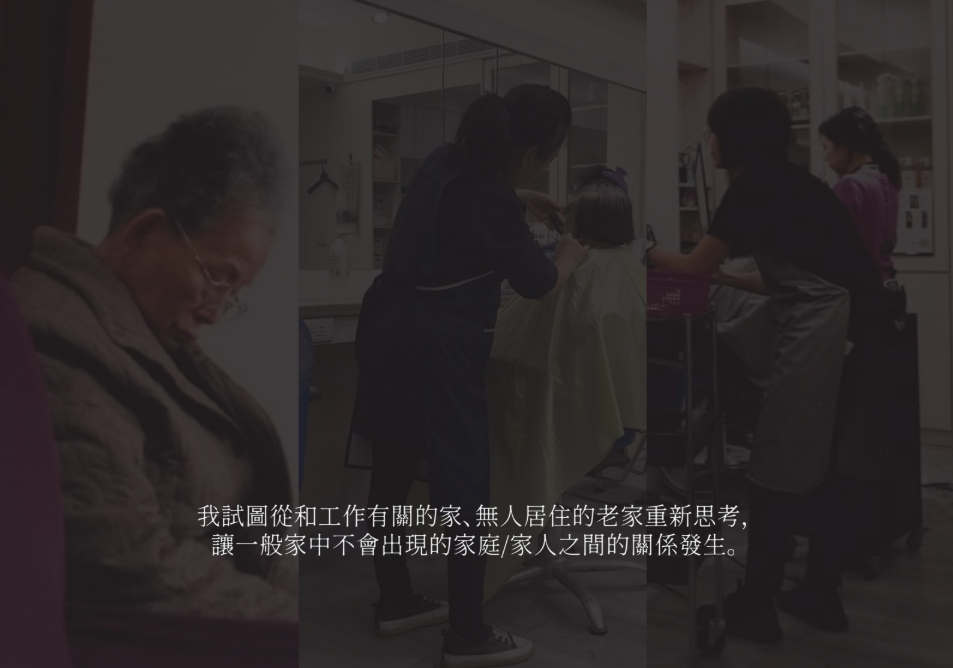
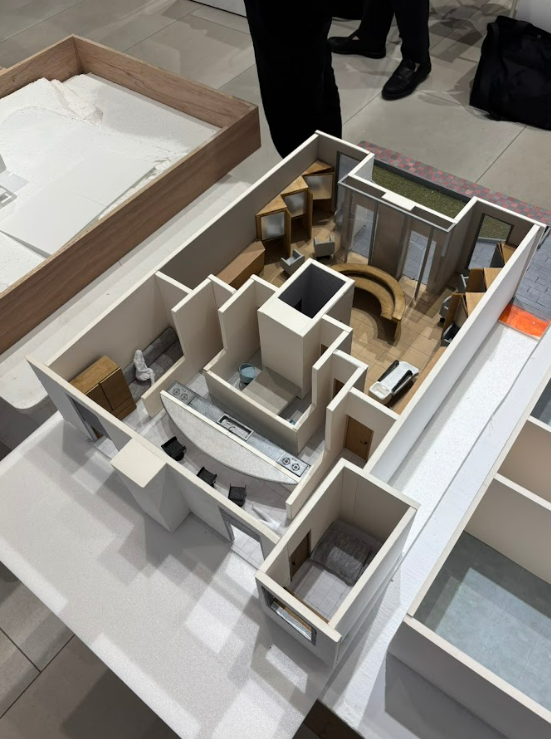
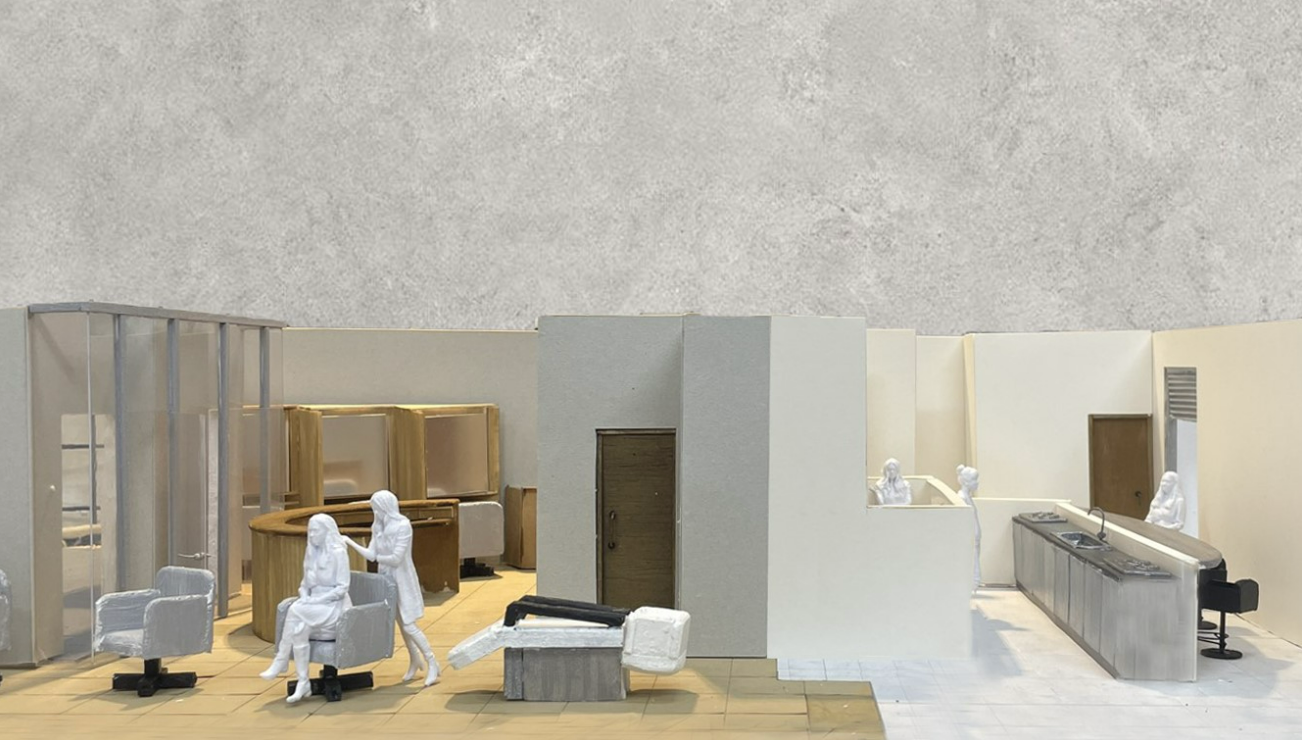
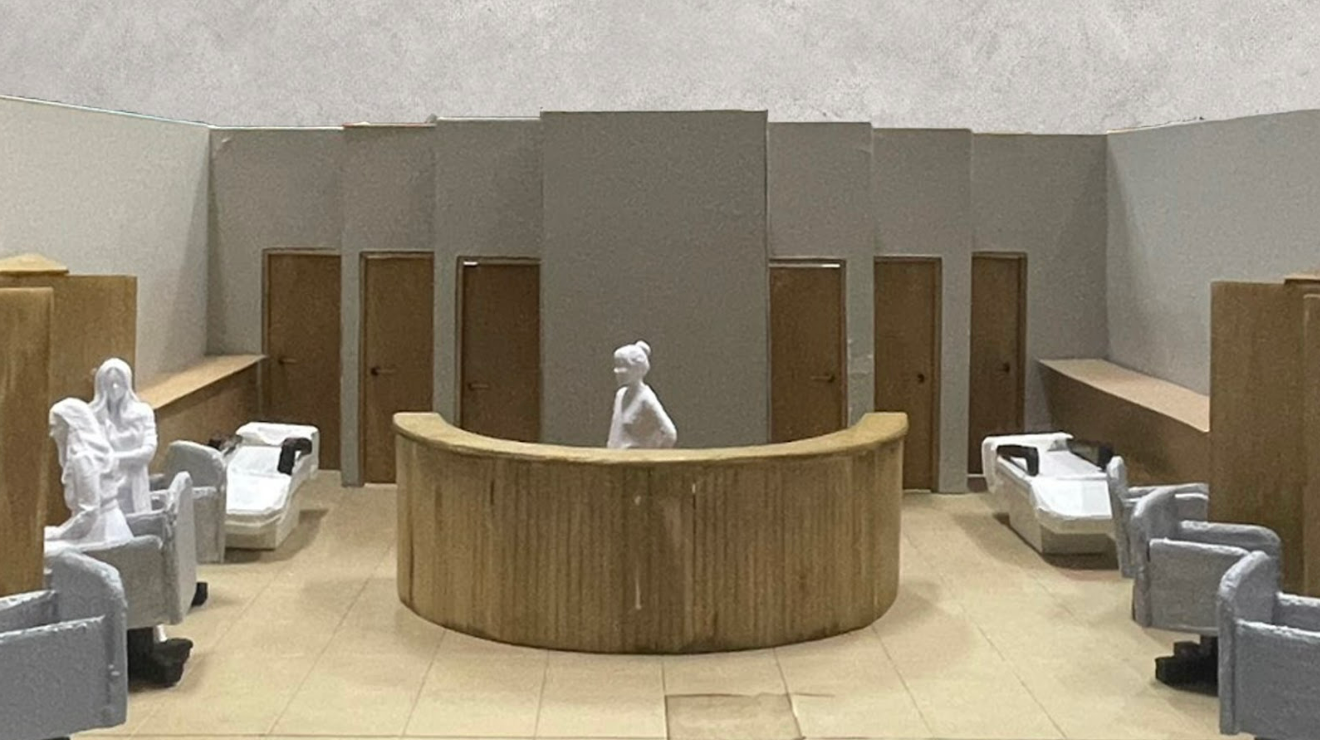
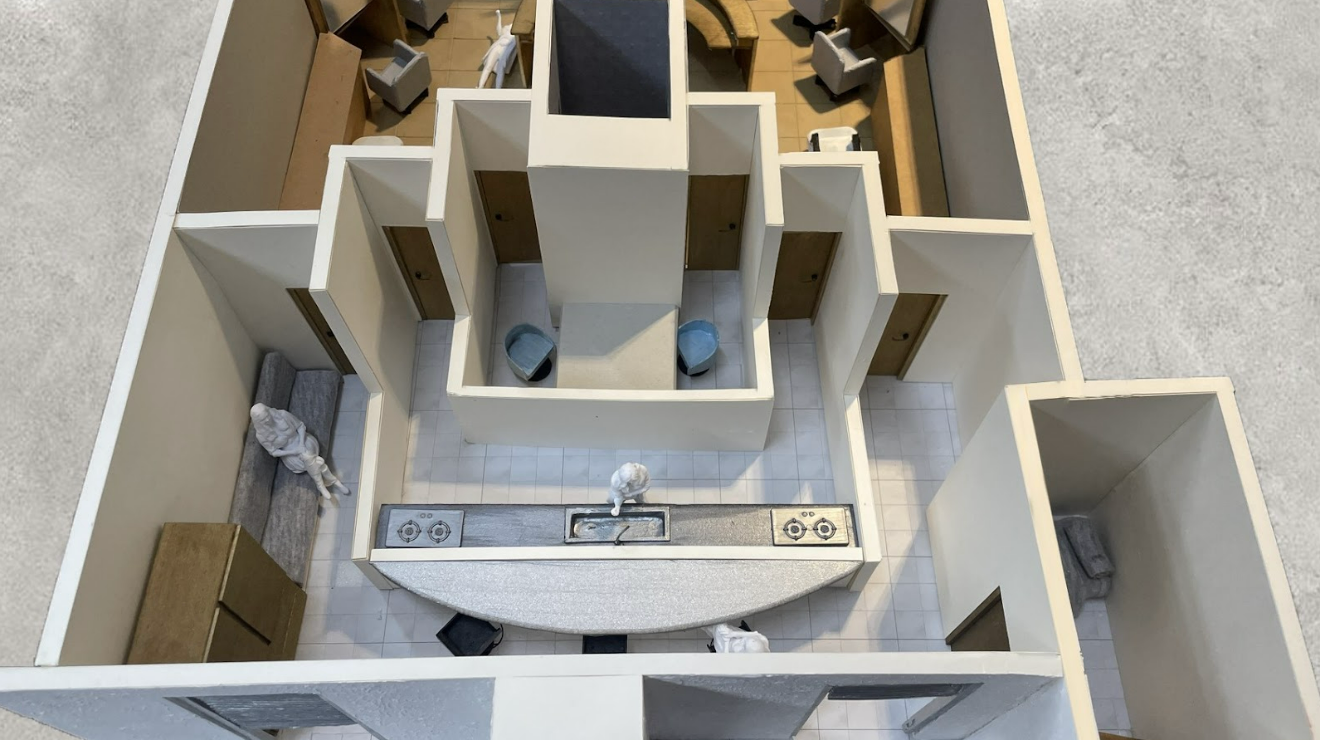
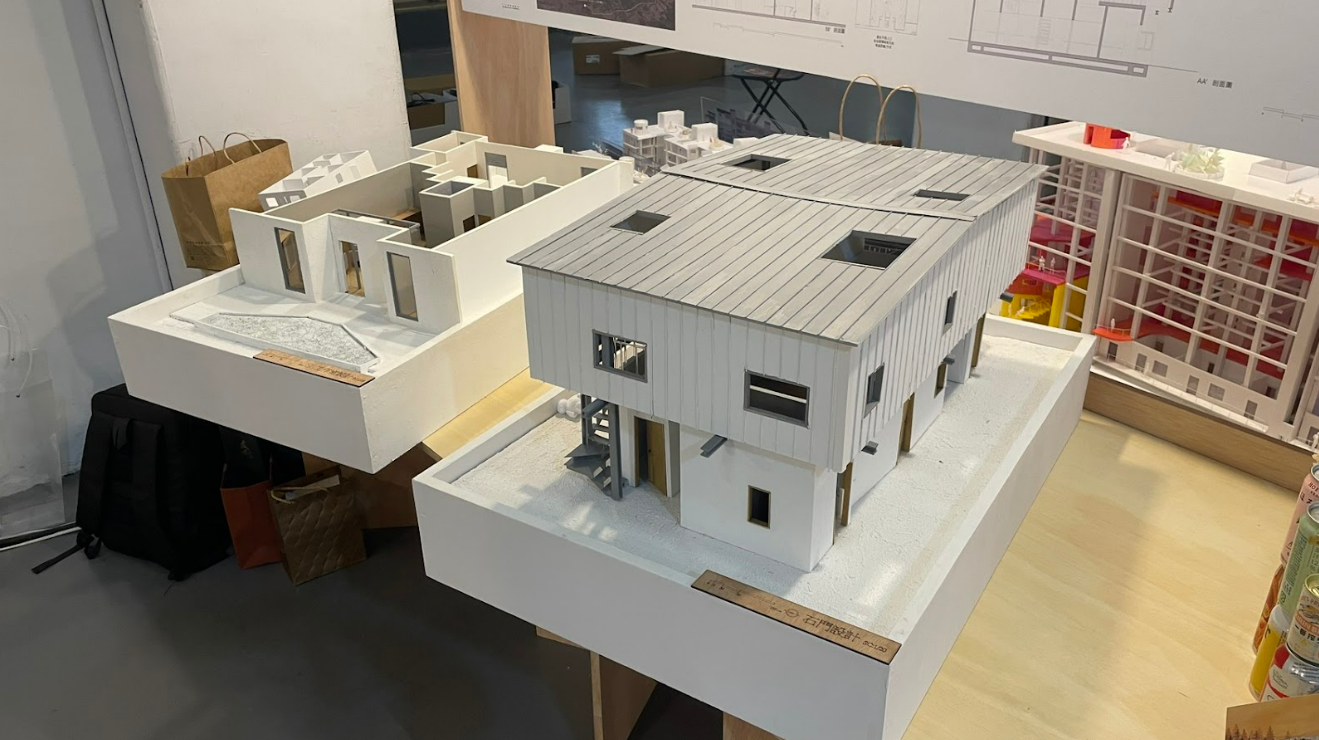
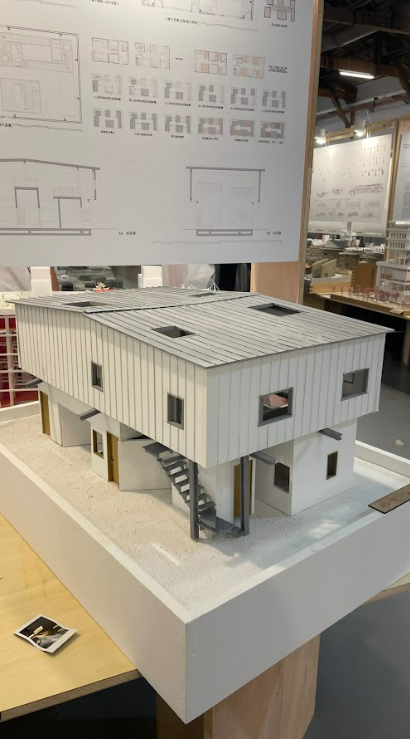
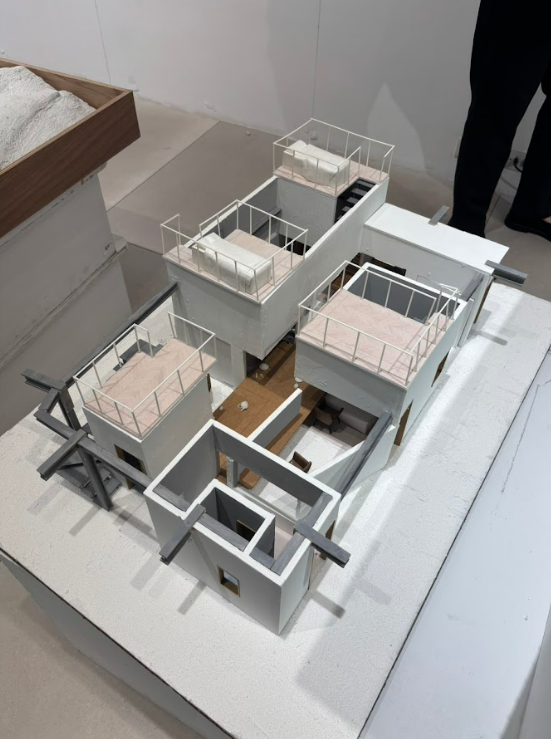
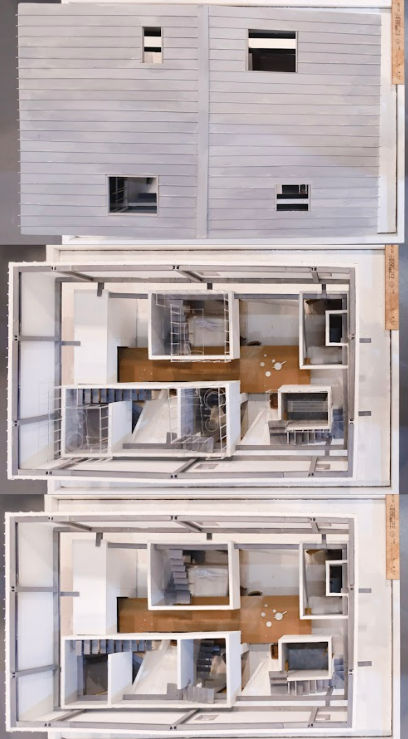
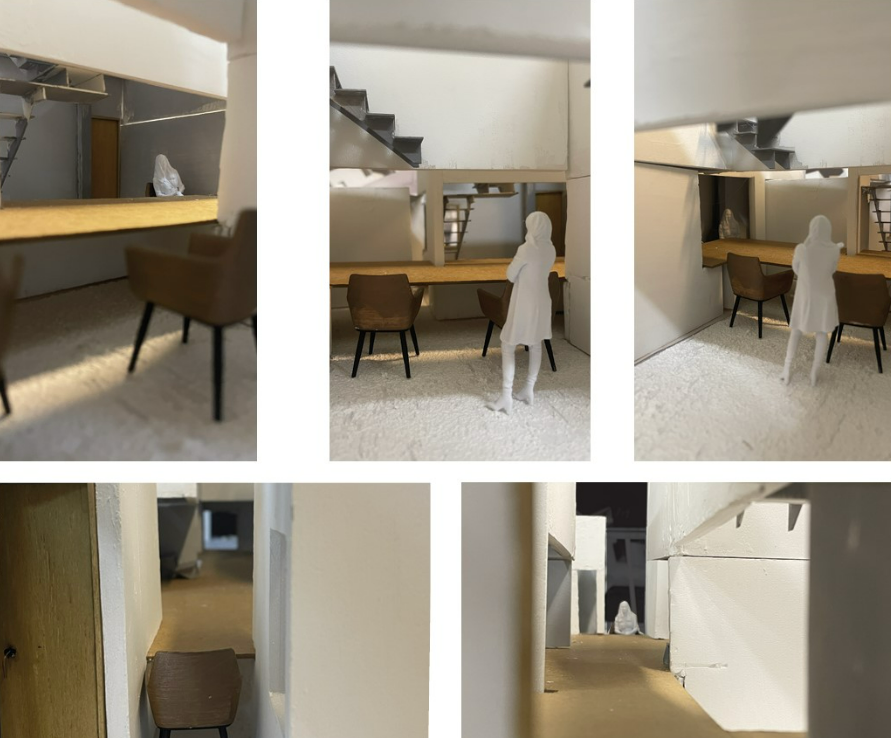
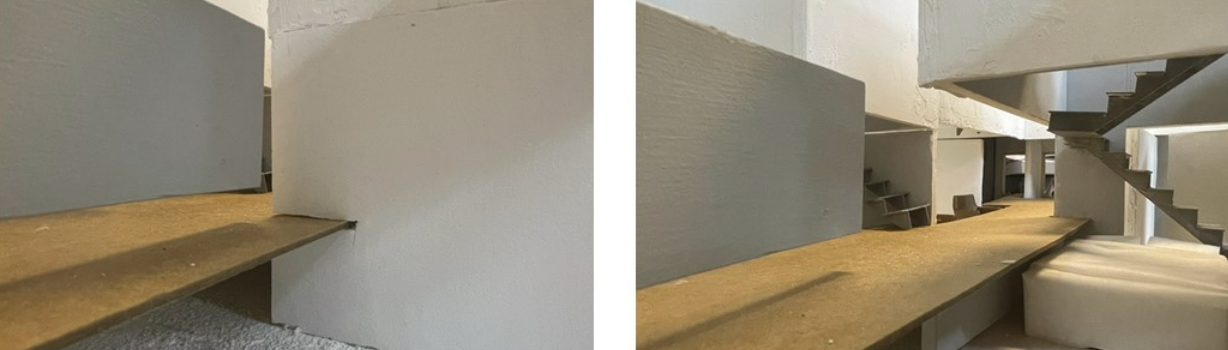
家,是容納生活的空間,更是情感交織的場域。
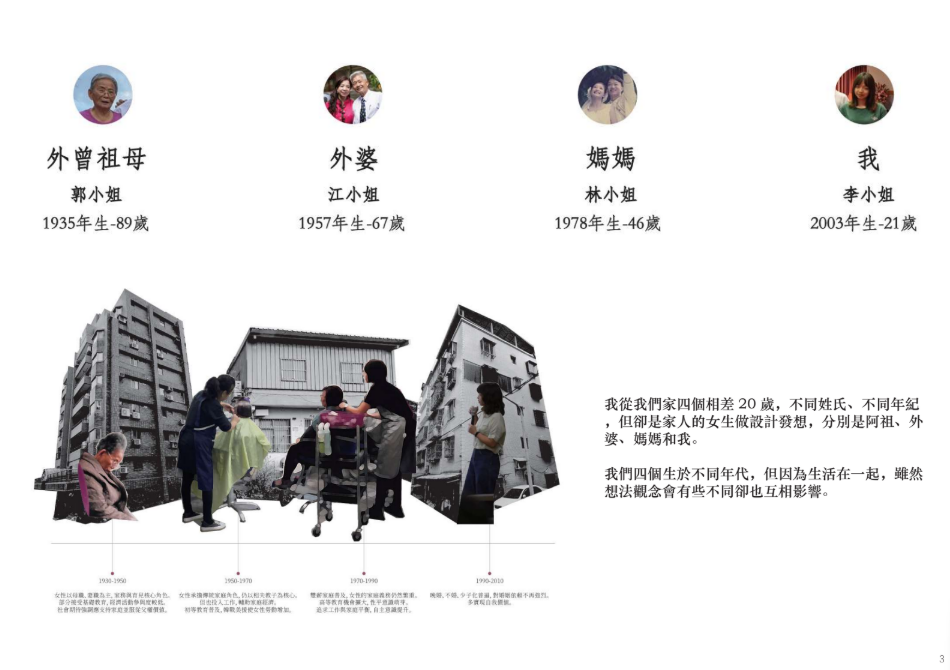
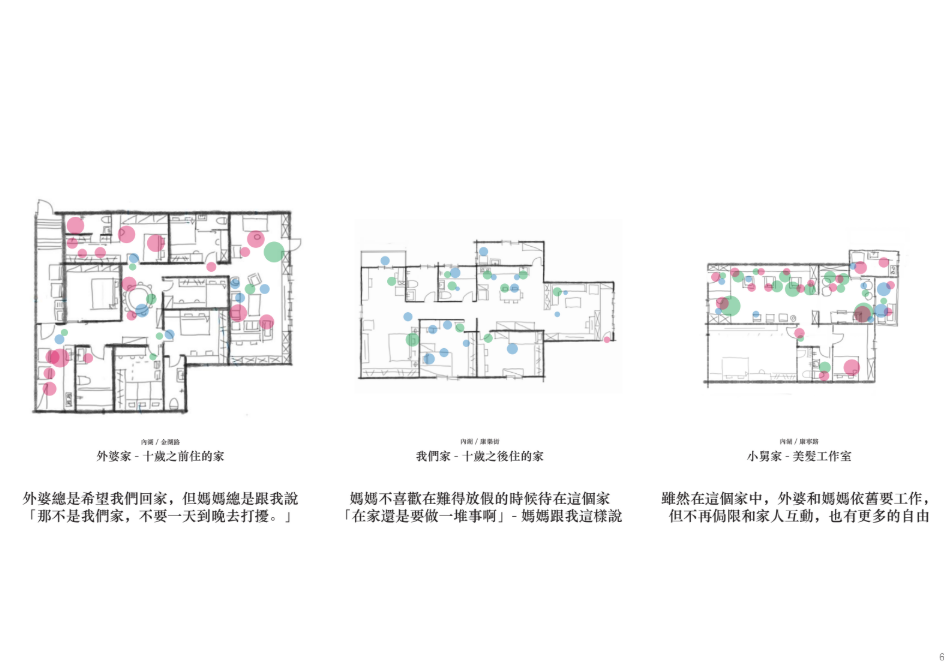
然而,現代家居設計往往過度強調機能性,忽略了家庭關係中潛藏的情感需求與互動深度。當「家」成為角色壓力的載體,家人之間的交流被擠壓進效率與期待的縫隙中,容易陷入誤解與疏離。
我們是否能跳脫傳統住宅的框架,重新詮釋「家」的本質?
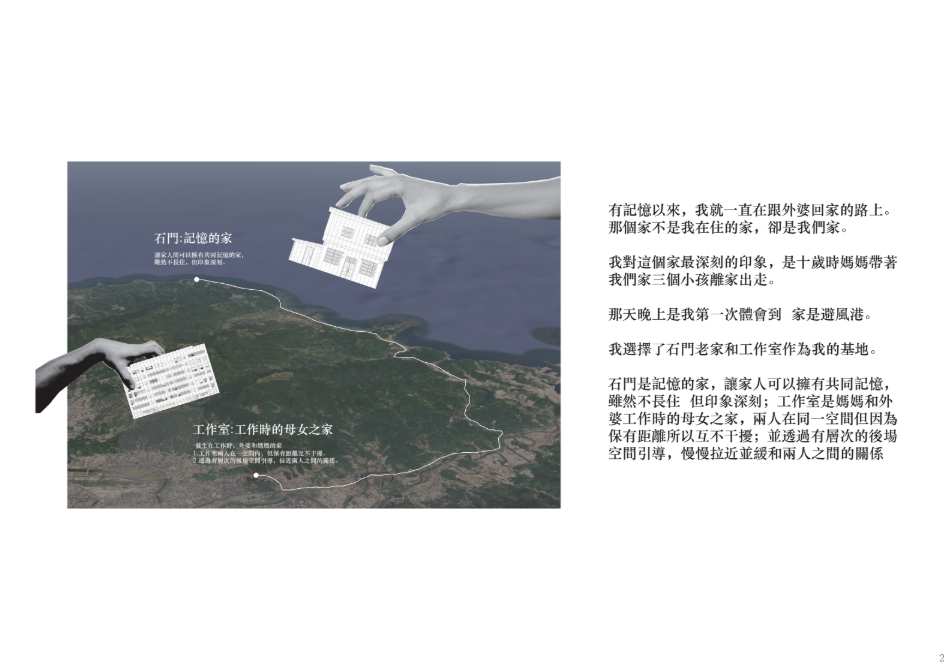
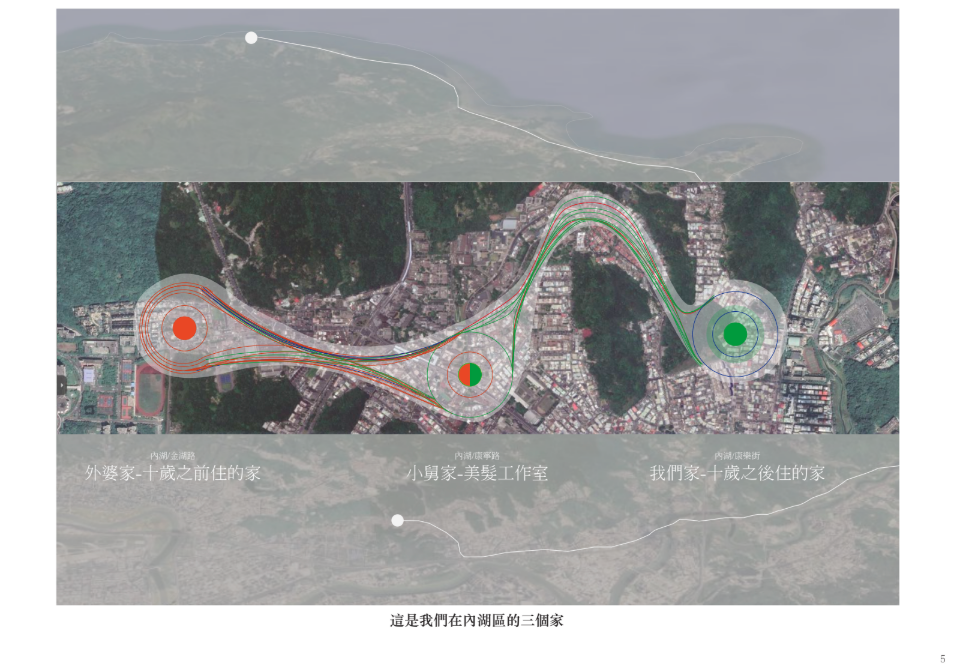
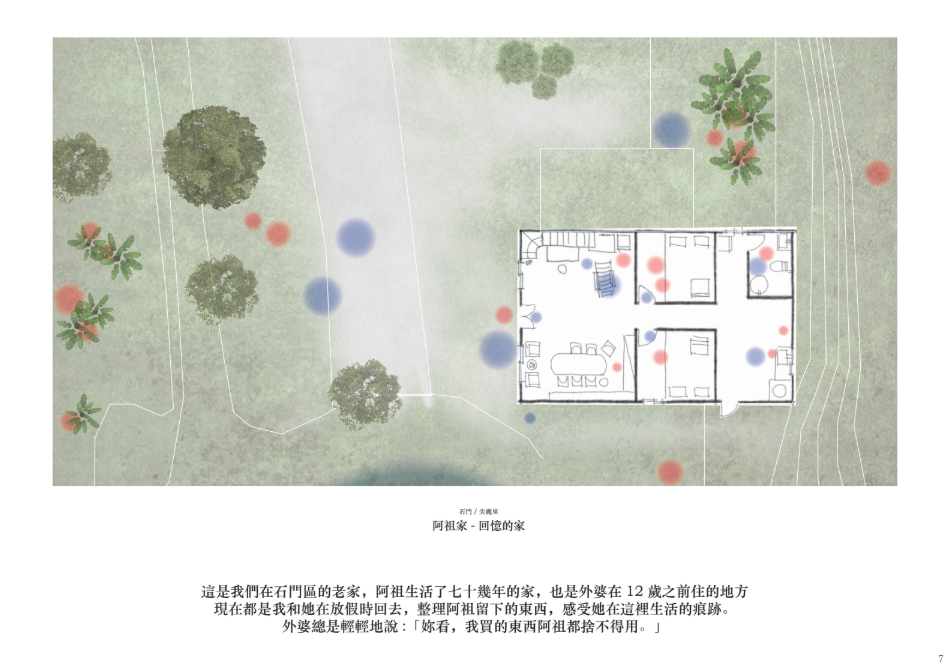
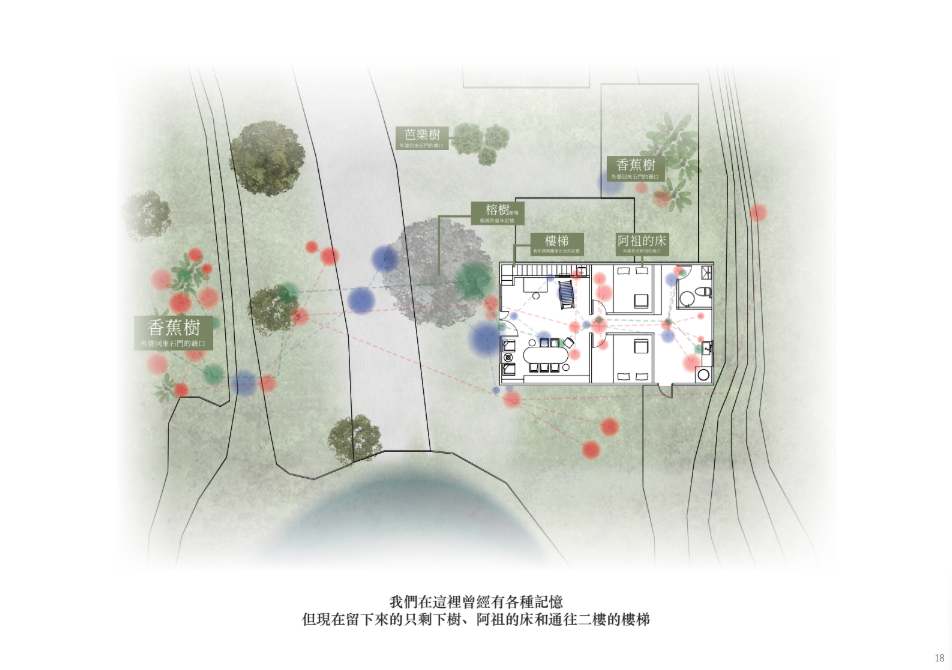
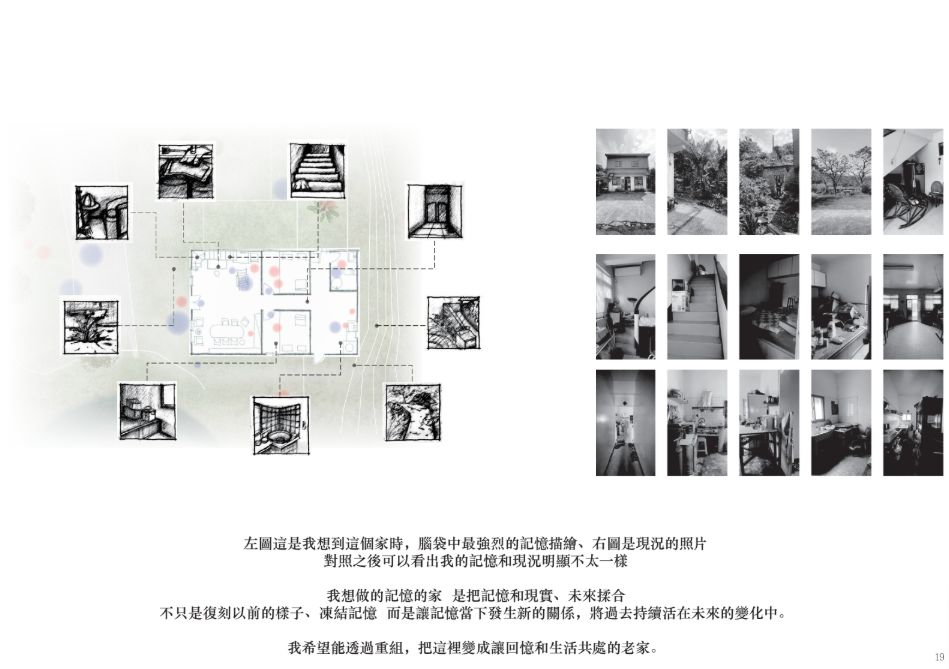
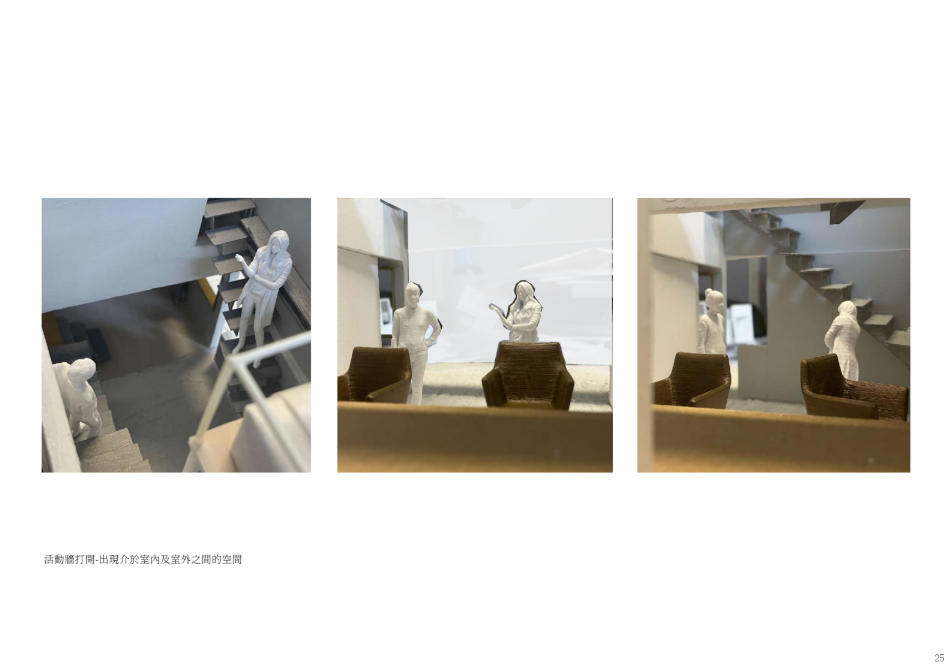
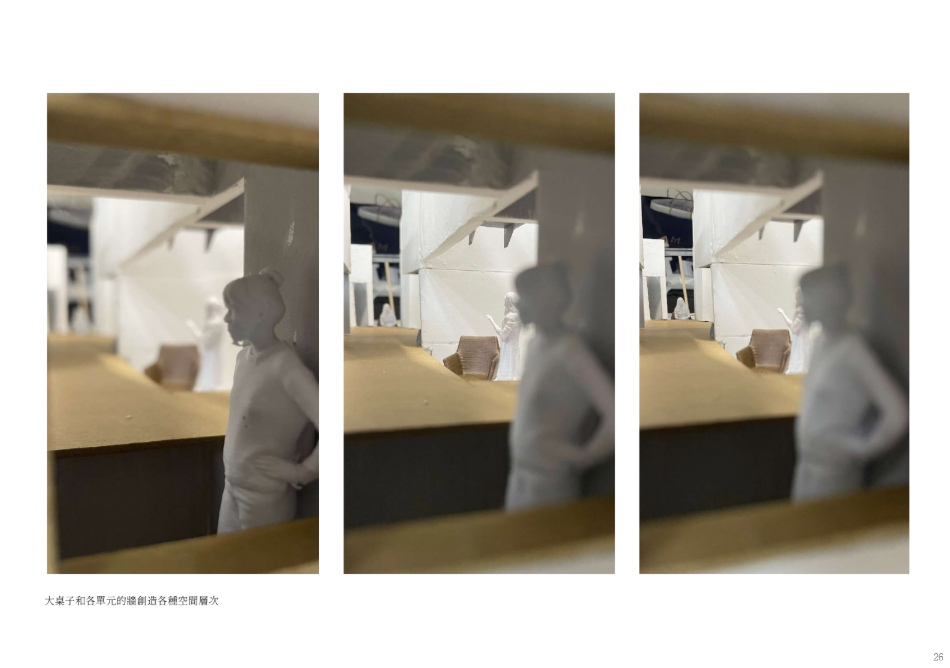
當家的設計不再侷限於功能,而能釋放關係中的自由與理解,家人之間便能從角色的束縛中抽身,重新發現彼此。在這樣的思維下,「家」的邊界不再受限於固定的住宅空間,而是延伸至工作的場域、記憶中的老家,乃至每一個承載日常的歸所——這些空間共同構築出連結愛與理解的橋樑。
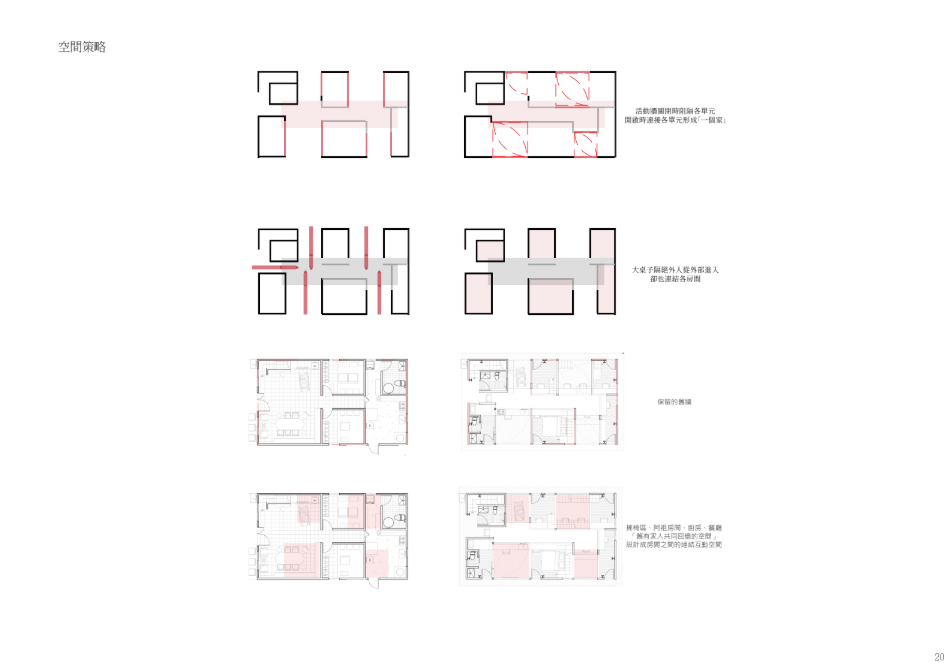
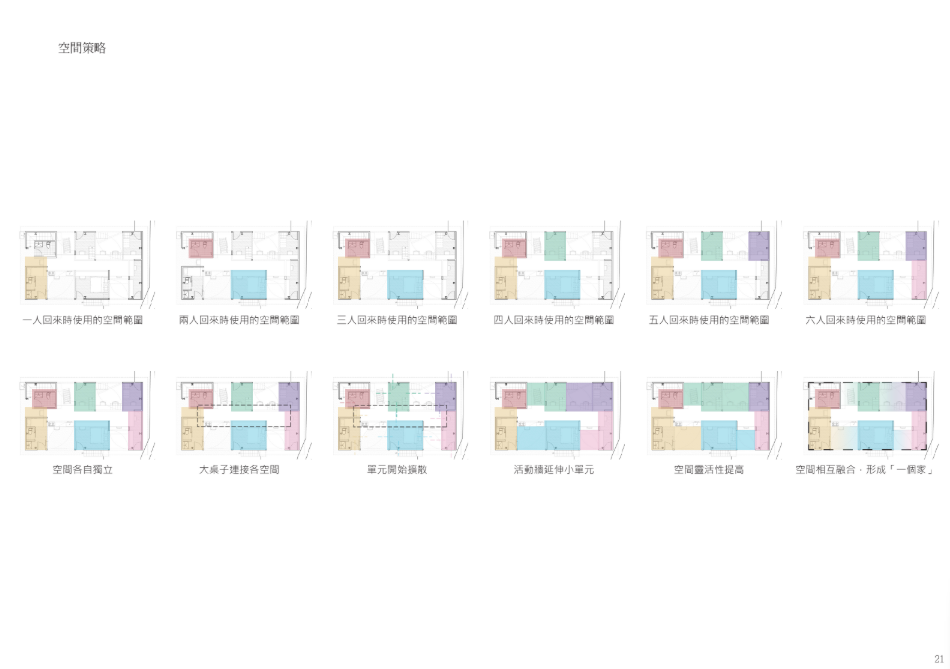
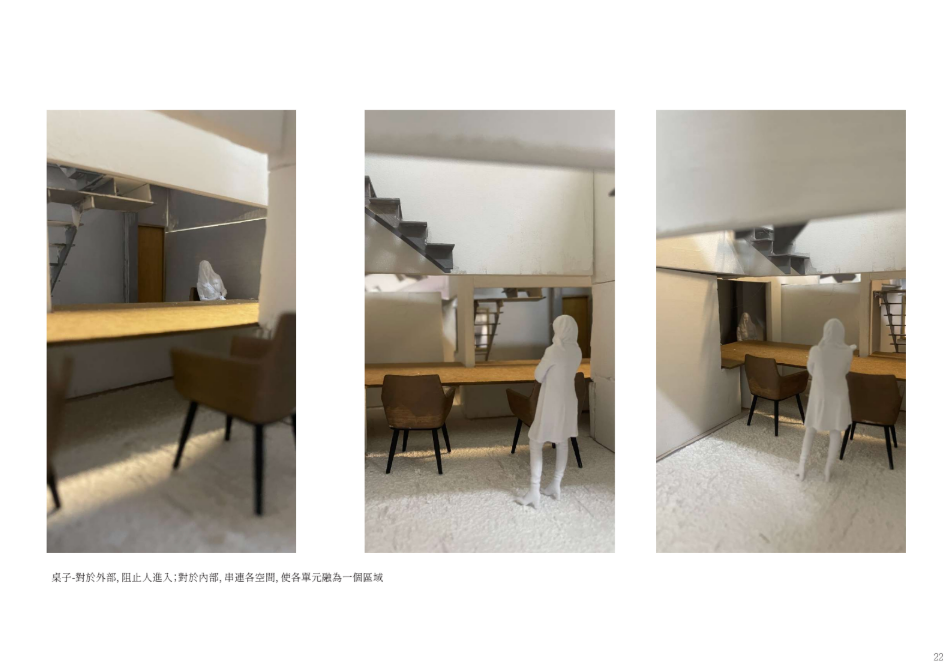
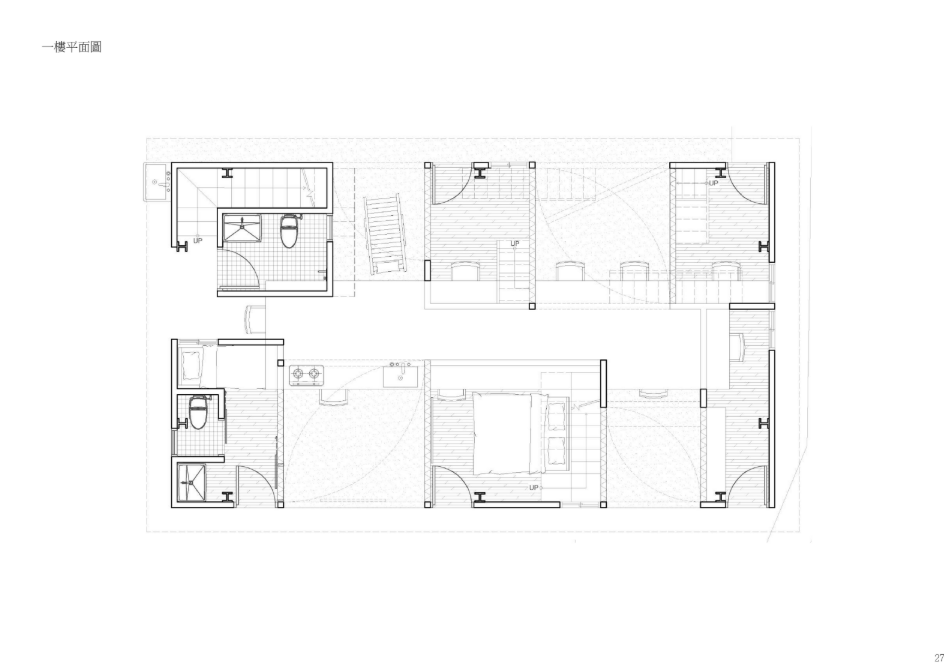
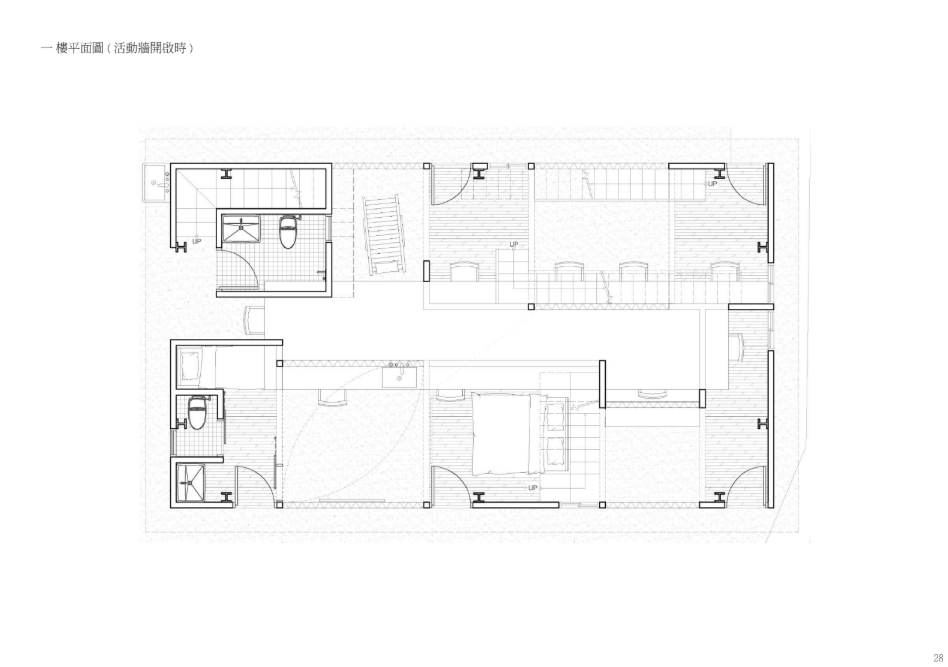
我嘗試以空間的流動與關係的連結為核心,藉由多重歸屬地的重塑,探索家庭空間的更多可能,重新構築家的本質。
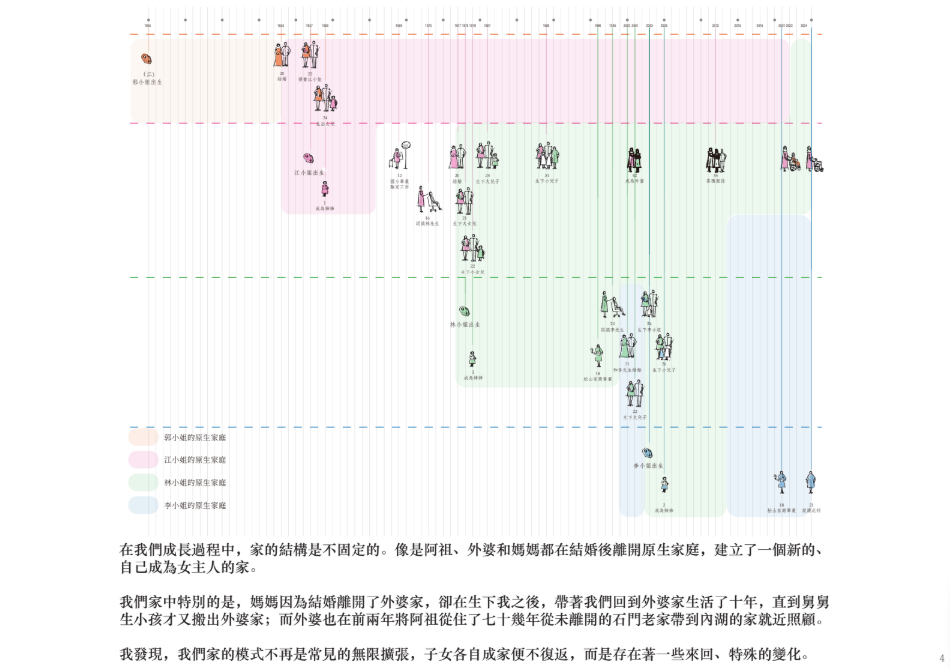
「家」不僅是物理結構的總和,更是情感與記憶的流動容器。它能穿透時間與空間,在多重節點間持續生成關係與意義,讓家的定義在移動與交會中不斷被更新。
–
Home is a space that shelters daily life, but more profoundly, it is a realm where emotions intertwine.
Yet modern residential design often overemphasizes functionality, neglecting the emotional needs and depth of interaction within familial relationships. When “home” becomes a vessel for role-based pressures, communication among family members is squeezed into the cracks between efficiency and expectation, easily leading to misunderstanding and emotional distance.
Can we break free from the conventional framework of residential architecture and reinterpret the essence of “home”?
When home design is no longer confined to utility but instead liberates the emotional dynamics within relationships, family members can step out of the constraints of their roles and rediscover one another. In this mindset, the boundaries of “home” are no longer limited to fixed dwellings, but extend to the workplace, the ancestral house held in memory, and every place that bears the rhythms of everyday life. These diverse spaces collectively form a bridge that connects love and understanding.
I aim to explore the essence of home by focusing on the fluidity of space and the interconnectedness of relationships—reimagining a home composed of multiple places of belonging.
“Home” is not merely the sum of physical structures; it is a vessel for emotions and memories in constant motion. It transcends time and geography, generating connections and meaning across multiple nodes, continuously reshaping the definition of home through movement and encounter.