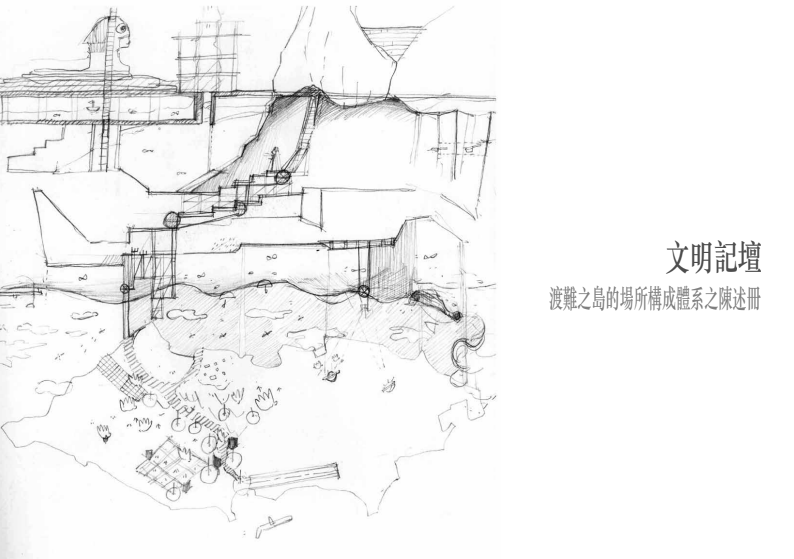
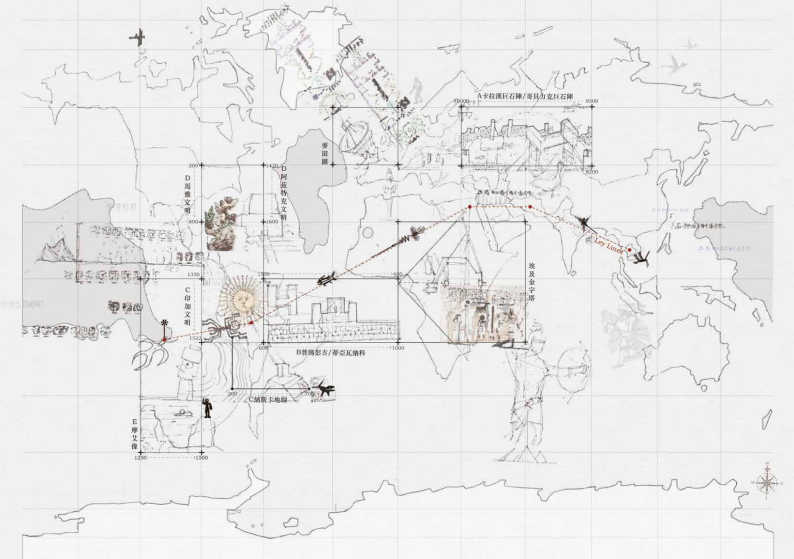
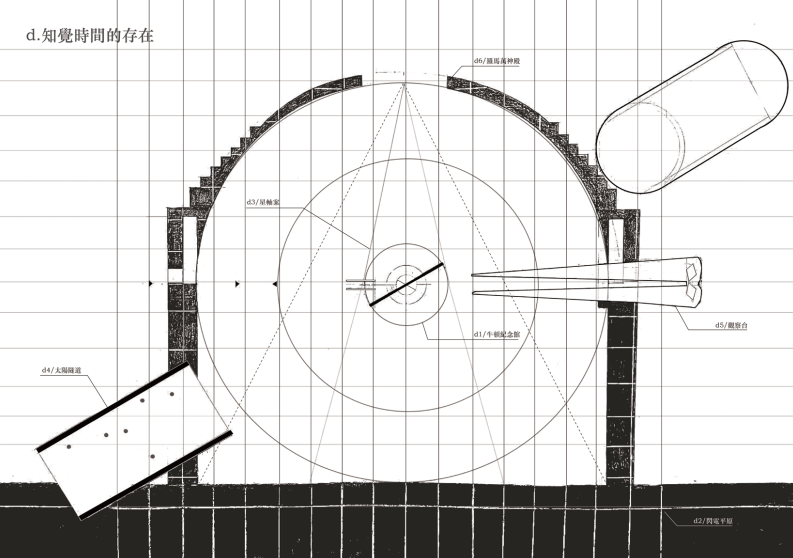
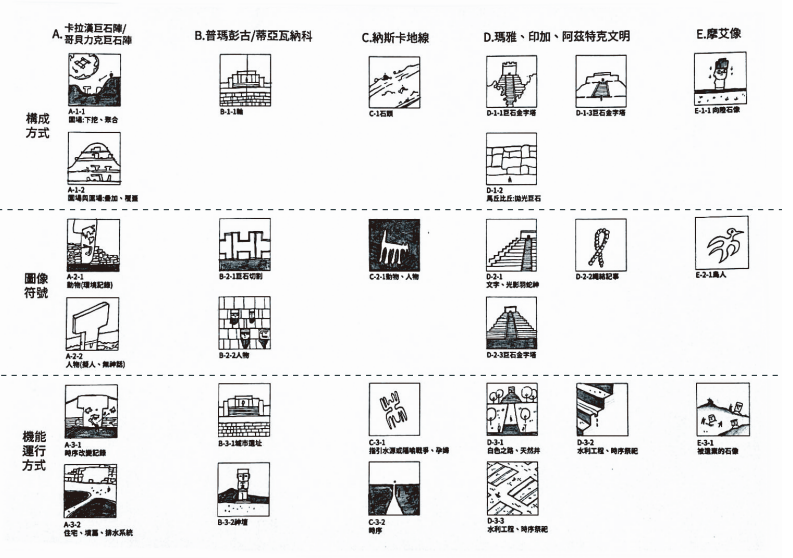
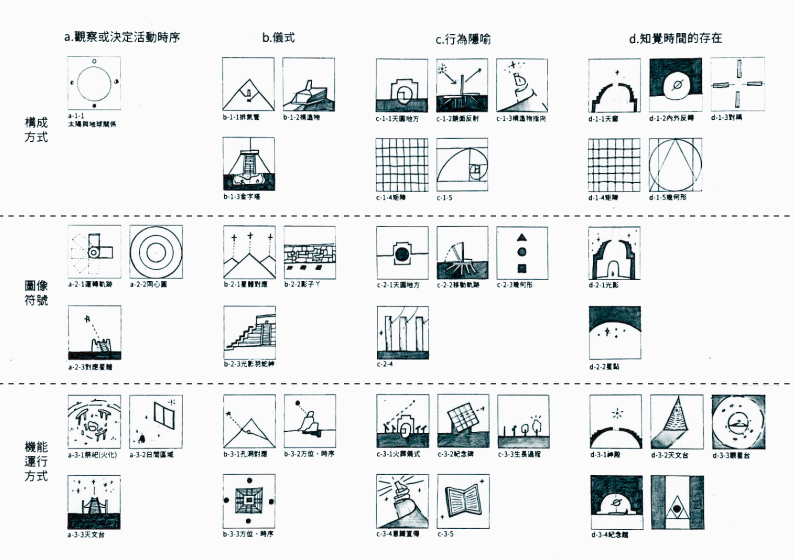
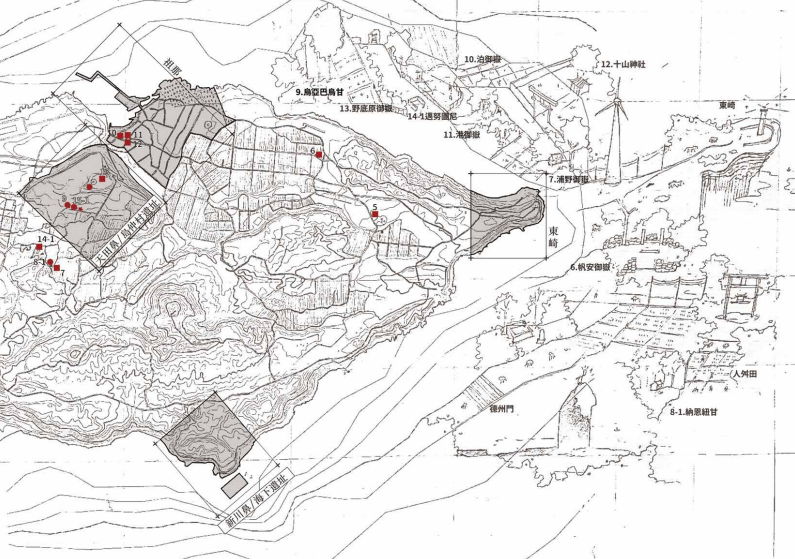
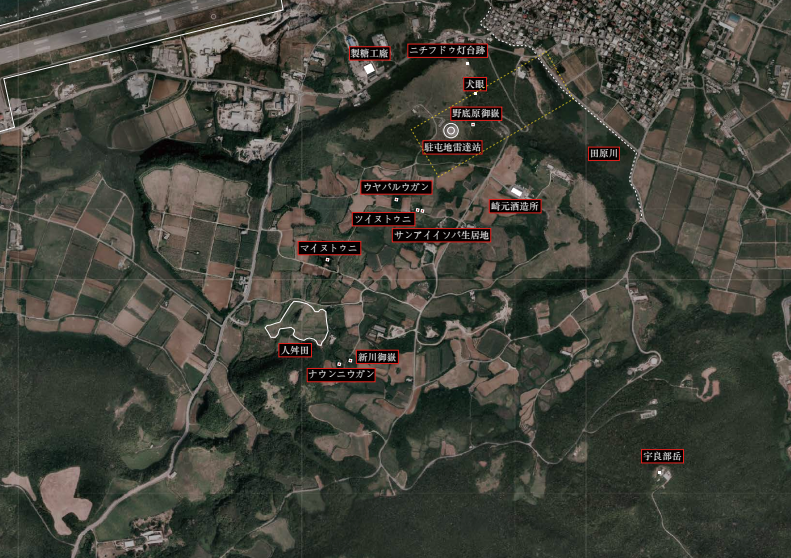
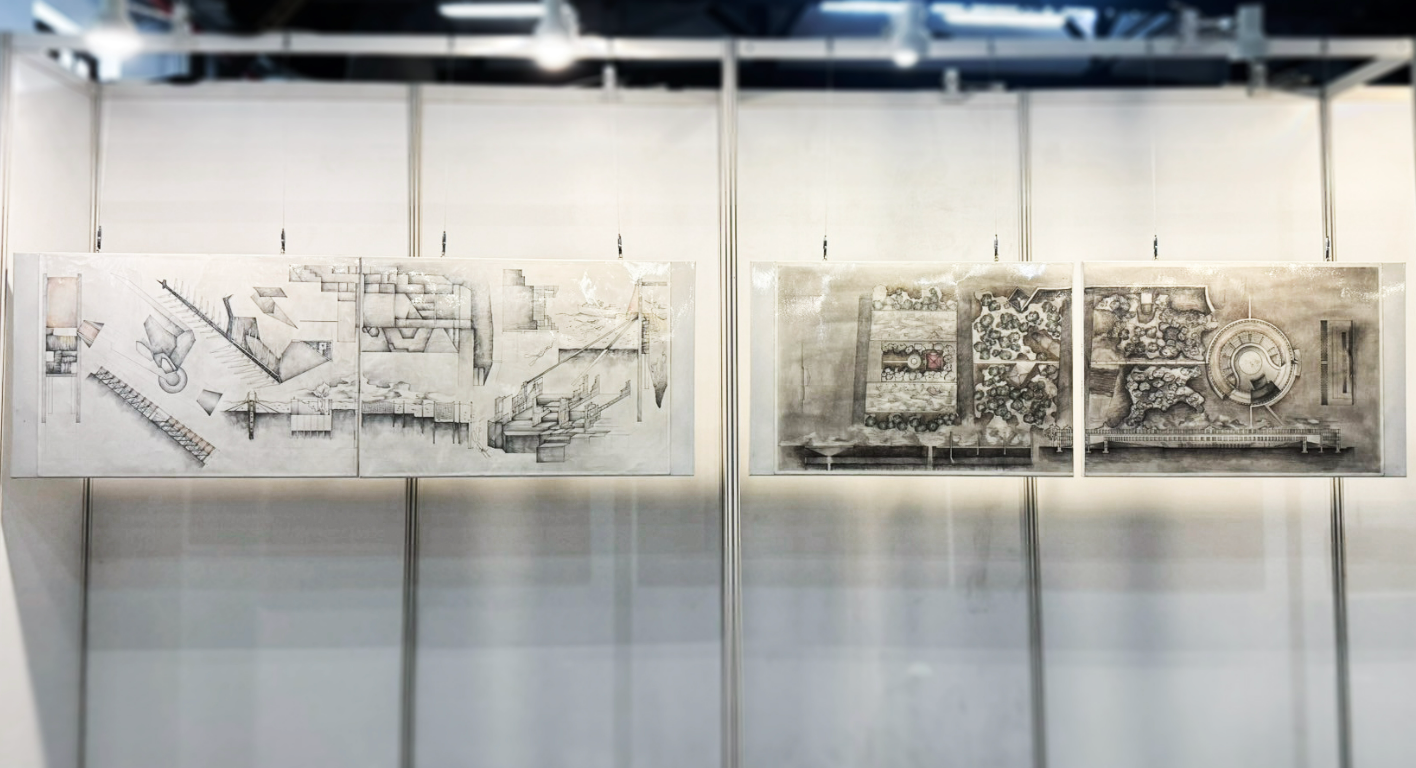
以太平洋沉沒的姆大陸傳說為起點,設計尋徑至日本西端邊境的與那國島。島民獨有的農漁產業與祭典儀式編織成日常生活,逐步形塑出自成一格的構築語系。以「生活文明」為脈絡,探討島嶼與失落大陸之間的潛在連結,鋪陳一種未來考古的伏筆。
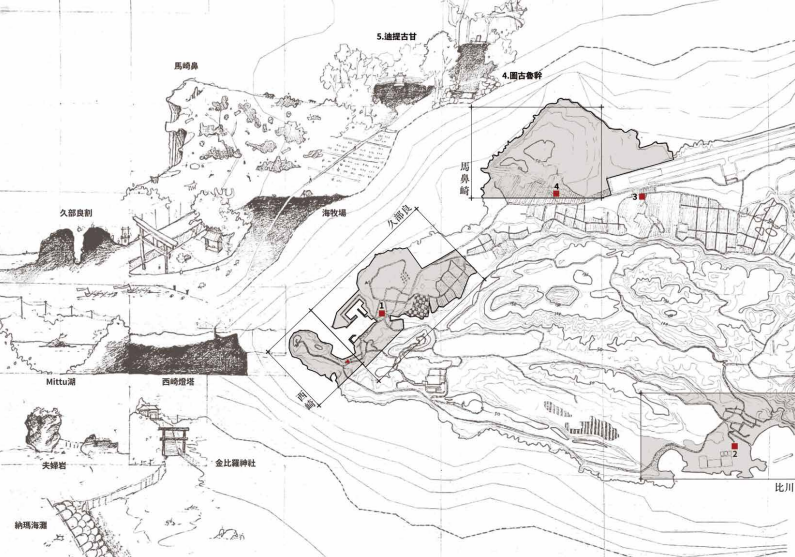
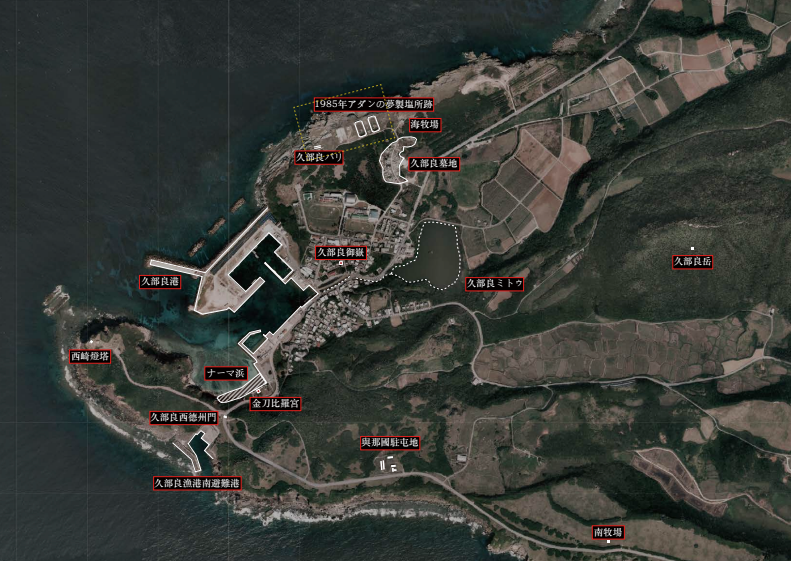
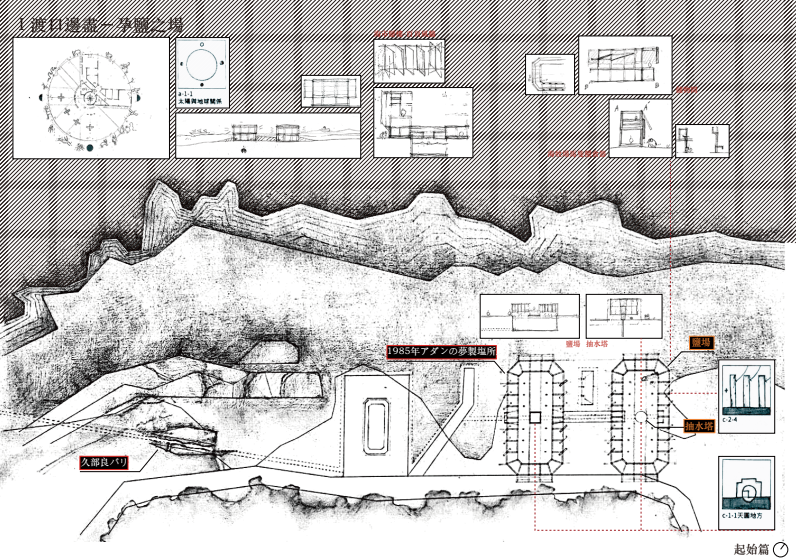
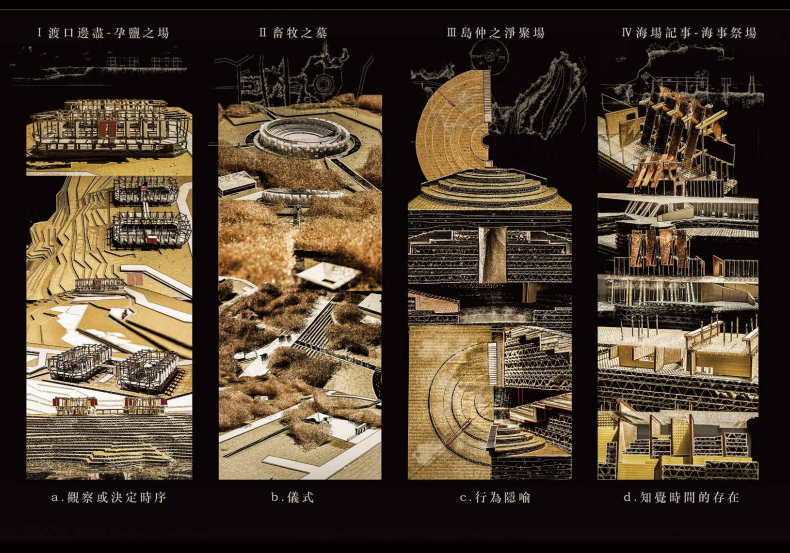
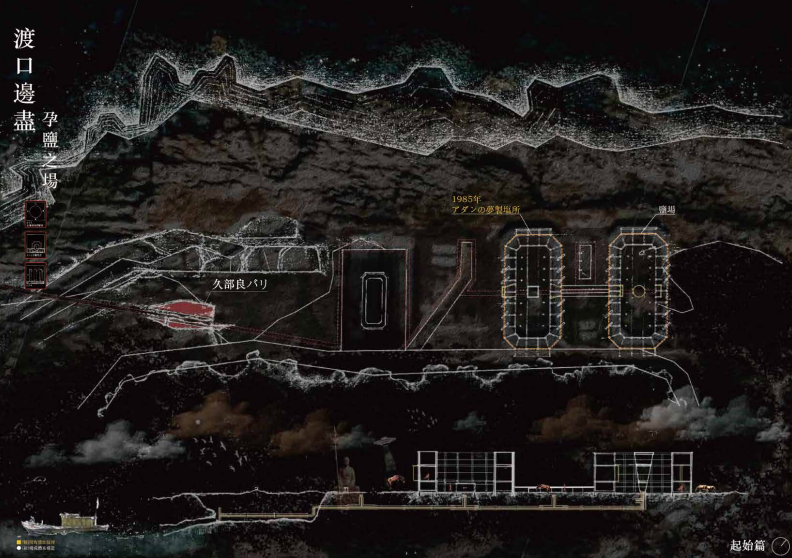
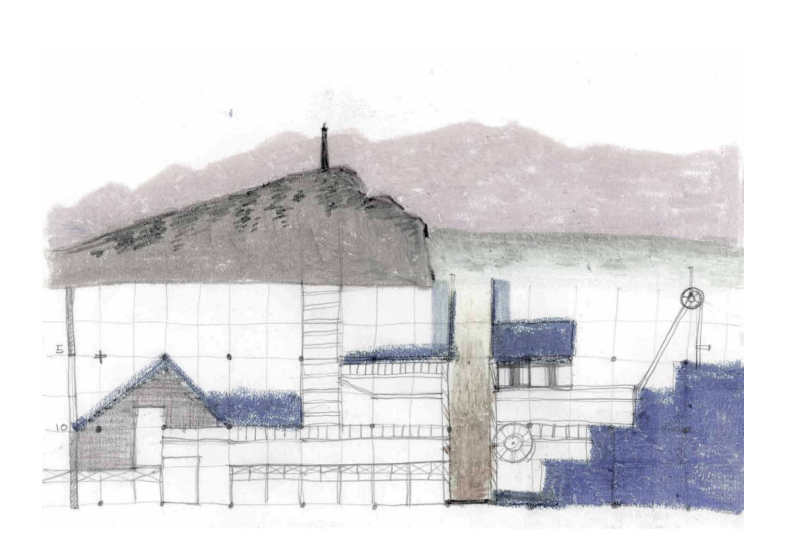
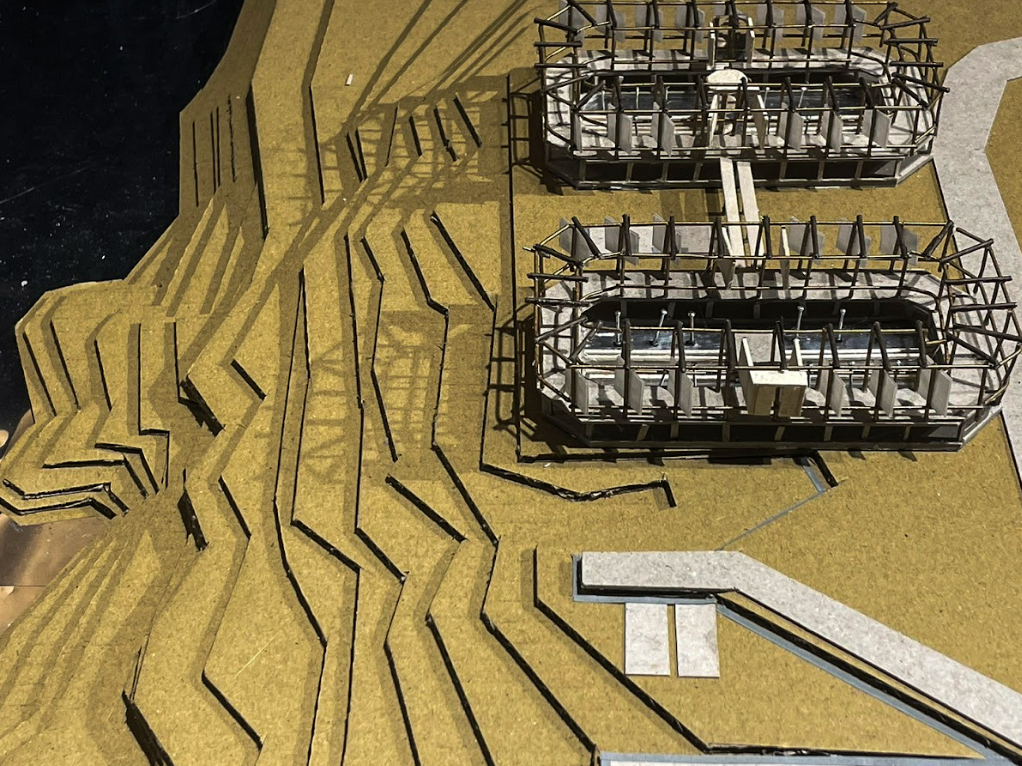
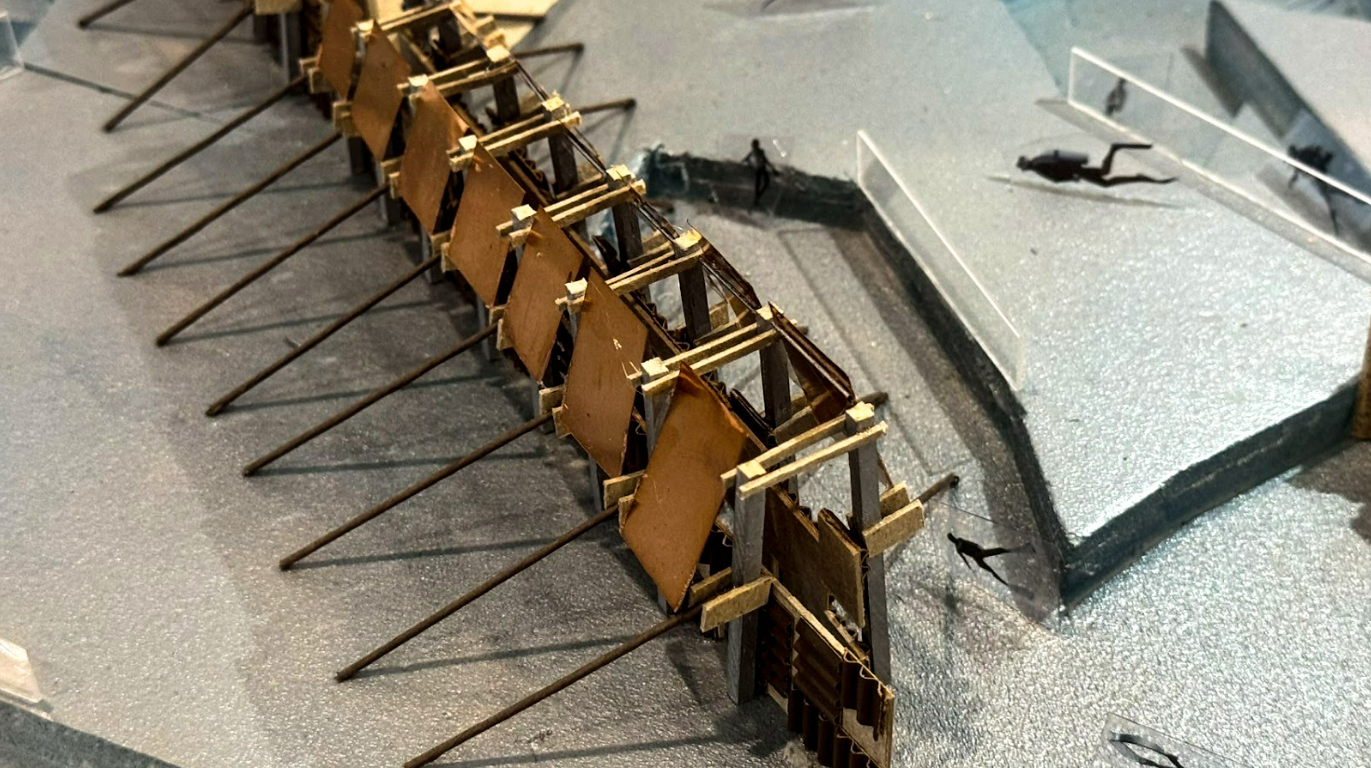
登島之始,位於久部良港的鹽場遺址成為首個節點。「孕鹽之場」轉譯海市蜃樓現象為風牆百頁,形塑陸海交界的視覺假象,並重構鹽場與牧場之間的儲餵系統。
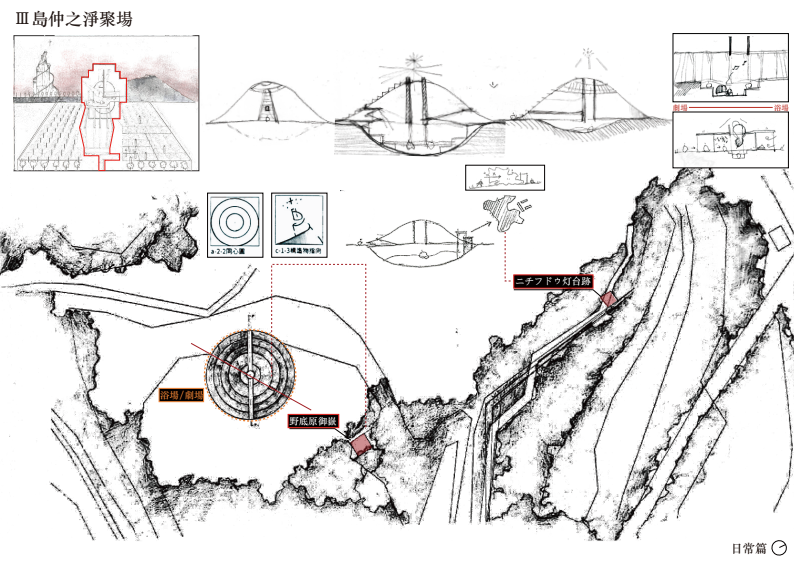
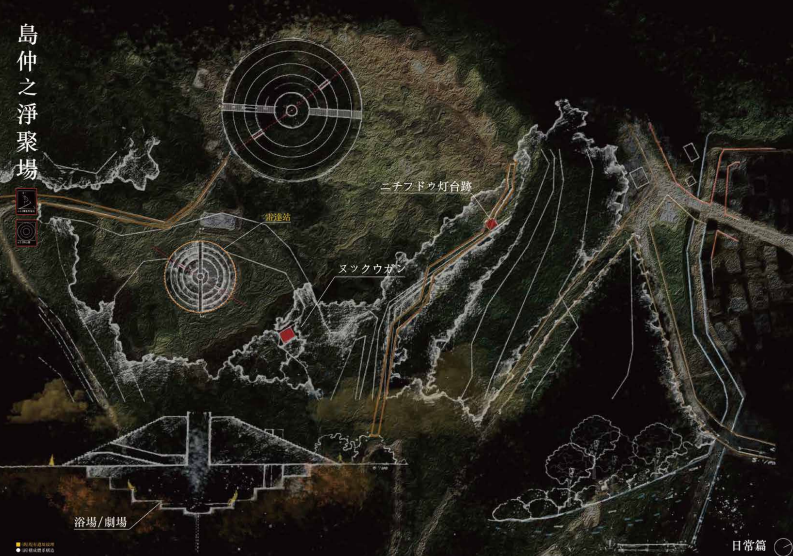
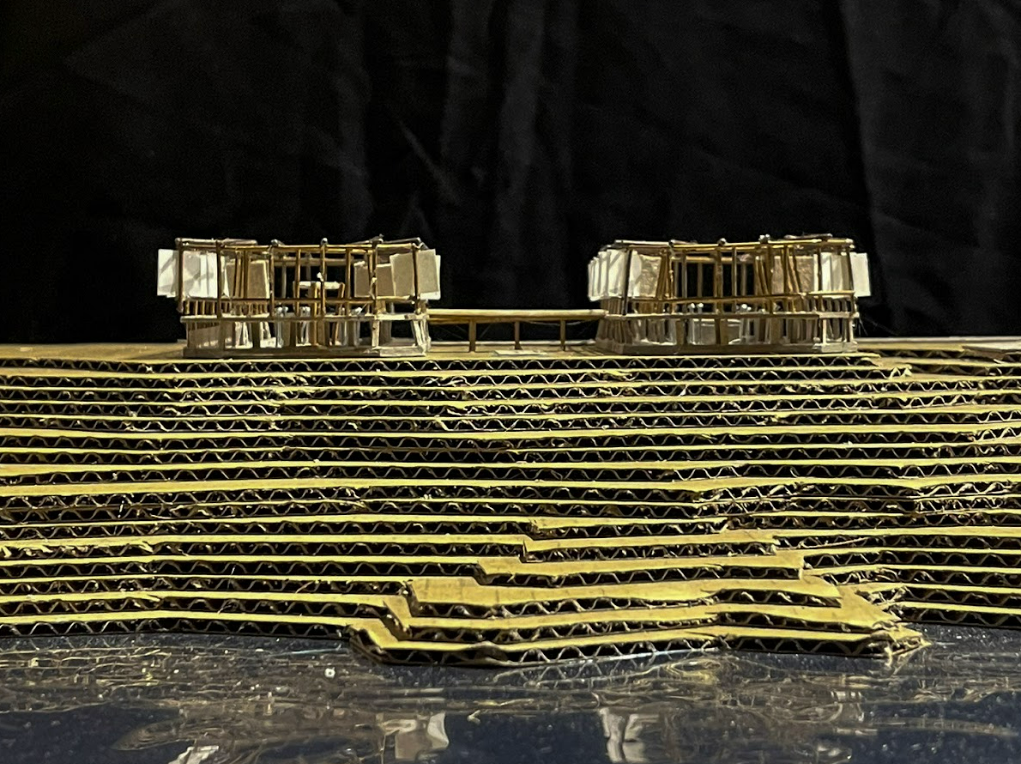
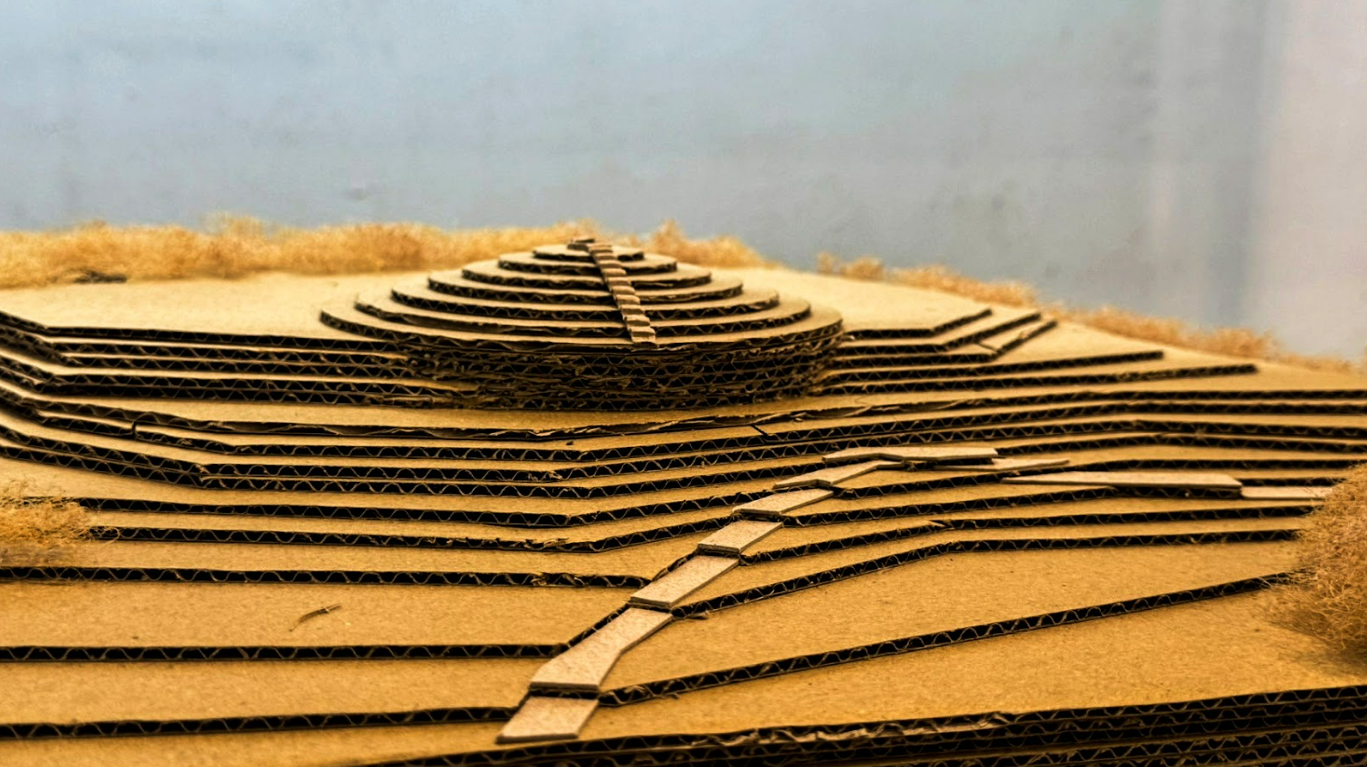
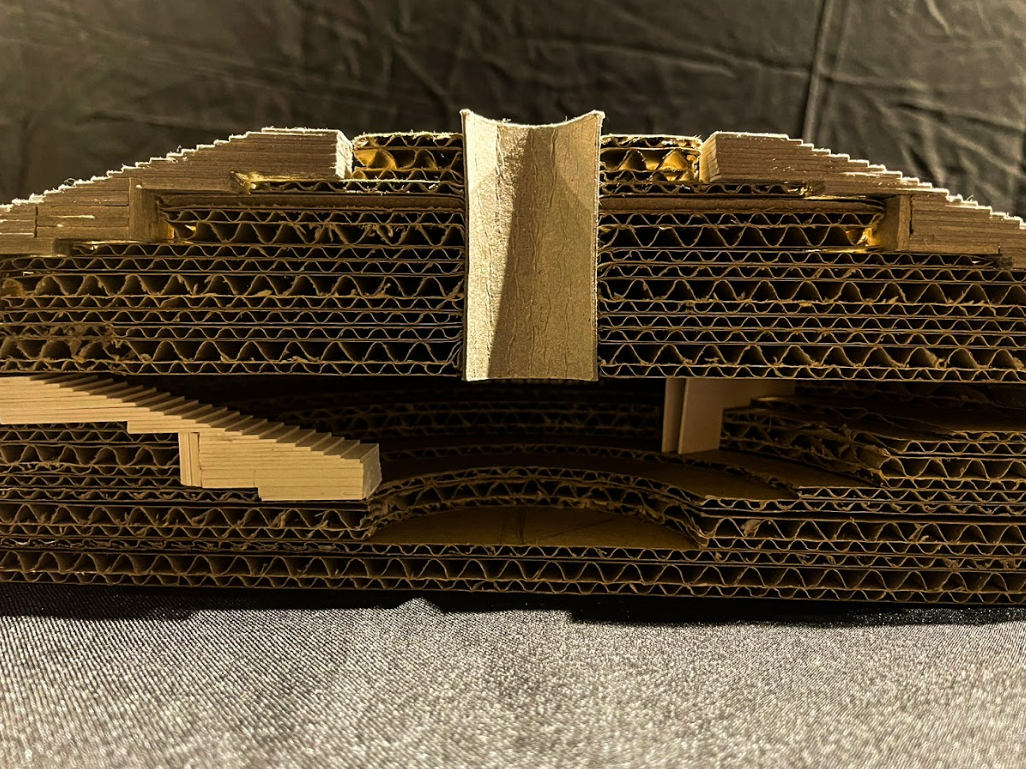
中繼於島中央舊聚落島仲村,是祭儀匯集的信仰中心。「淨聚場」設於既有土丘內,導入泡澡文化,融合浴場與劇場機能,以水為媒介,洗滌身心、映照日常。
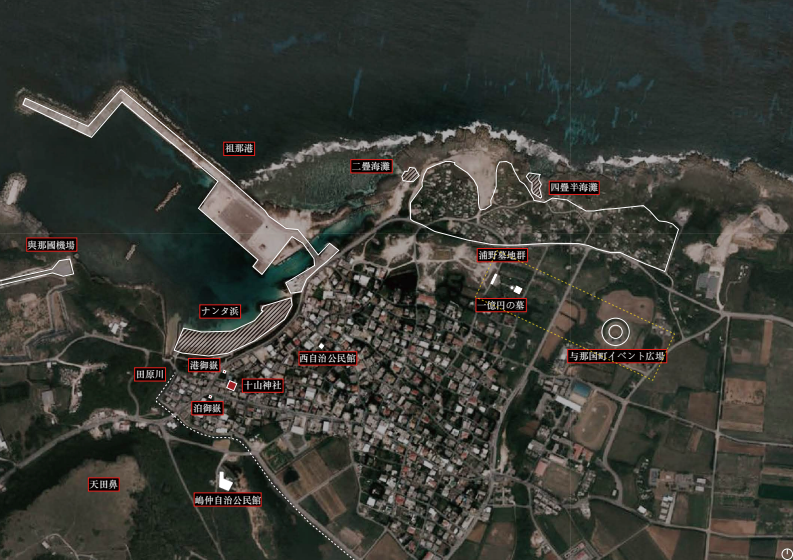
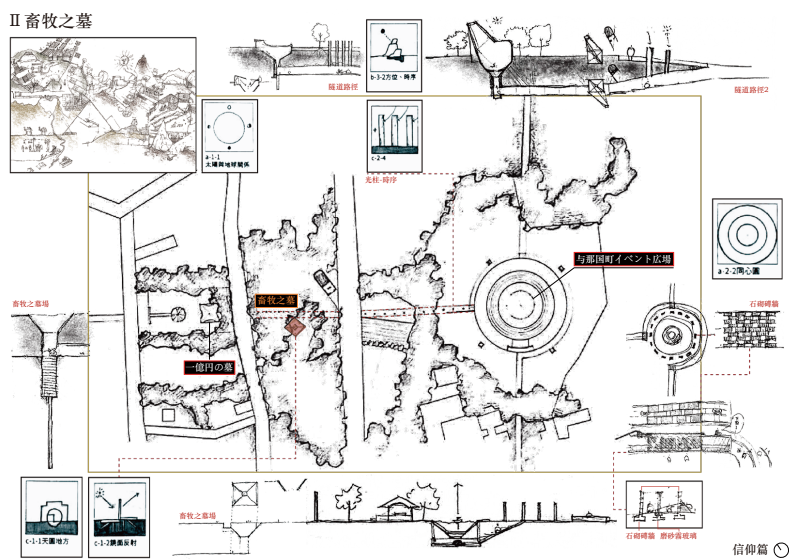
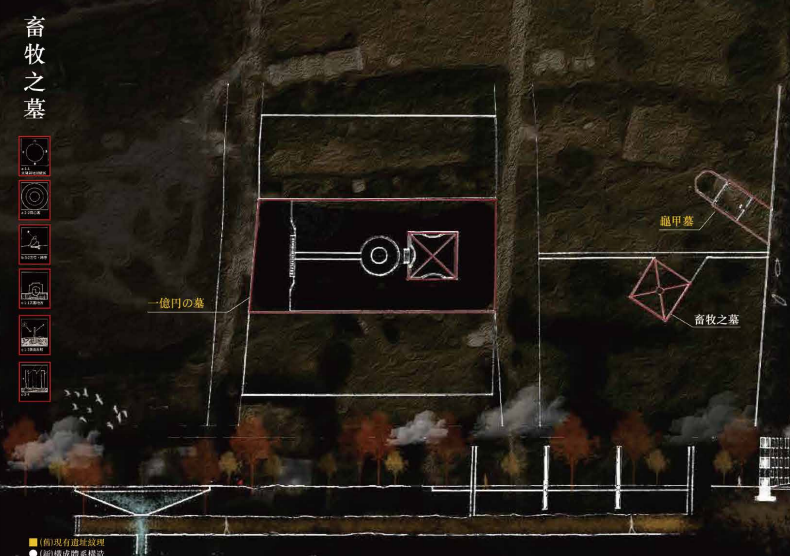
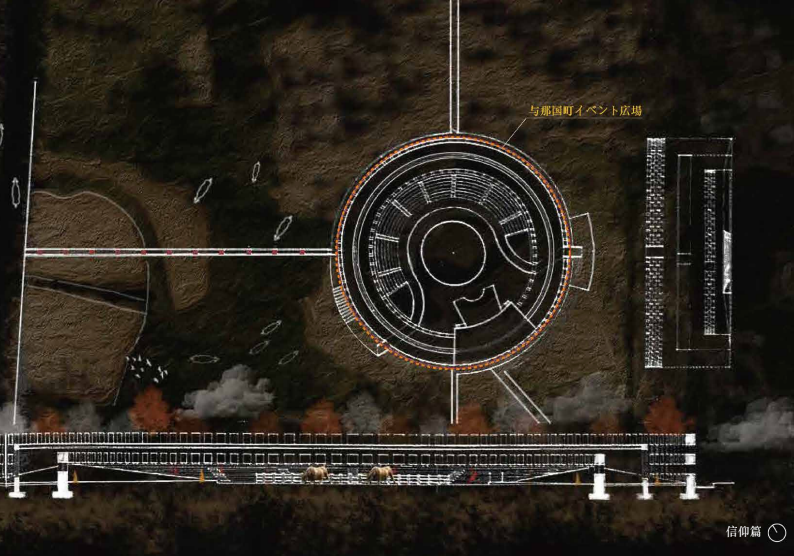
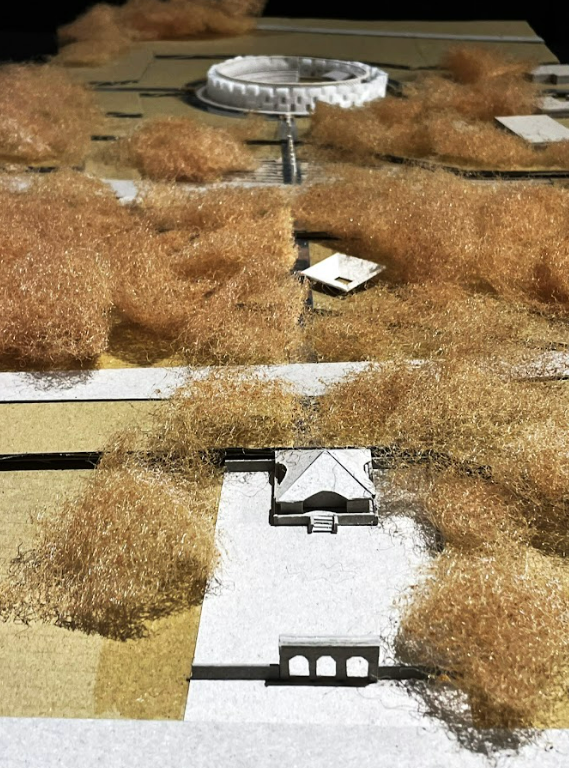
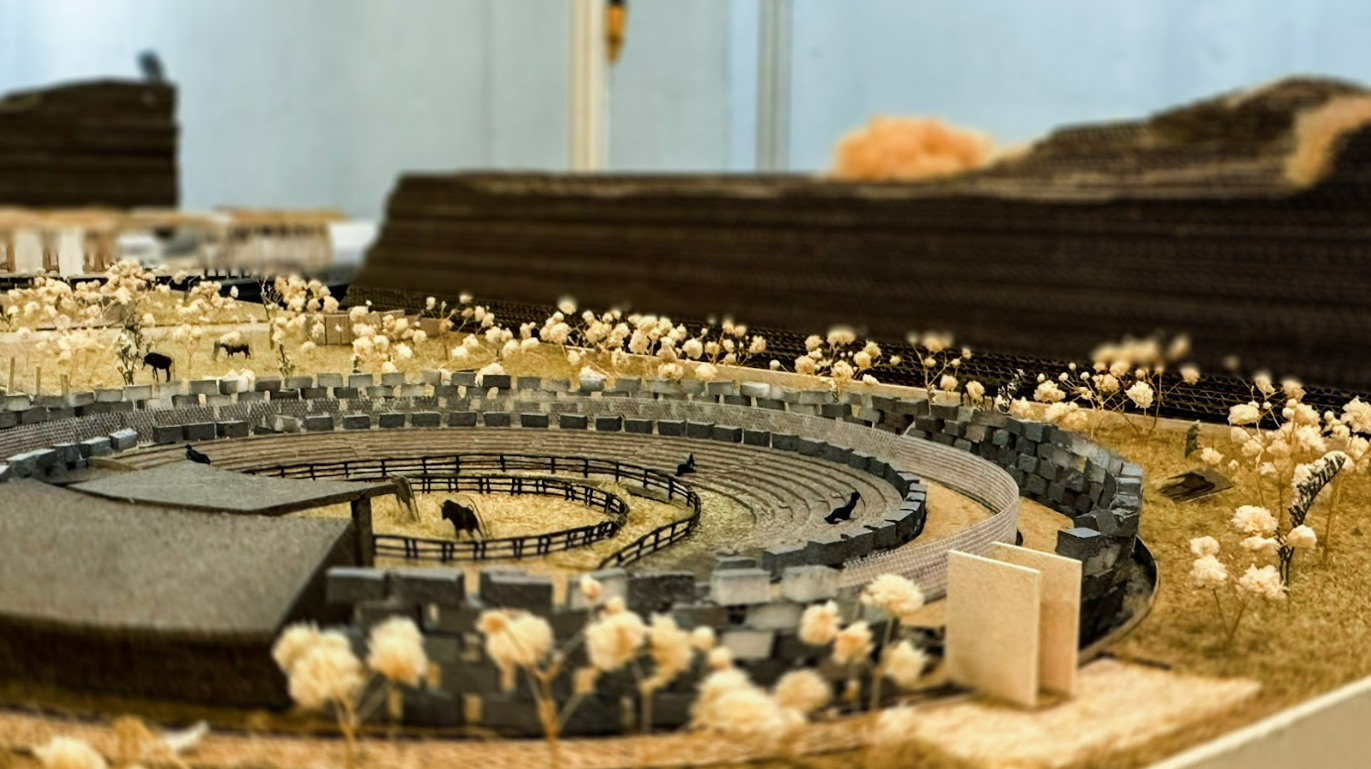
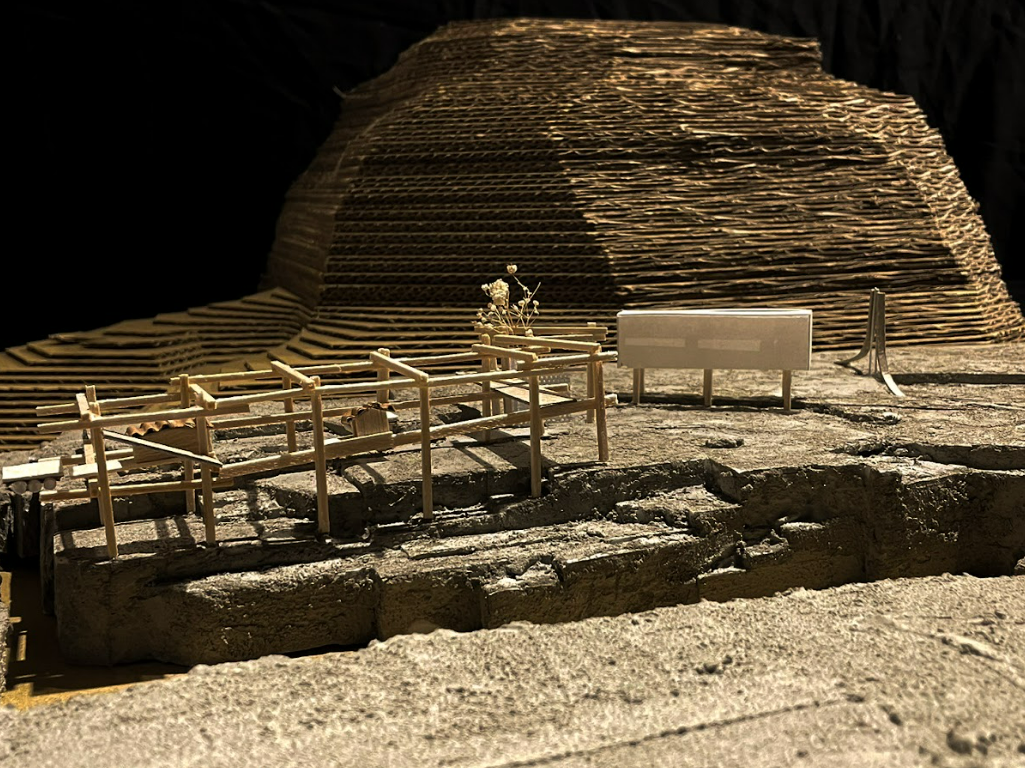
其下的祖那村擁有鬥牛場與墓地群,設計於其間構築「畜牧之墓」,地底通道連接生死兩端,以霧玻璃圍牆與雨水作用呈現人與自然的消融與融合,並引島上祭儀河川灌沐此場域。
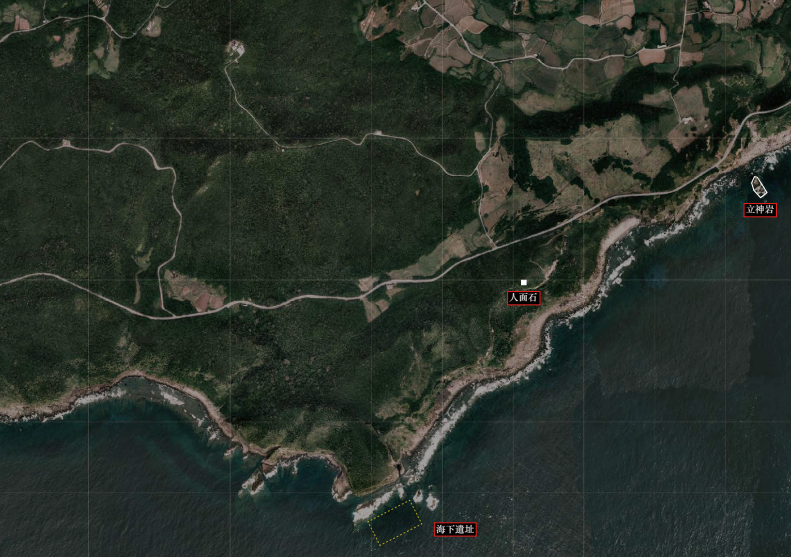
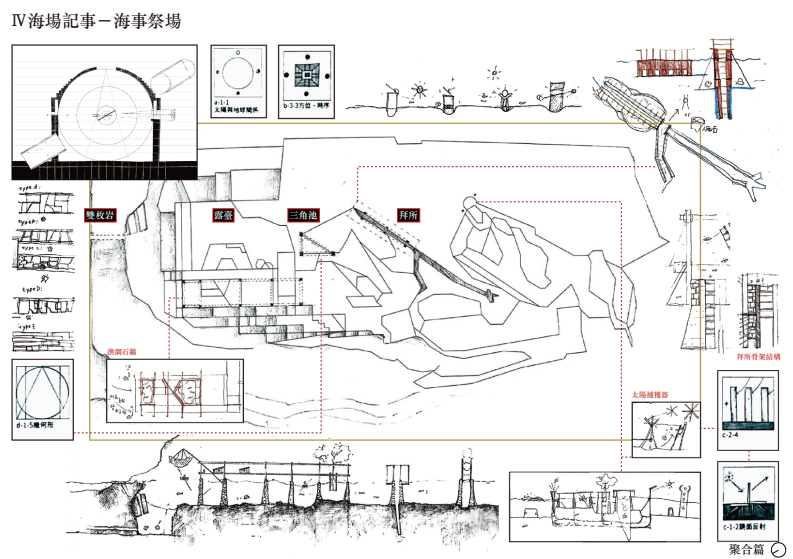
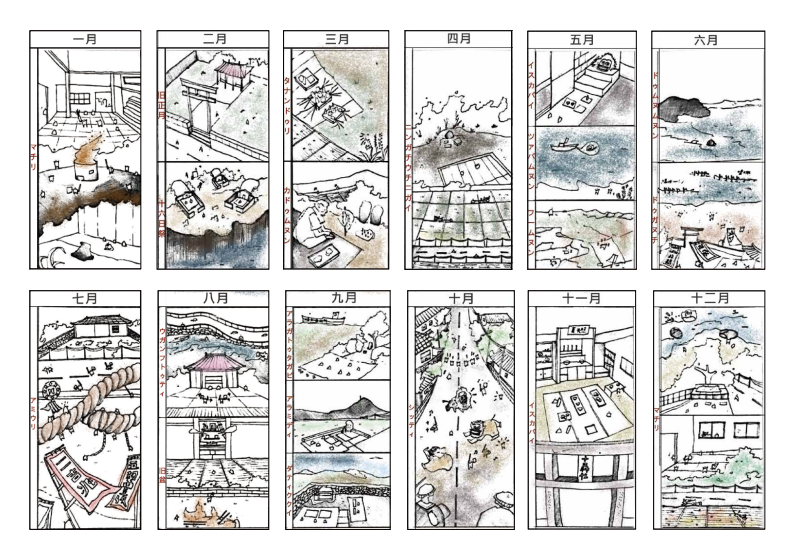
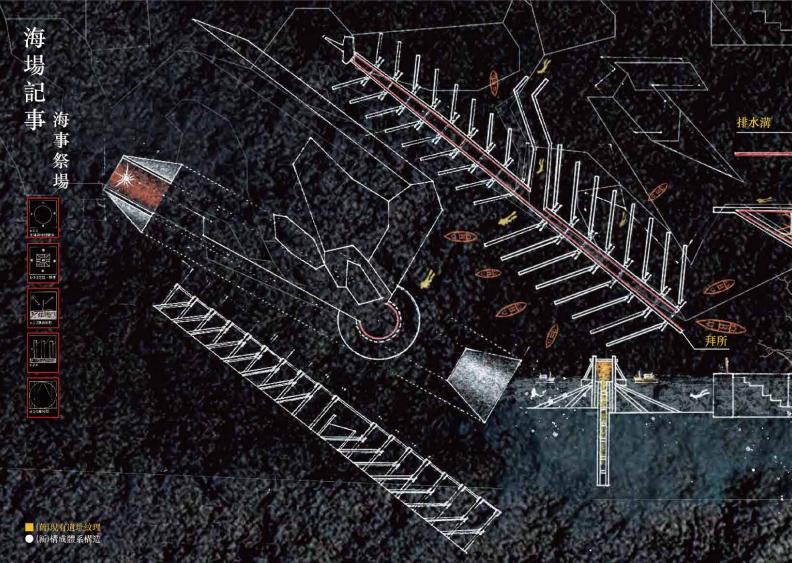
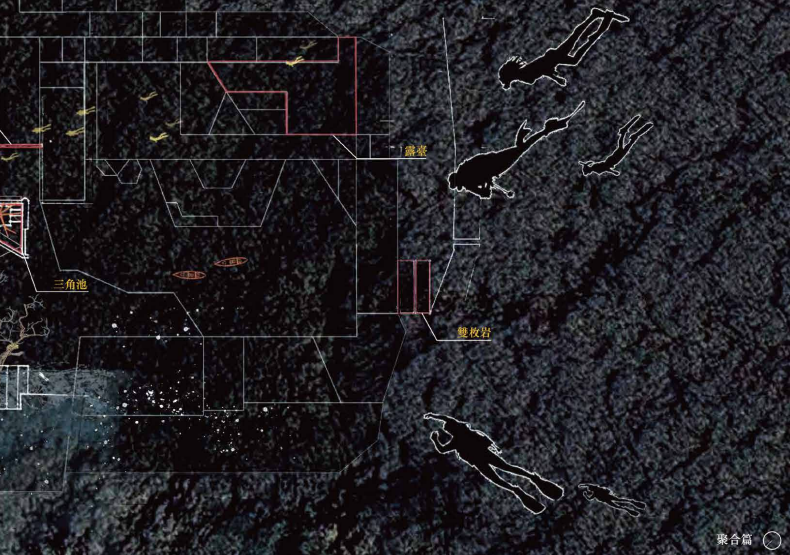
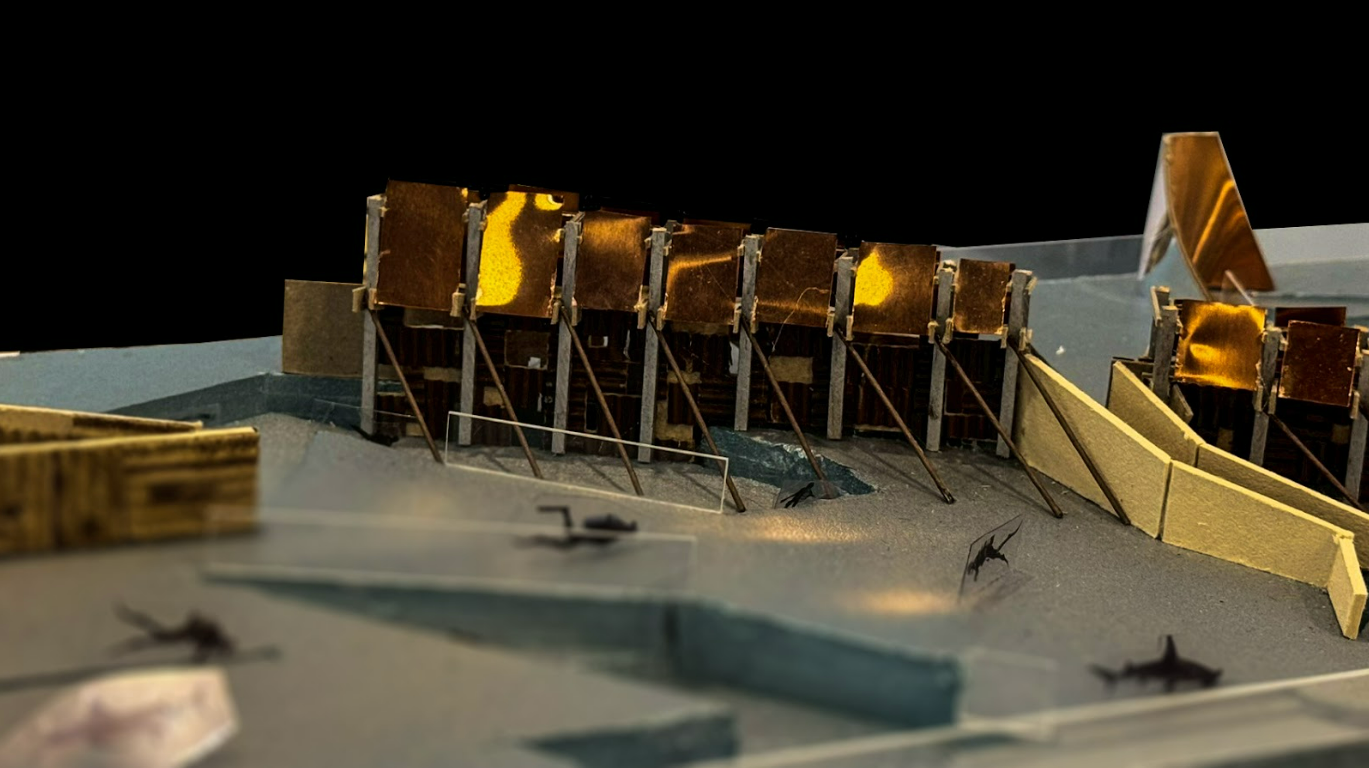
最終來到島嶼南側海底的古文明遺址,轉化為「海事祭場」。於傍晚時分,捕魚火光映照於銅面,微光灑落海面,如喚醒沉沒記憶般啟動產業儀式,將過去拜所幻化為未來可被閱讀的事件場域。
從生存機制到生活習性,接著信仰場域到文明遺構,建構出時間與空間交織的「文明記壇」,讓島嶼既為日常生活的編碼者,等待未來成為可被閱讀的考古場域。
–
Monument of Civilization – Spatial System on an Island of Passage
Rooted in the legend of the sunken continent of Mu, this project explores Yonaguni Island through its rituals, landscapes, and the everyday life of its people. The design traces a spatial sequence that connects survival, belief, and memory—proposing the island as a future archaeological field.
The journey begins at Kubura Port, where a former salt field is reimagined as the “Salt Birth Ground,” using wind-responsive walls to create illusions between land and sea. Moving inland, a hill in the island’s central village becomes the “Purification Assembly,” a hybrid of bathhouse and theater that invites ritual cleansing and reflection. Further south, in Sonai Village, the “Pastoral Tomb” links bullring and graveyard through an underground passage, where rainwater and glass blur the boundary between life and death. The path ends at the island’s submerged ruins, transformed into the “Maritime Ritual Grounds,” where glimmers of fishing fire reflect off copper surfaces and awaken collective memory.
Through these layered interventions, the project constructs a Monument of Civilization—where space becomes a medium for myth, daily ritual, and time-bound transformation.