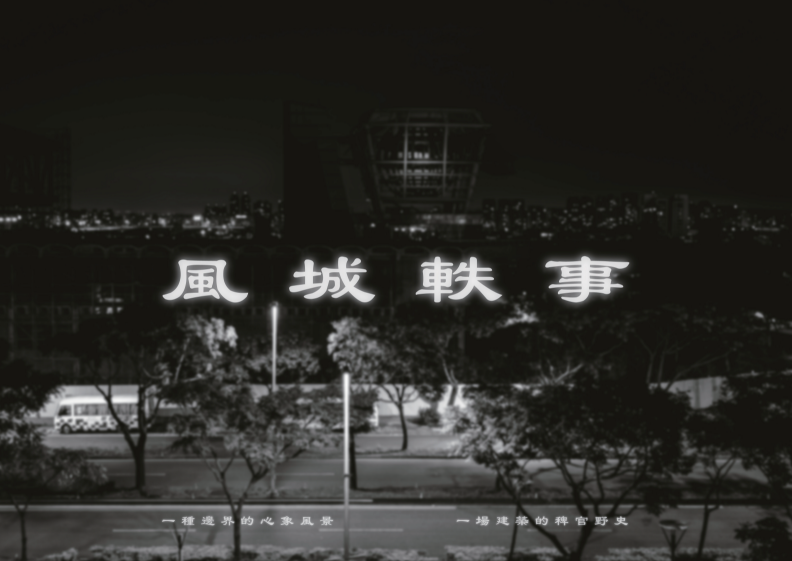
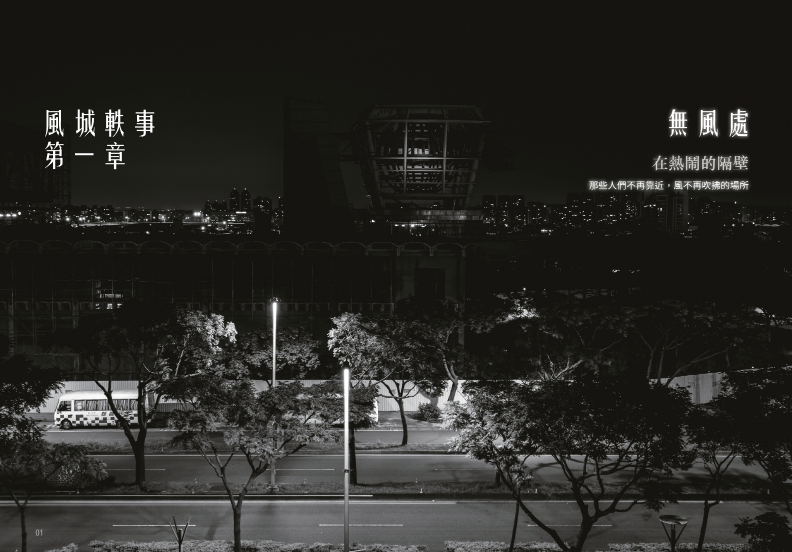
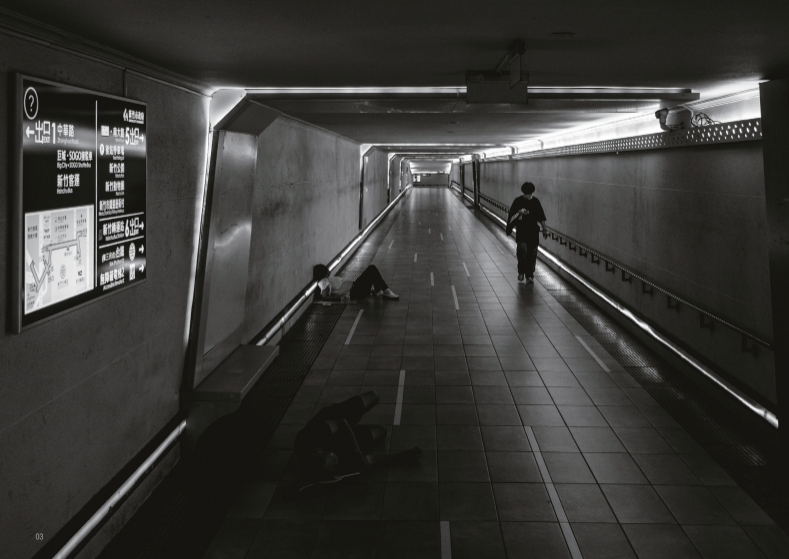
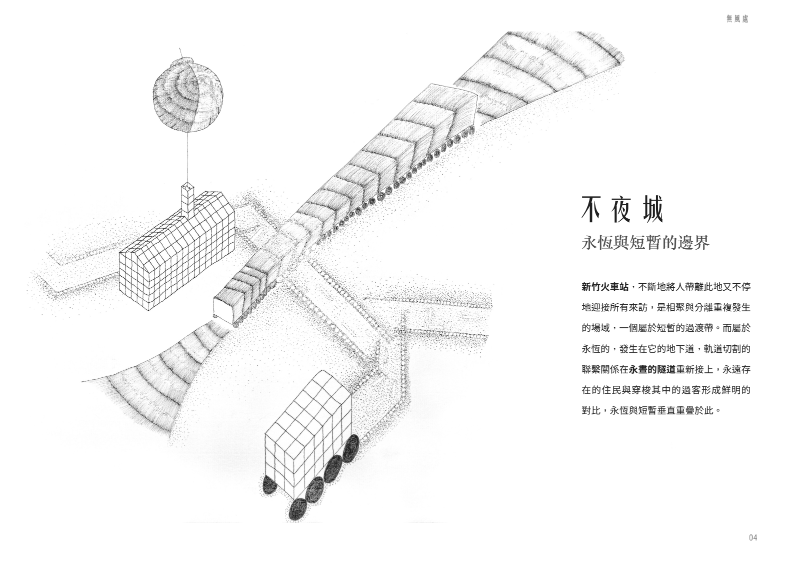
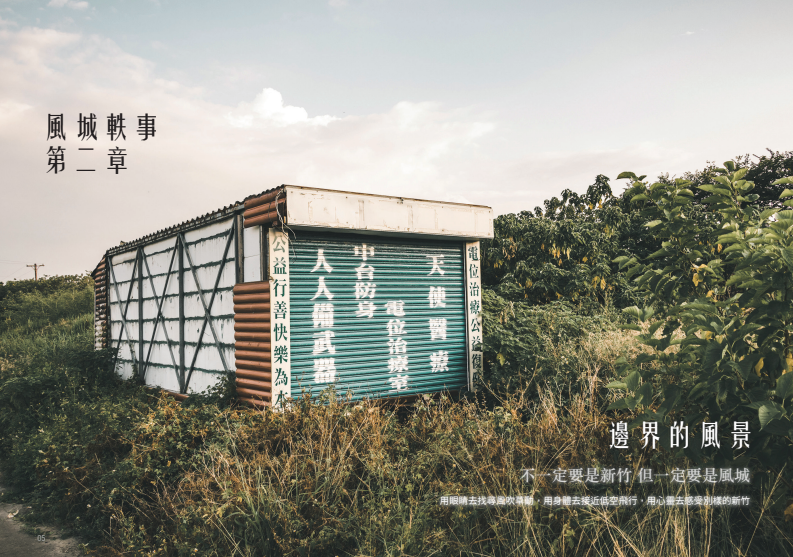
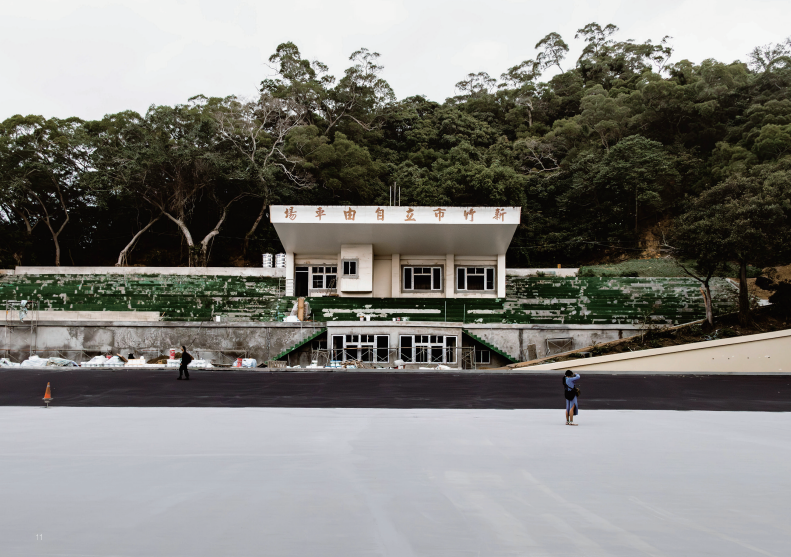
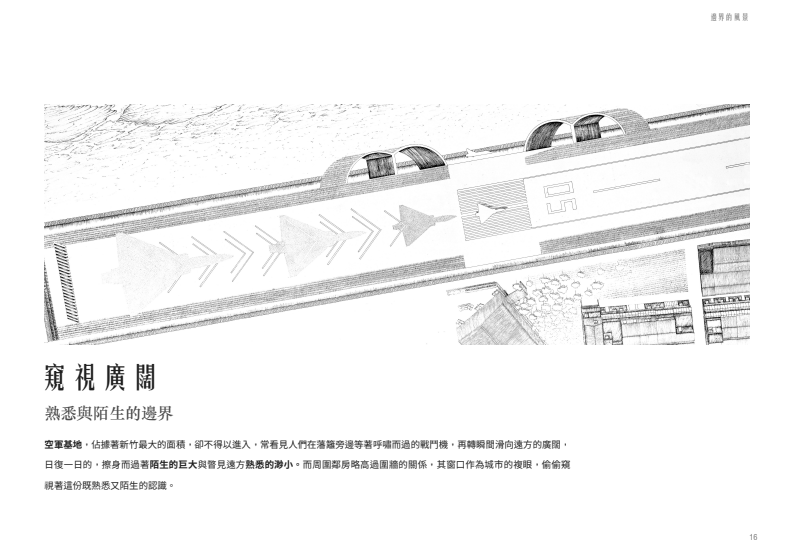
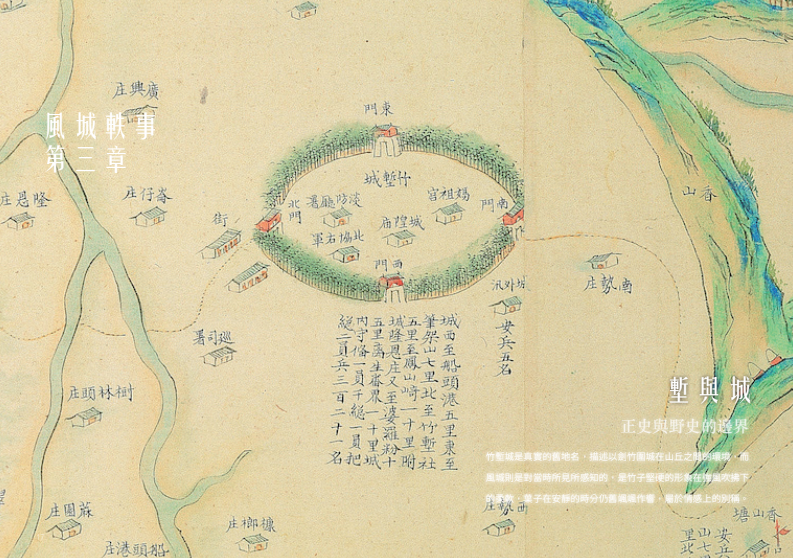
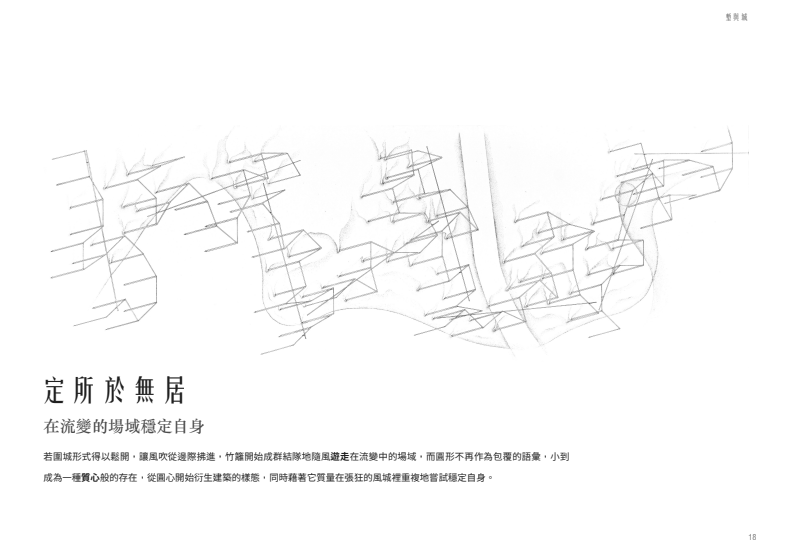
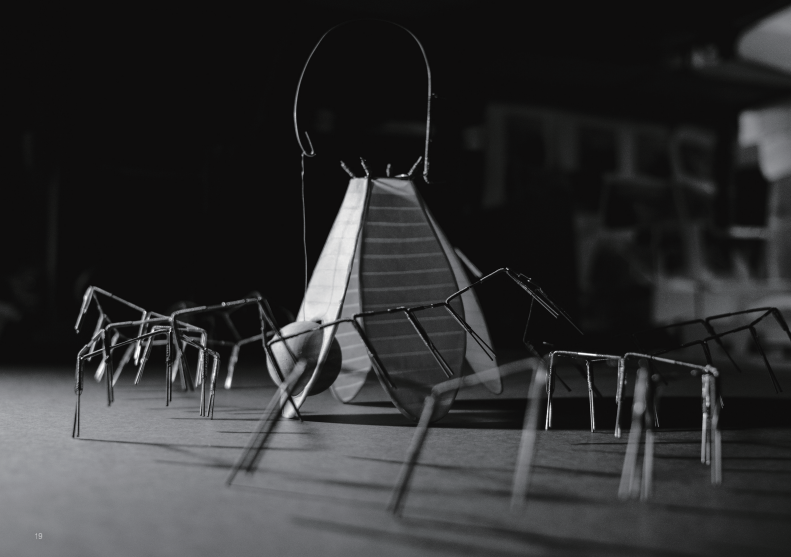
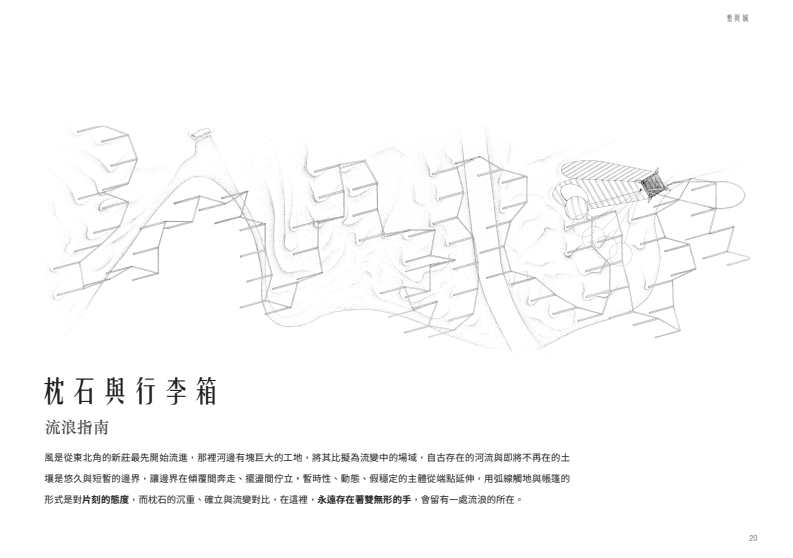
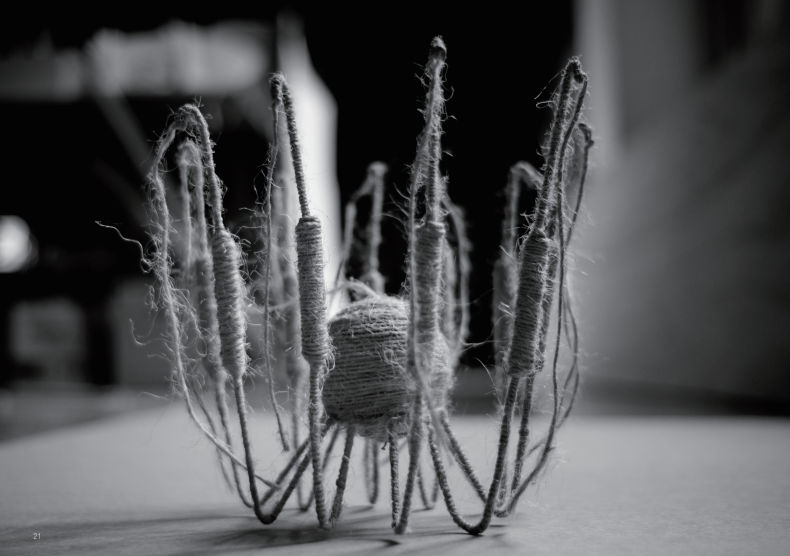
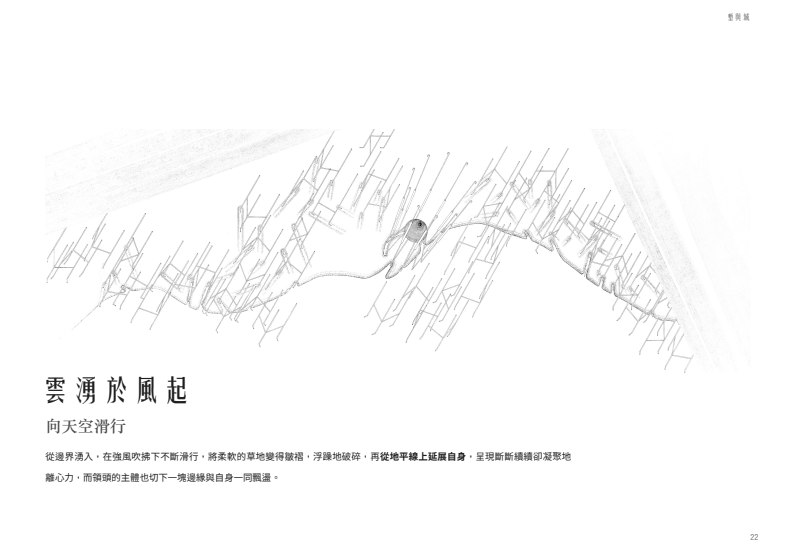
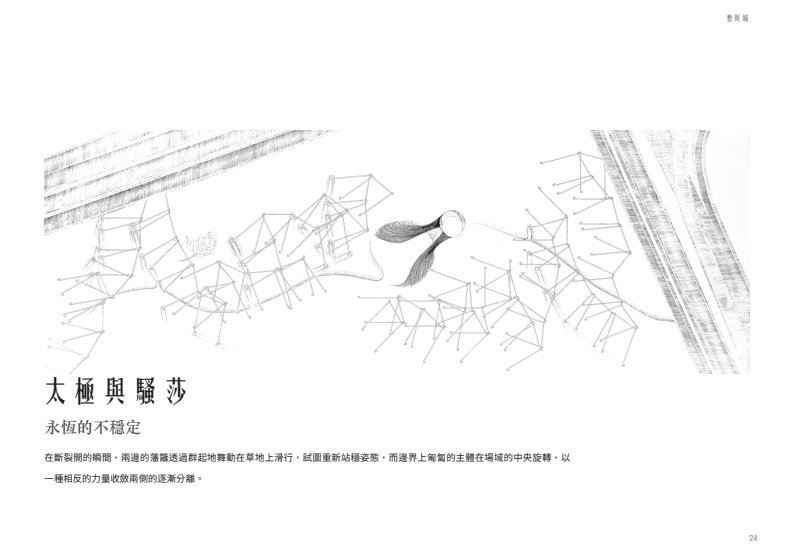
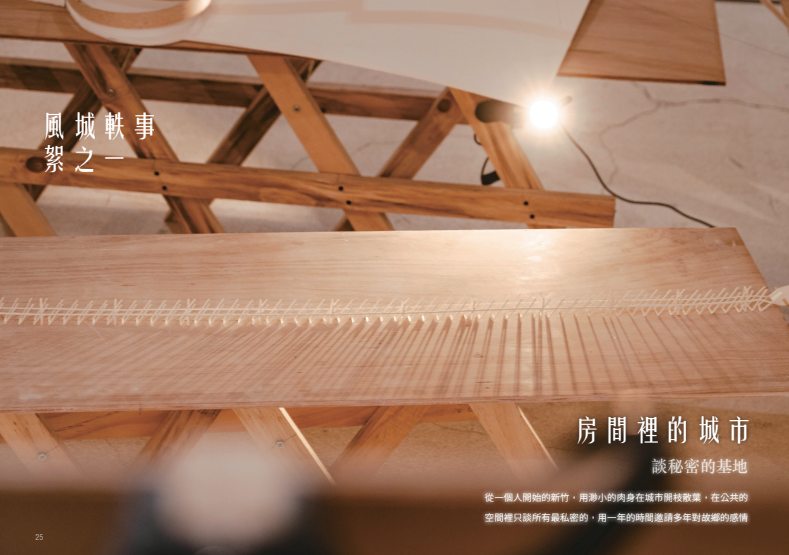
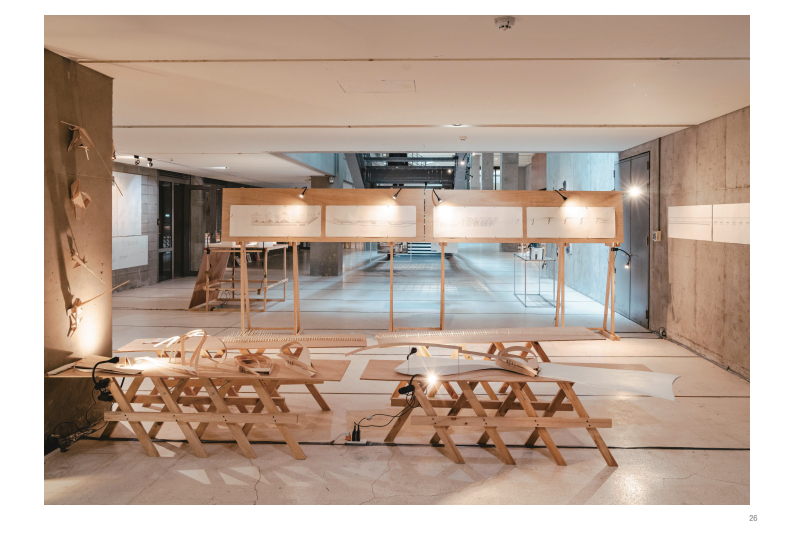
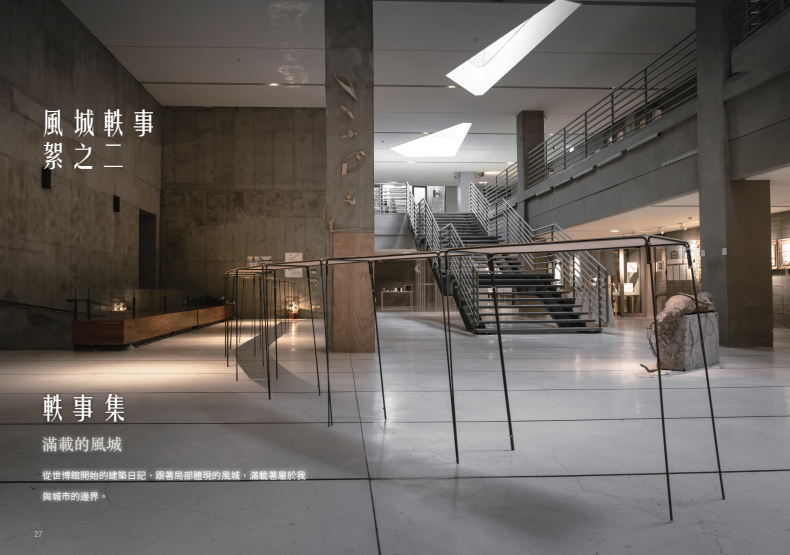
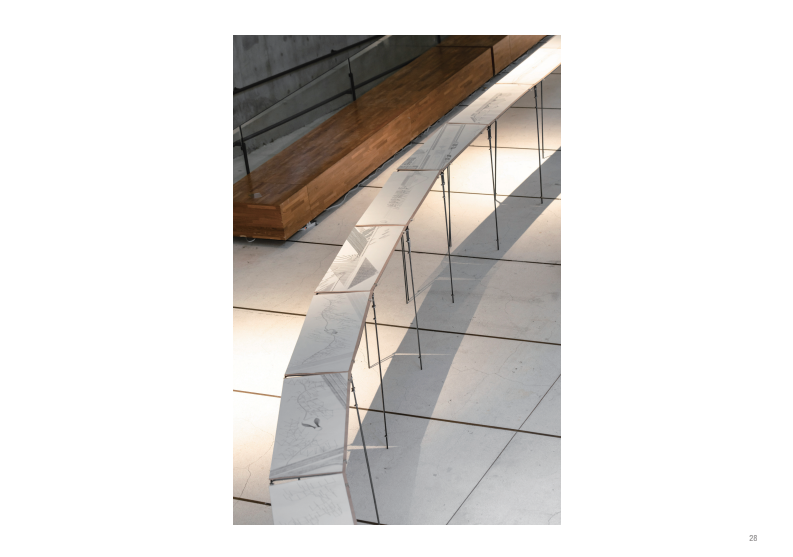
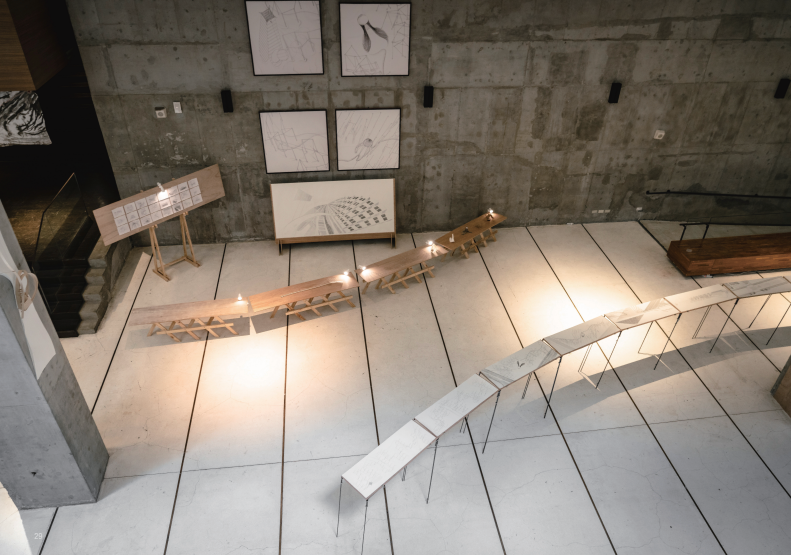
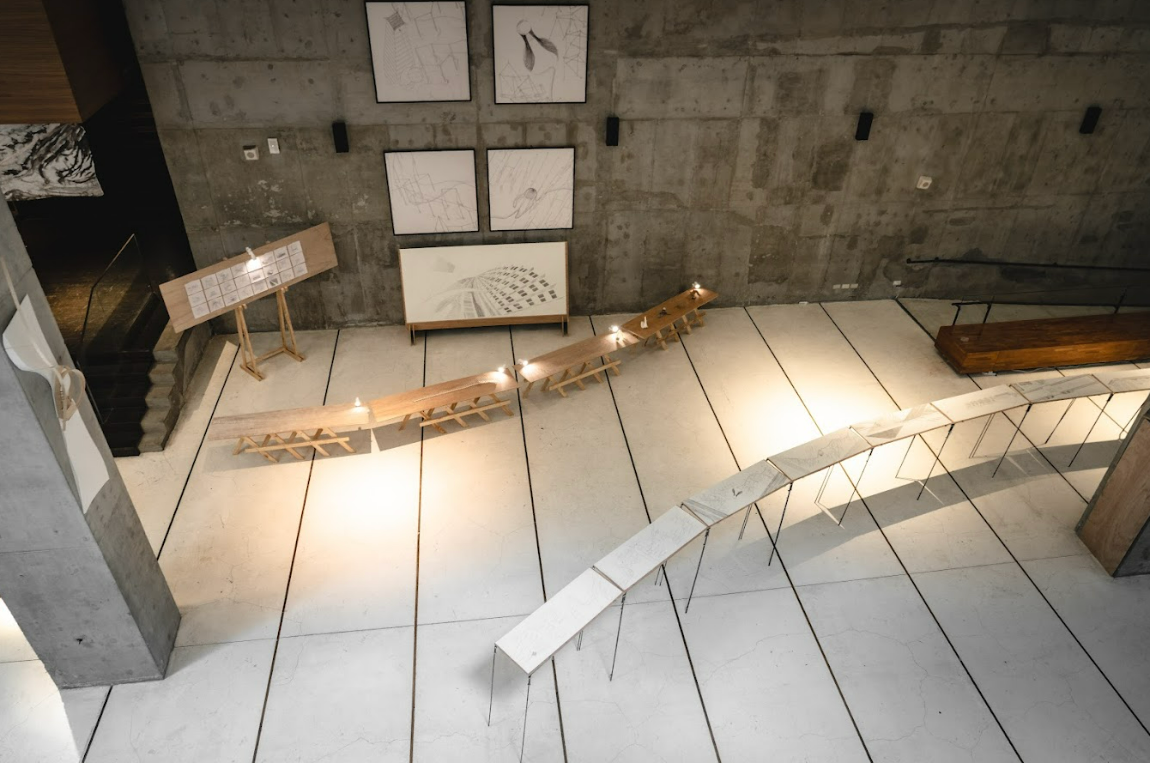
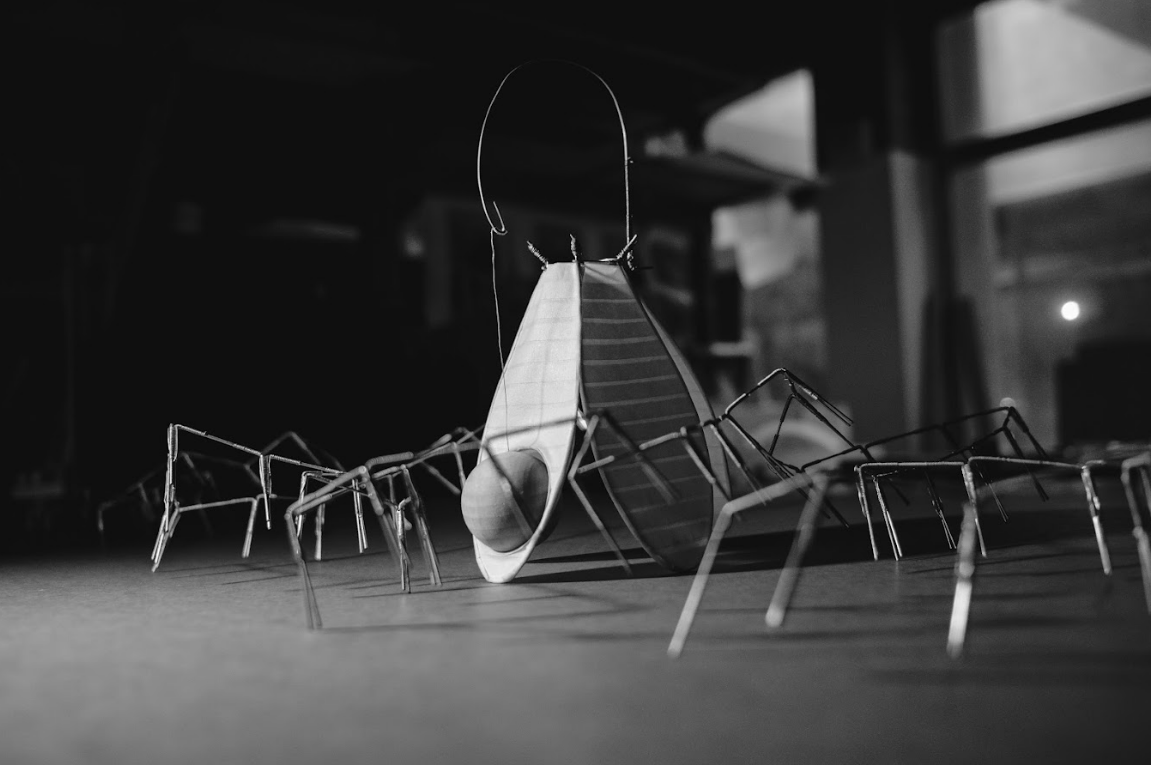
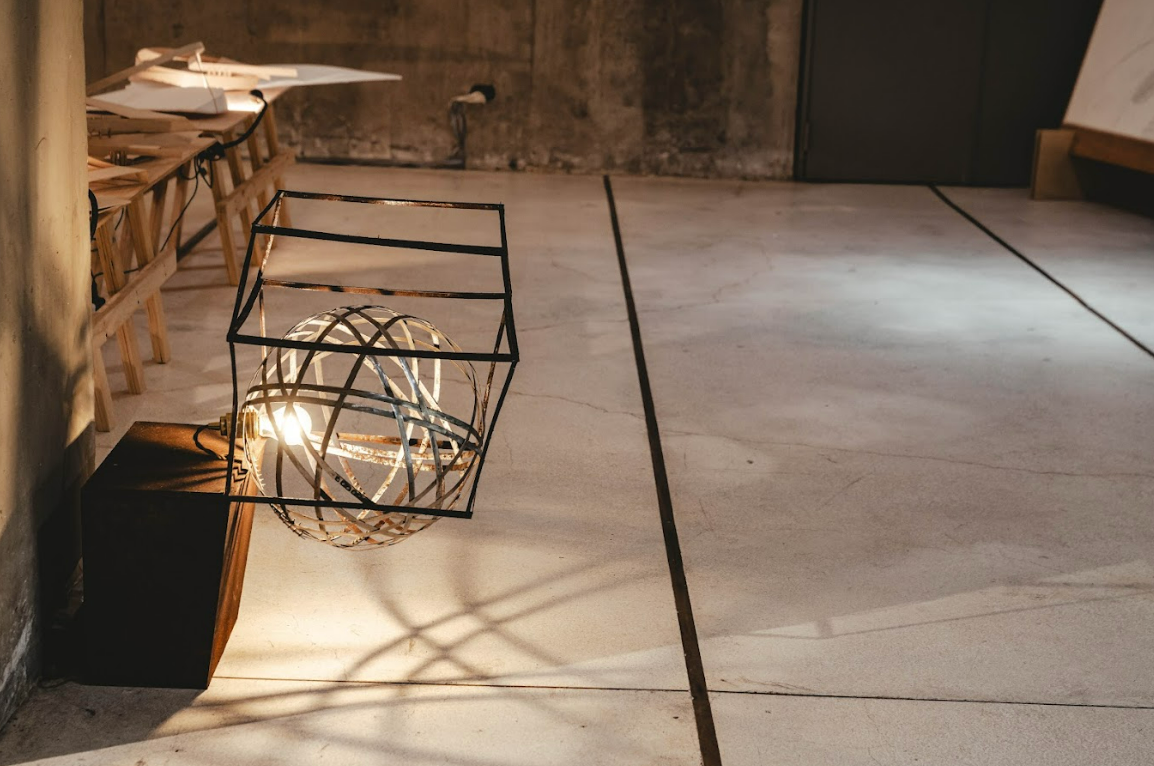
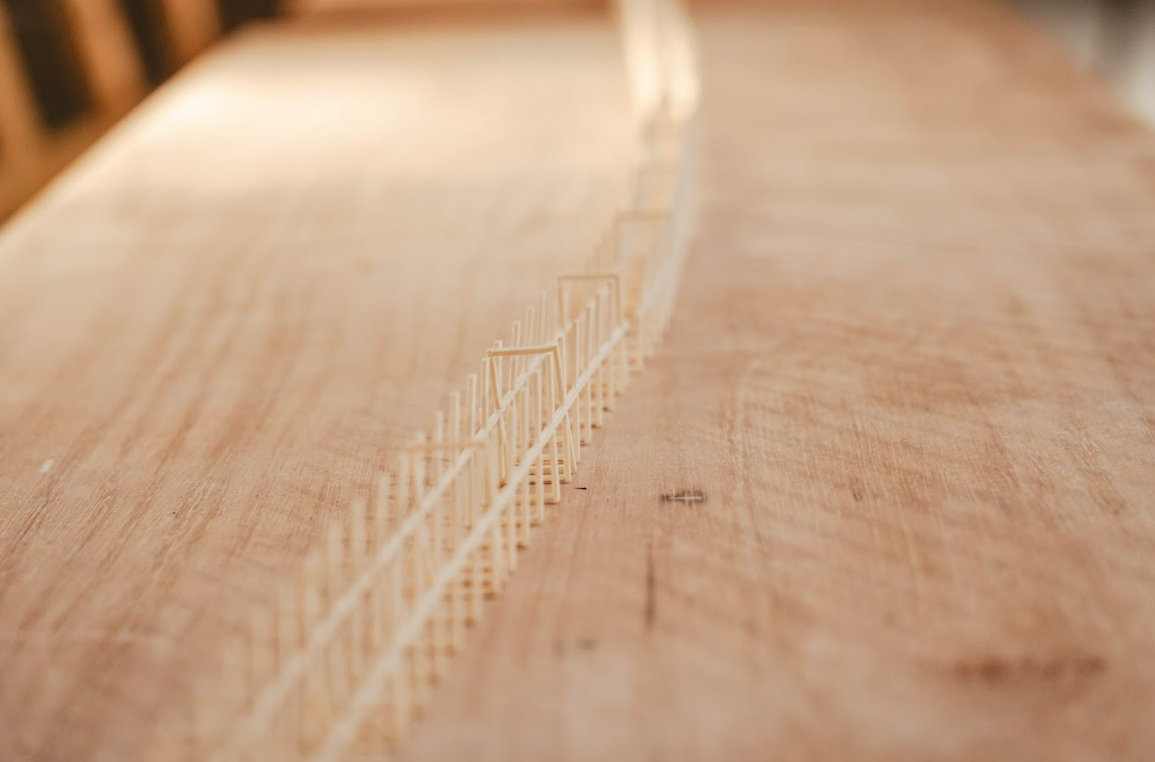
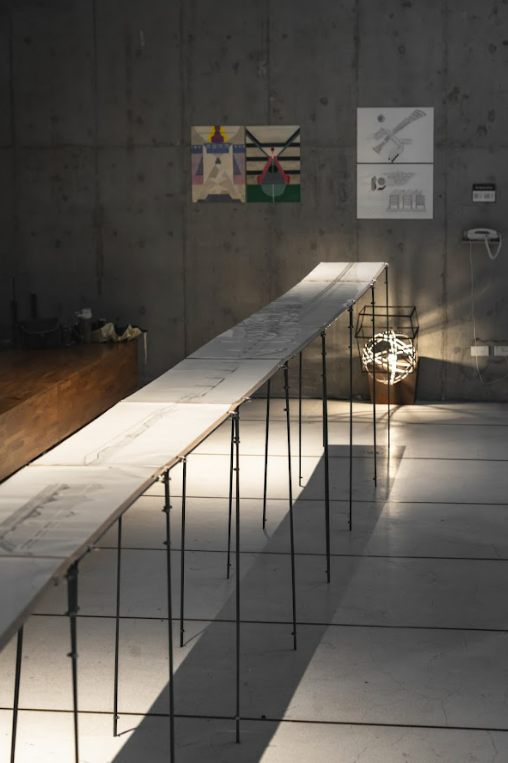
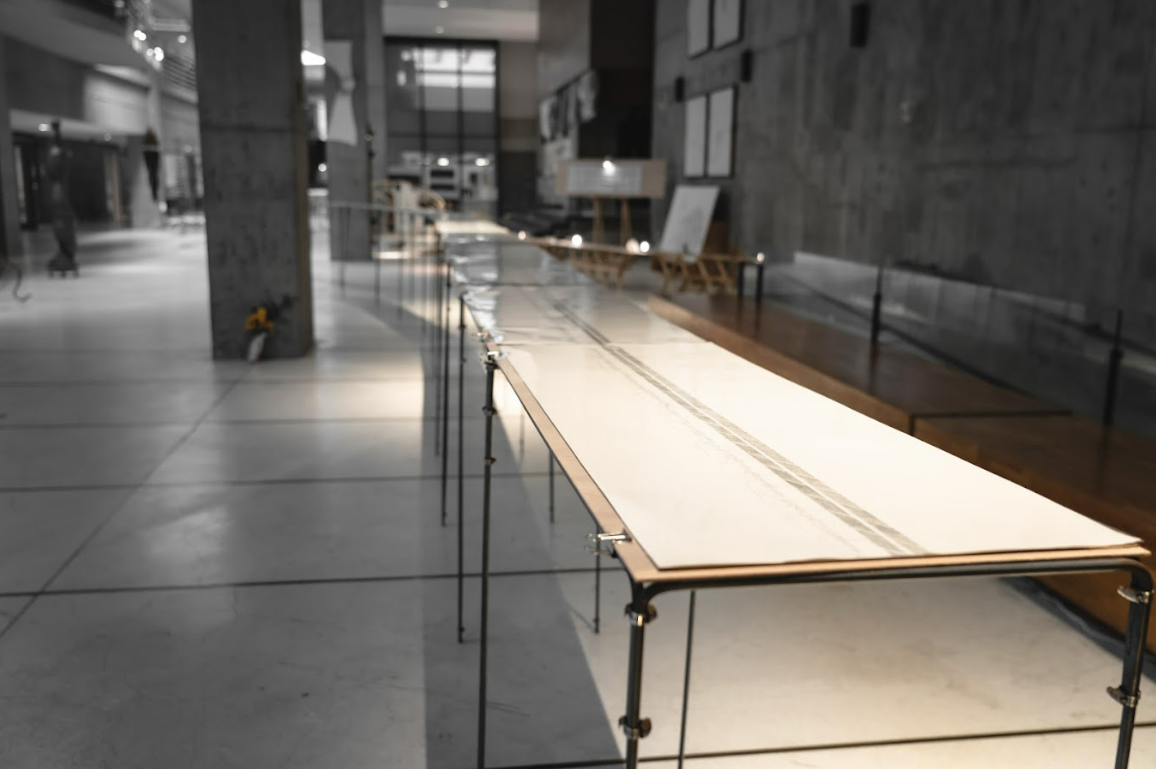
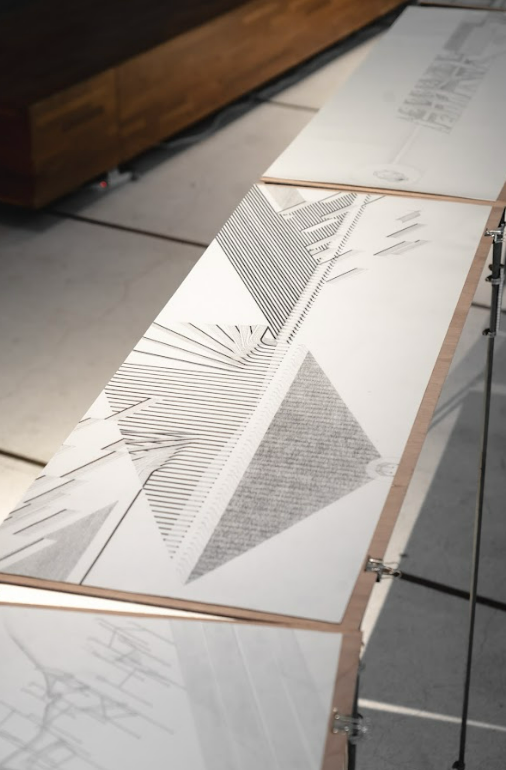
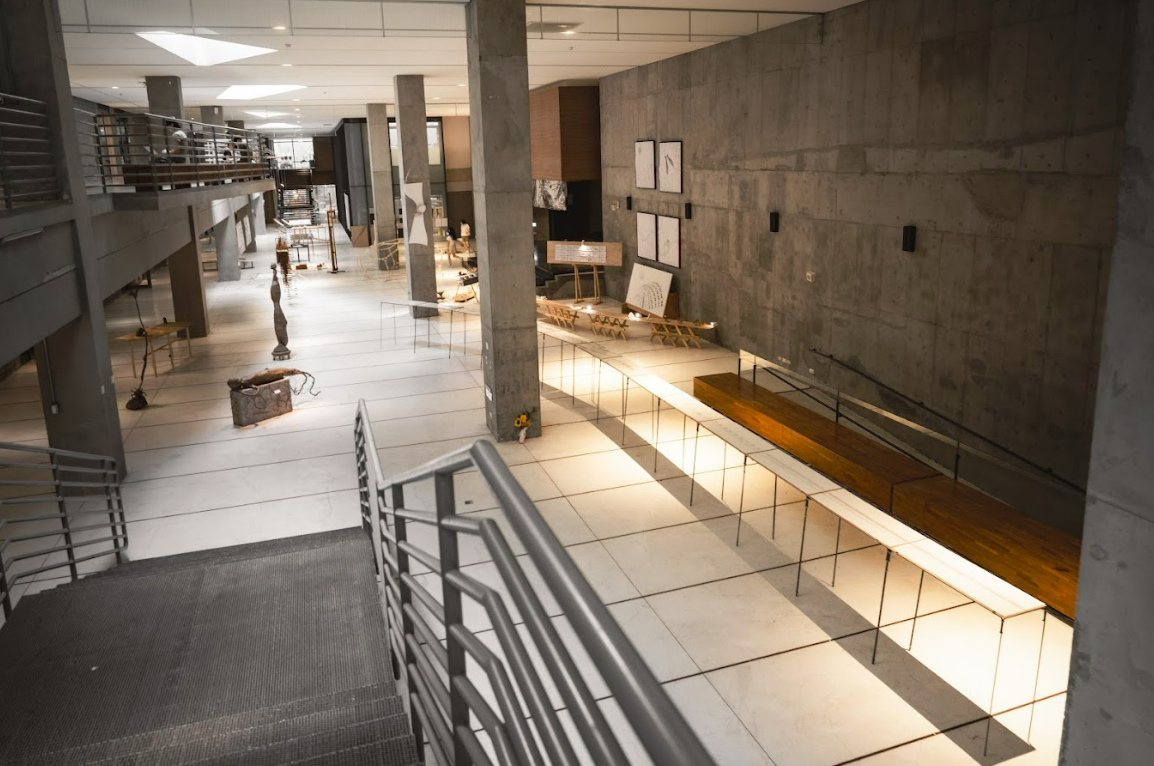
一種邊界的建築,一場建築的稗官野史,它不一定要是新竹,但它一定要是風城,重新去談那些被遺忘的體質不符的場所,它在城市的縫隙中,藏在熱鬧的隔壁,夜市旁的停車場、快速道路旁的蚊子館、市場裡不再動的電扶梯,都是風不再吹拂的地方
,經歷一場在同時存在於現實與夢境的經驗,藉由空間的殘留,延展、破壞、重複,保留能勾起回憶輪廓的同時進行敘事。
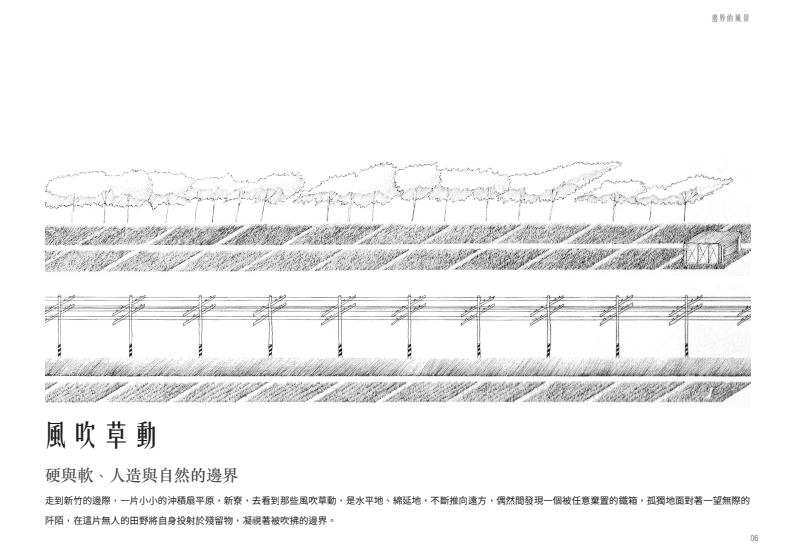
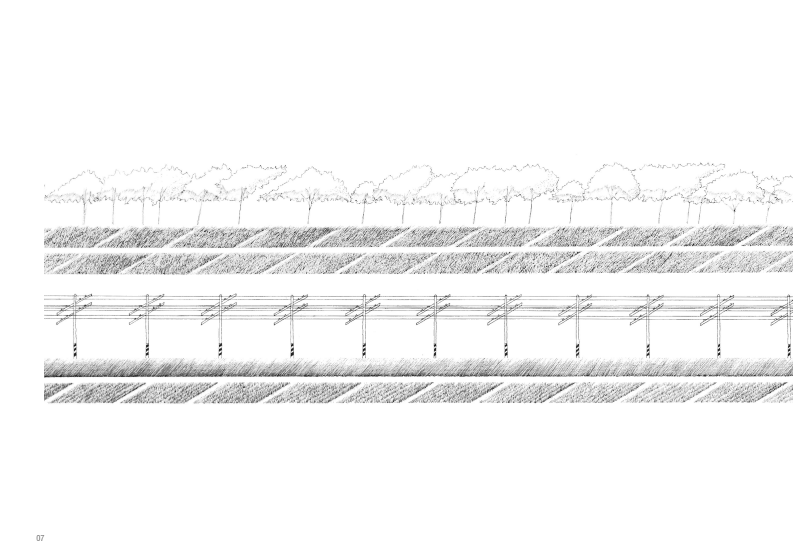
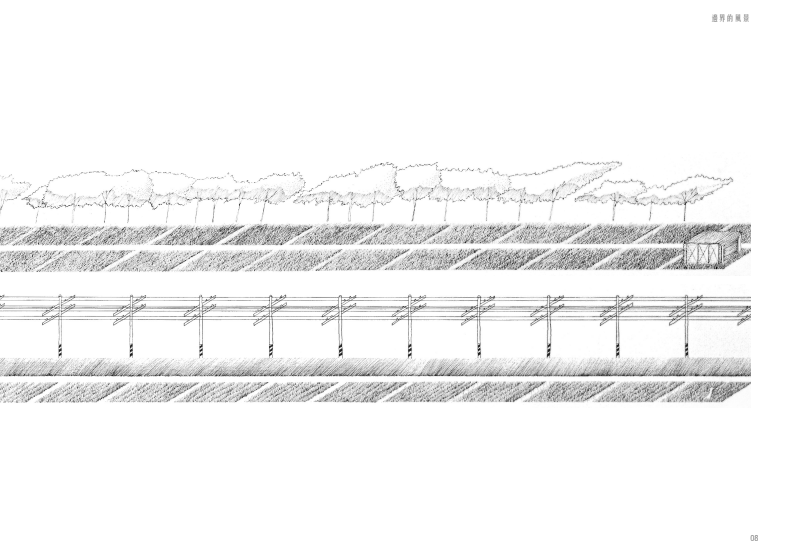
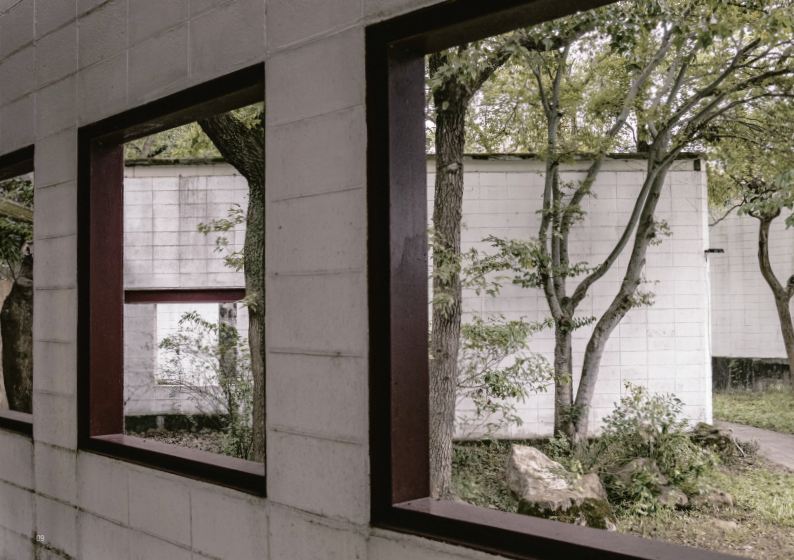
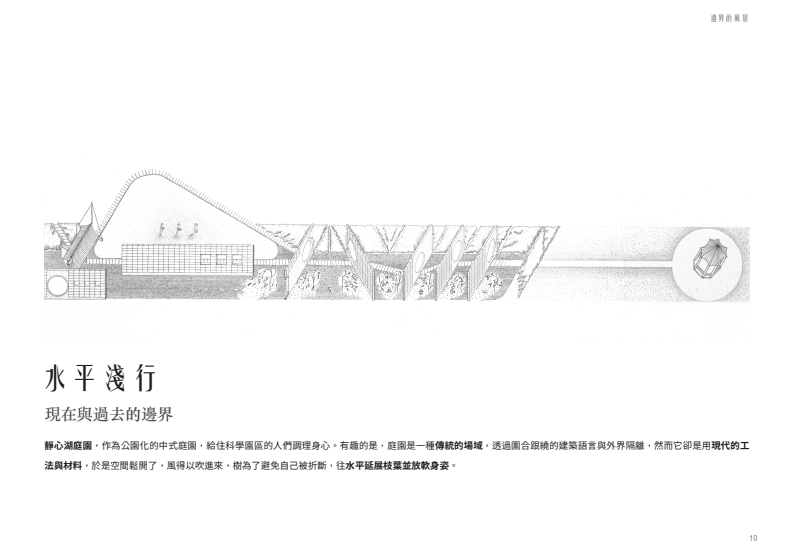
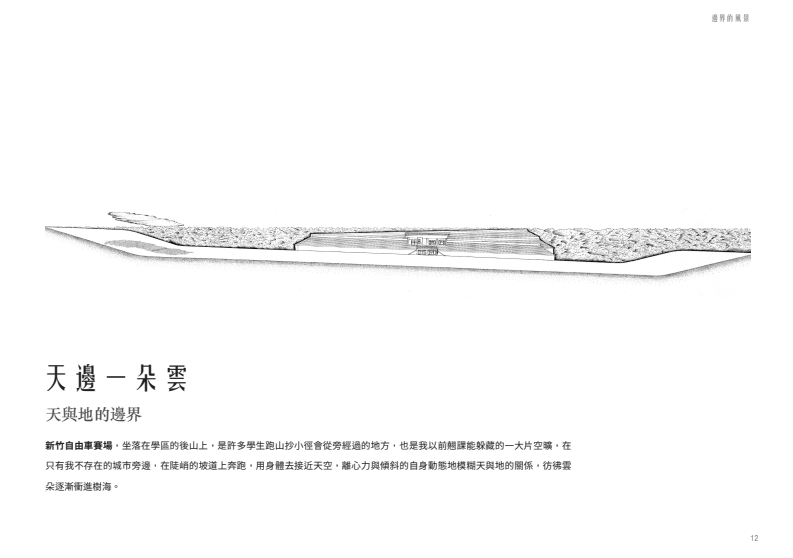
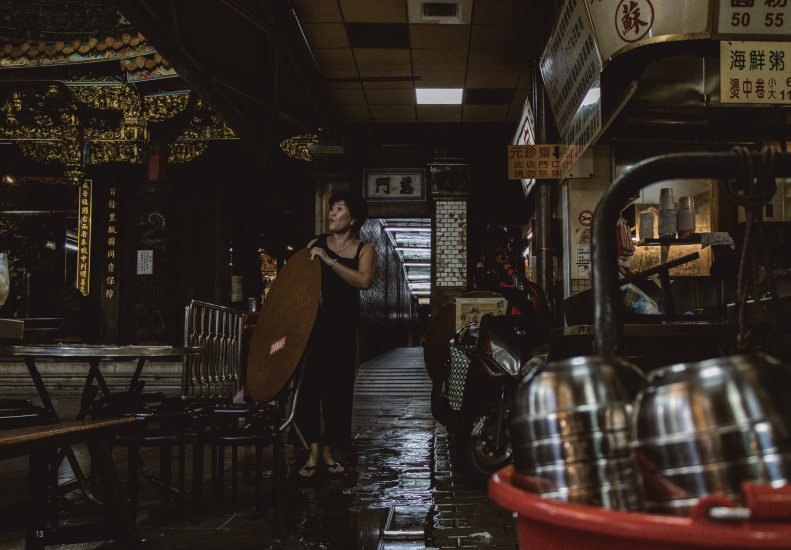
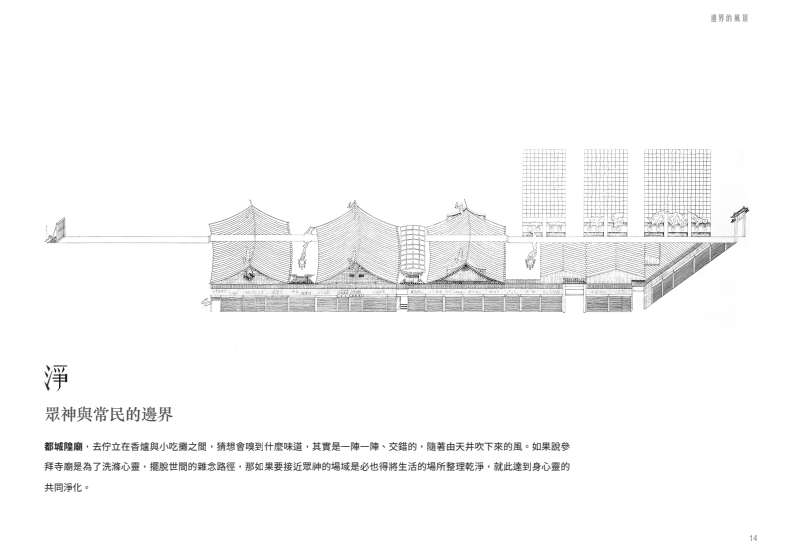
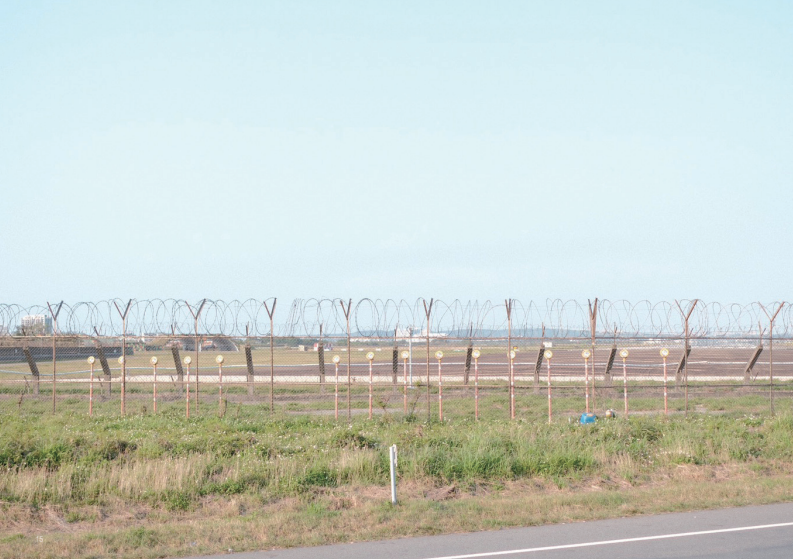
這些無風處的存留是因為我們忘記了與風與城的關係,所以後面描繪,試著走到新竹的邊緣,像是千甲與新寮,找尋風城的邊界,看著草地與樹木的晃動不斷推向更遠的地方,能感受到的風是水平且不斷延展。透過邊界上的風景劃破現實中城市的邊界,讓個人的感情滲入人為與自然間、流動與靜止間、現在與過去間、眾神與常民間、天與地之間…並呼喚歷史與環境的關係。
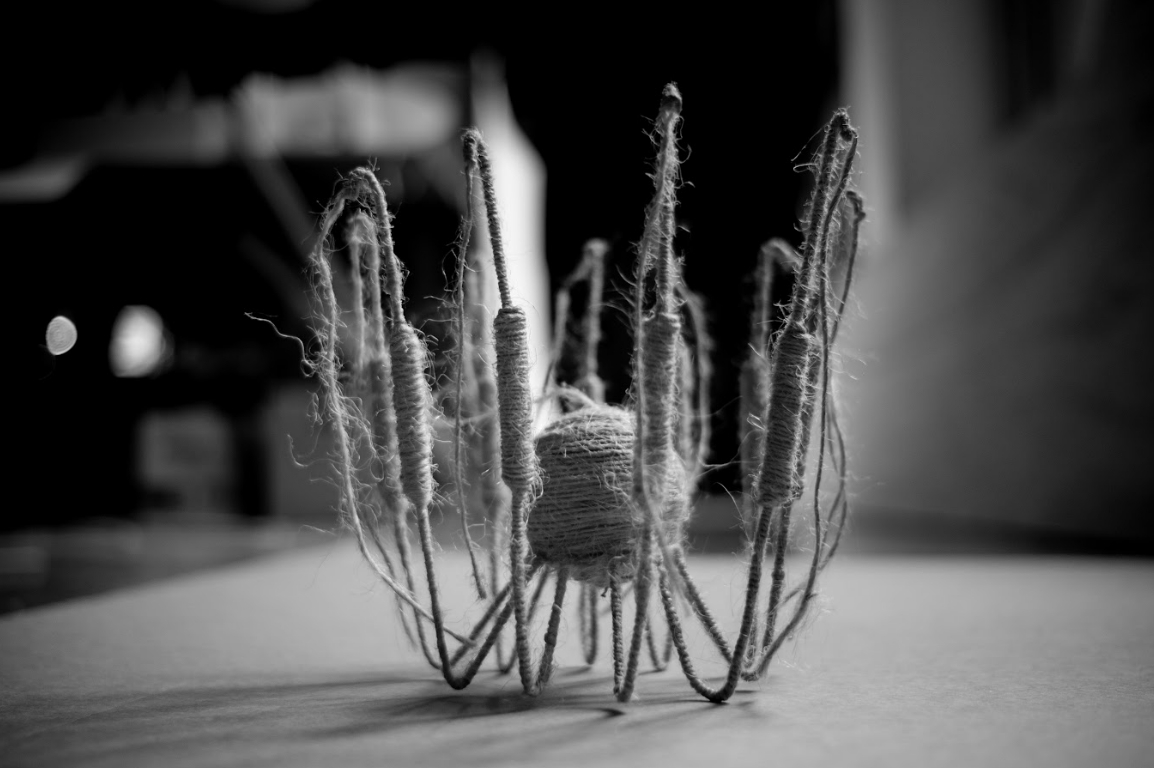
風城,是對環境有著情感上的別稱,是悠久與短暫的邊界,一個在傾覆間流變與擺盪的主體,如何輕輕地觸地蹬起,在穩定與不穩定間維持自身,永恆地處在自然與人為流變的狀態。
–
Wind City Anecdotes
This is a boundary architecture—an unofficial chronicle of the city—not necessarily about Hsinchu, but unmistakably about the Wind City. It reflects on forgotten, misfitting spaces: a parking lot beside a bustling night market, an empty “mosquito hall” by the highway, or a broken escalator in a silent market. These are places where the wind no longer blows—spaces lost between attention and neglect.
The project invites a simultaneous experience of reality and dream, using fragments of space to extend, fracture, and repeat memory. Through this process, it narrates stories while preserving the contours of collective recollection.
These windless remnants exist because we’ve forgotten the city’s intimate relationship with the wind. I walk to Hsinchu’s outer edges—Qianjia, Xinliao—where trees and grass sway in endless horizontal motion, tracing the boundaries of the Wind City through shifting landscapes. Here, personal emotions merge into the thresholds between human and nature, movement and stillness, past and present, gods and ordinary people, sky and earth—calling forth a renewed sense of history and environment.
“Wind City” is an affectionate name, evoking a place suspended between permanence and transience—a subject in constant flux, swaying between collapse and rebirth. How might one touch the ground lightly, push upward, and find balance between stability and instability—forever dwelling in the flow between nature and the man-made?